



Berlin Energy Days 2023
Secret energy data of public properties Expert dialog on energy monitoring in public buildings
Date: May 22, 2023
Time: 10:00 – 11:30 a.m.
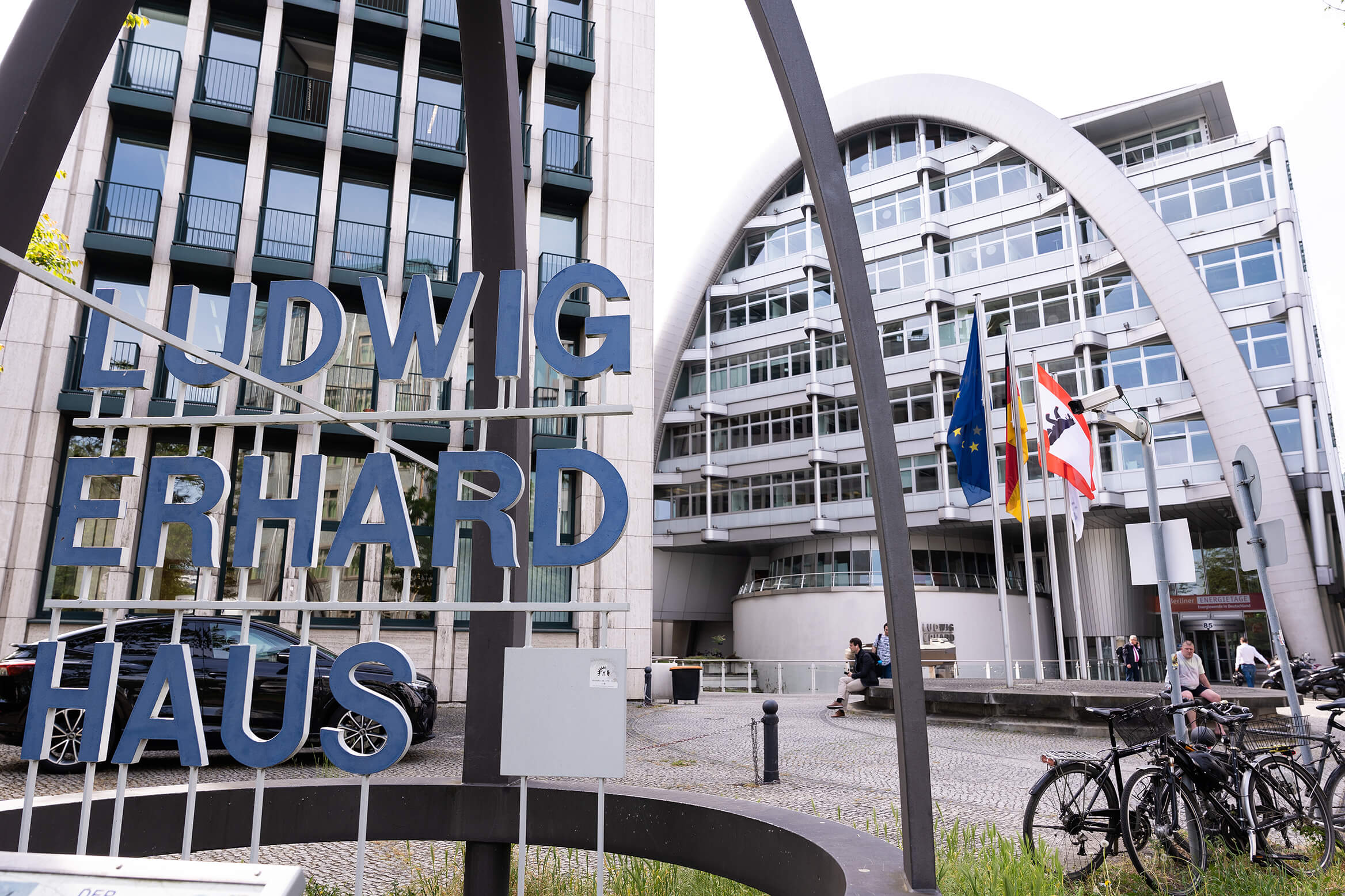
Location: Ludwig Erhard Haus, Fasanenstraße 85, 10623 Berlin-Charlottenburg
Program: Specialist dialog
Contact person: Oliver Ritter
Secret energy data of public properties | Overcoming legal and practical hurdles in energy monitoring!
Event documentation
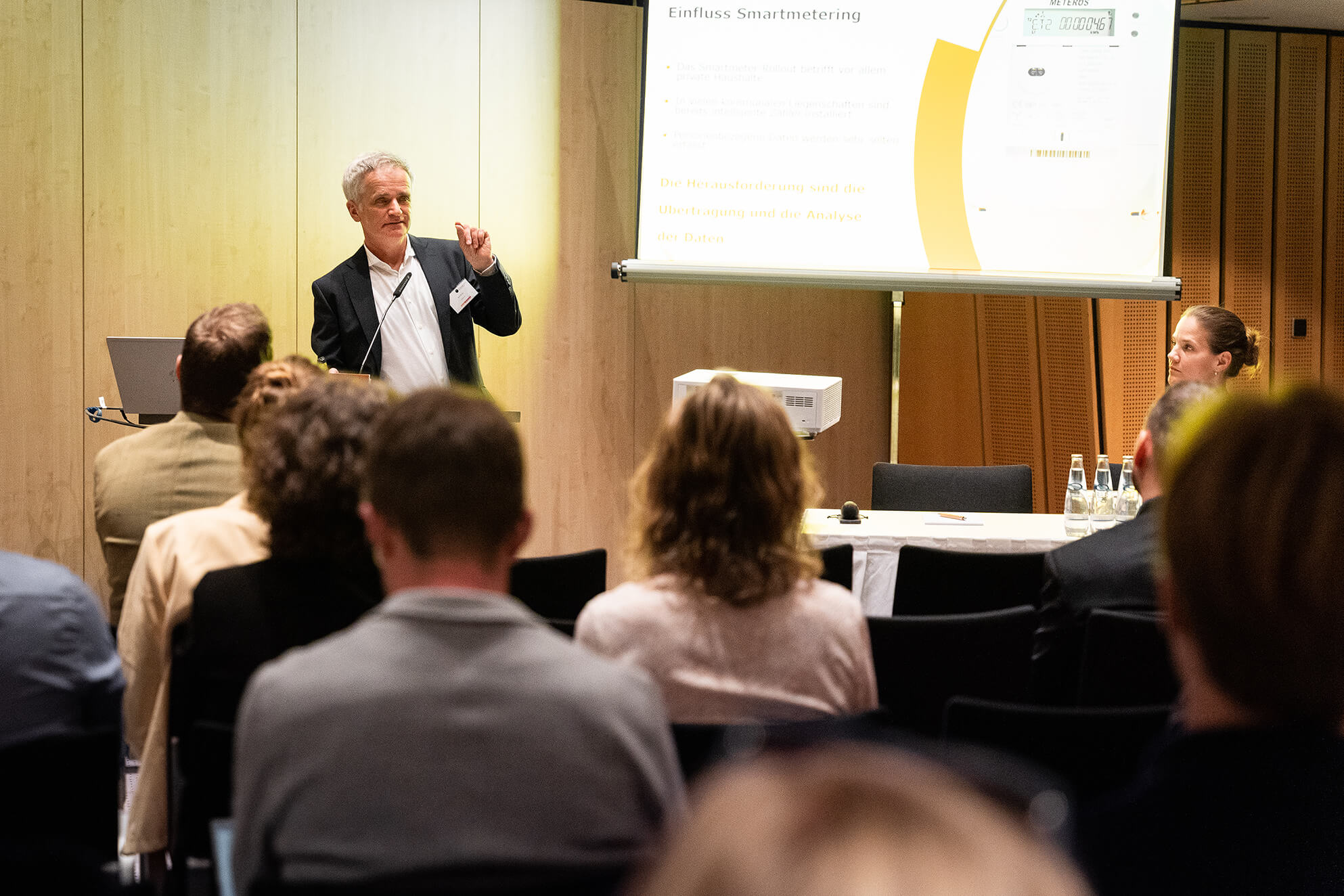
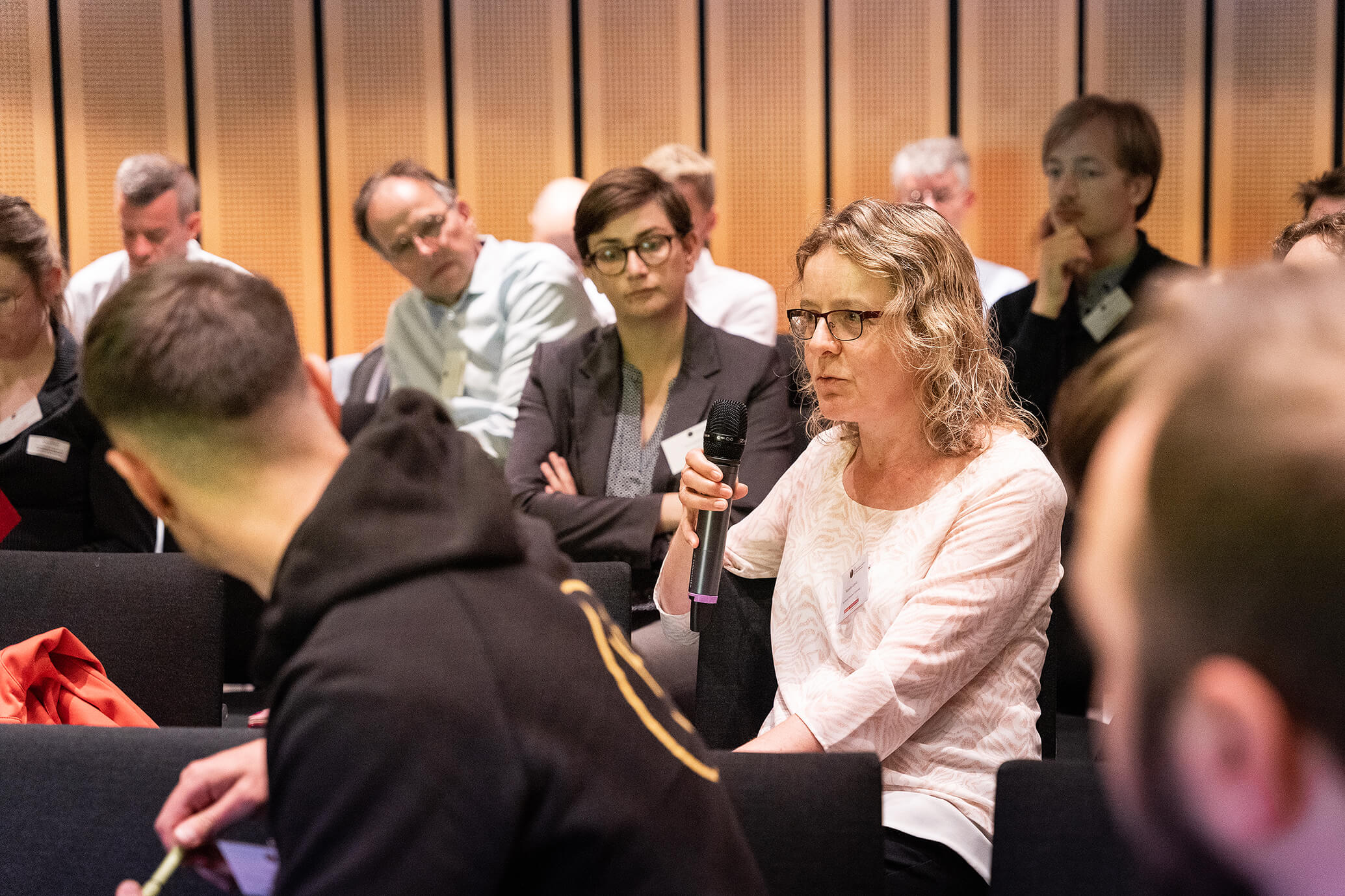
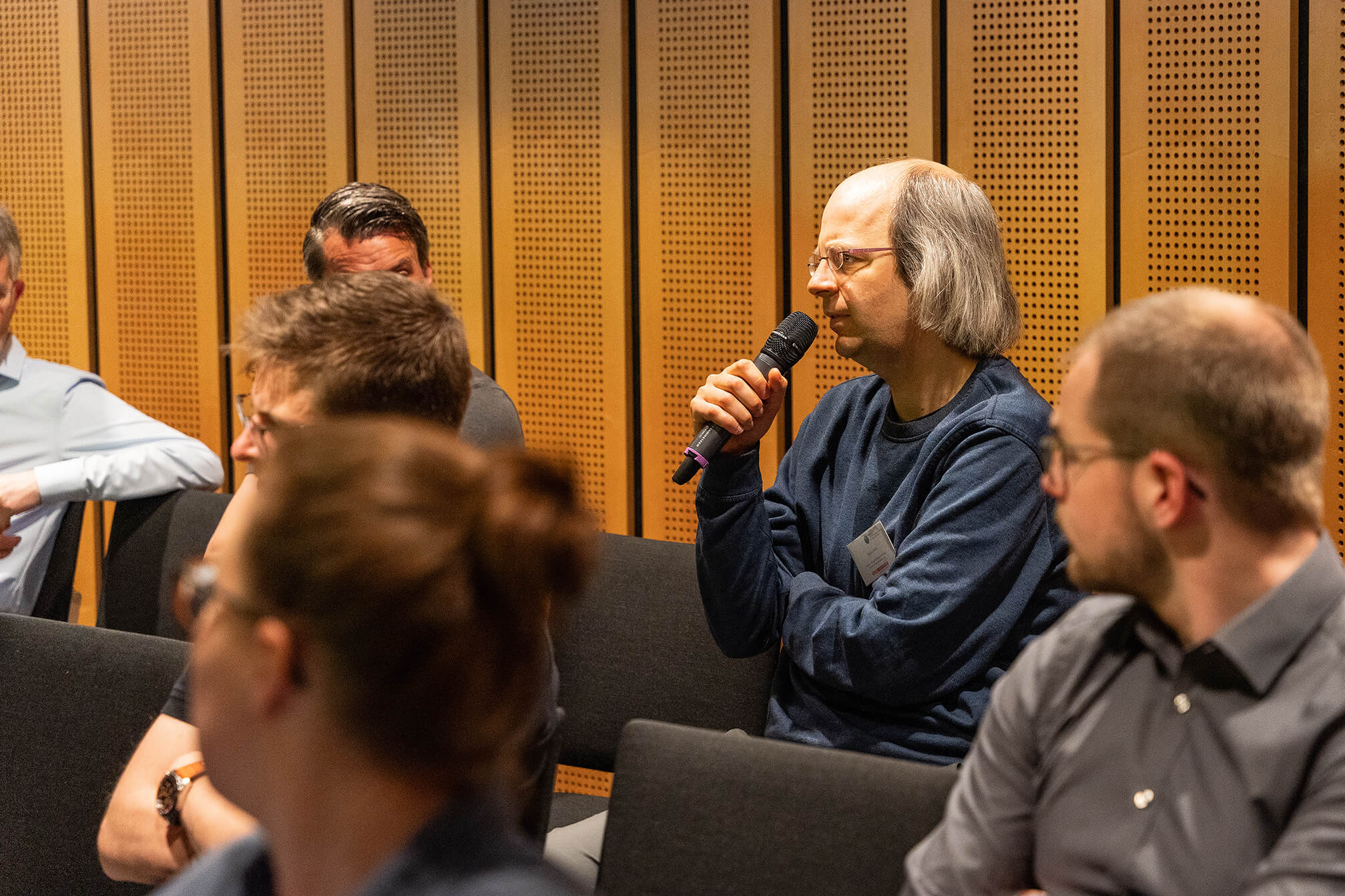
As part of the expert dialogue “Use of smart meters in public properties”, it was discussed how energy consumption data (including procurement & supply from PV) from public properties (e.g. schools) can be made publicly available for the purpose of raising awareness among building users, but also for more effective energy monitoring.
Background
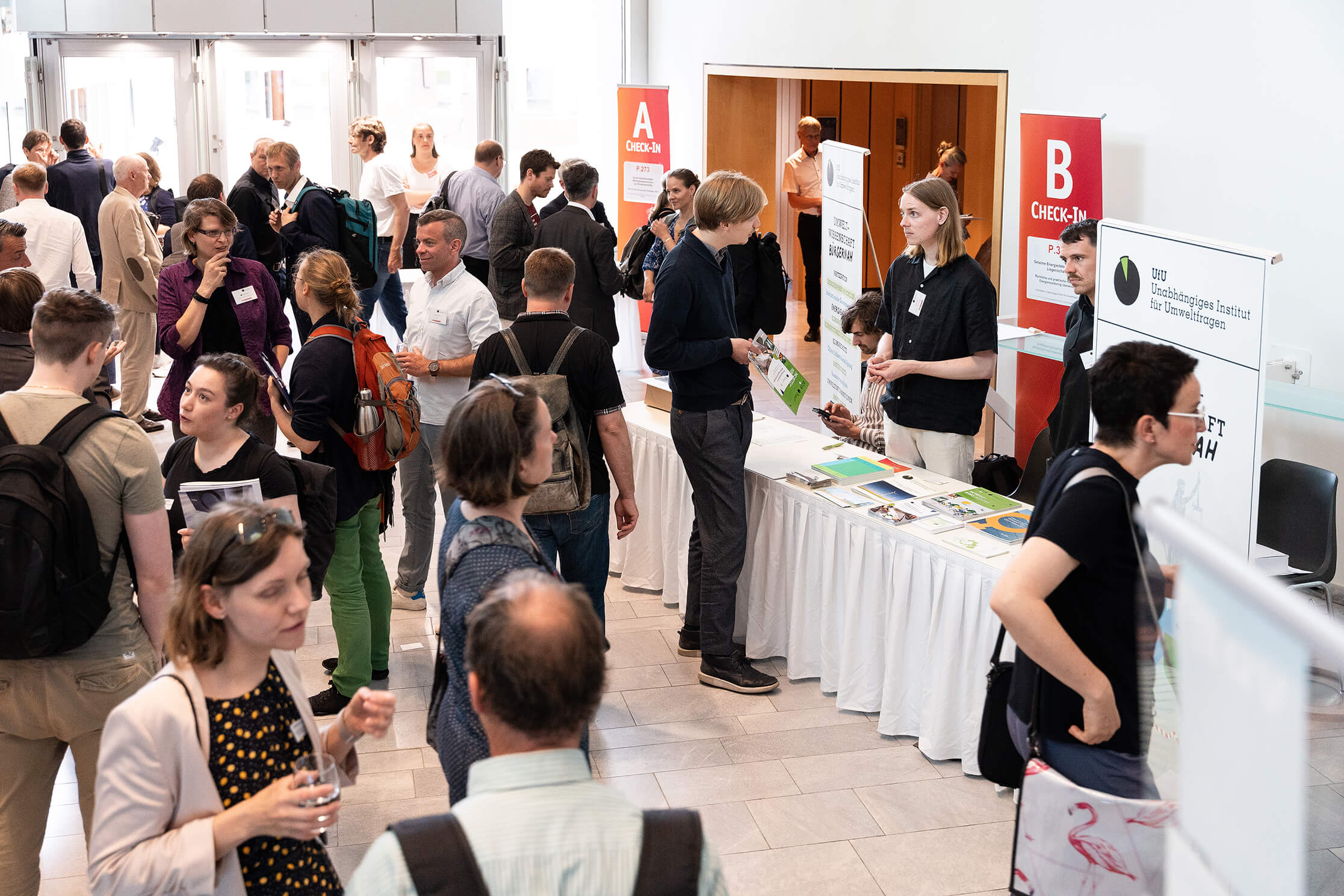
Data on the energy consumption of public facilities must be disclosed as standard. The public sector even wants to take on a “role model” role. Unfortunately, it has been extremely difficult to access this data to date. As part of the Berlin Energy Days(https://www.energietage.de/home.html), UfU invited various stakeholders from politics, administration, energy consulting and civil society to an expert dialog on improvement measures for municipal energy monitoring.
The experience gained by UfU during the Smart Energy at Schools project, especially since January 2022, shows that making the energy consumption of public facilities transparently accessible poses major organizational challenges for municipal building operators and municipal energy management. Nevertheless, we want to make the savings potential in the building sector visible in municipalities and schools and show new ways in which this is possible.
Speakers and results
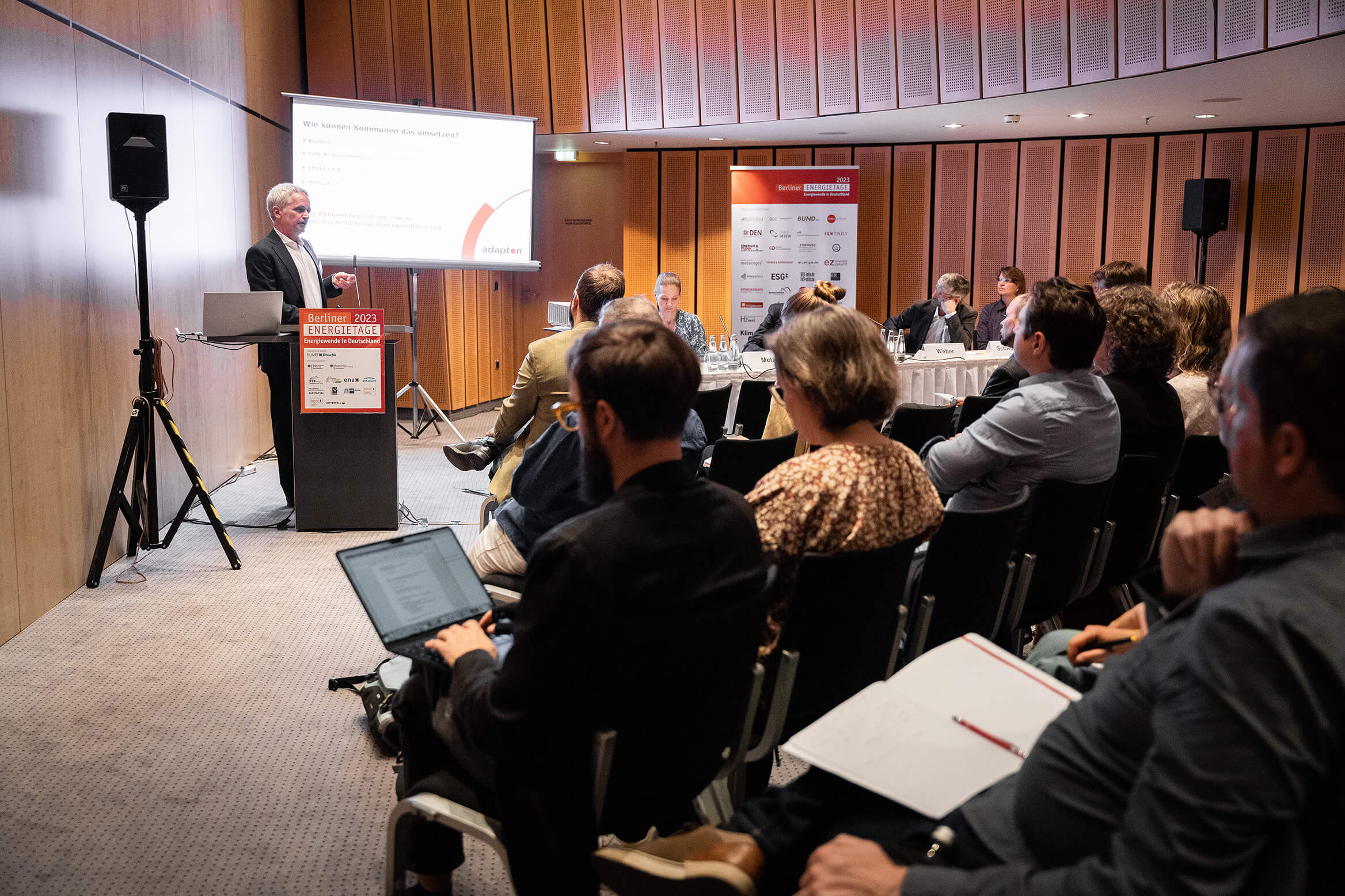
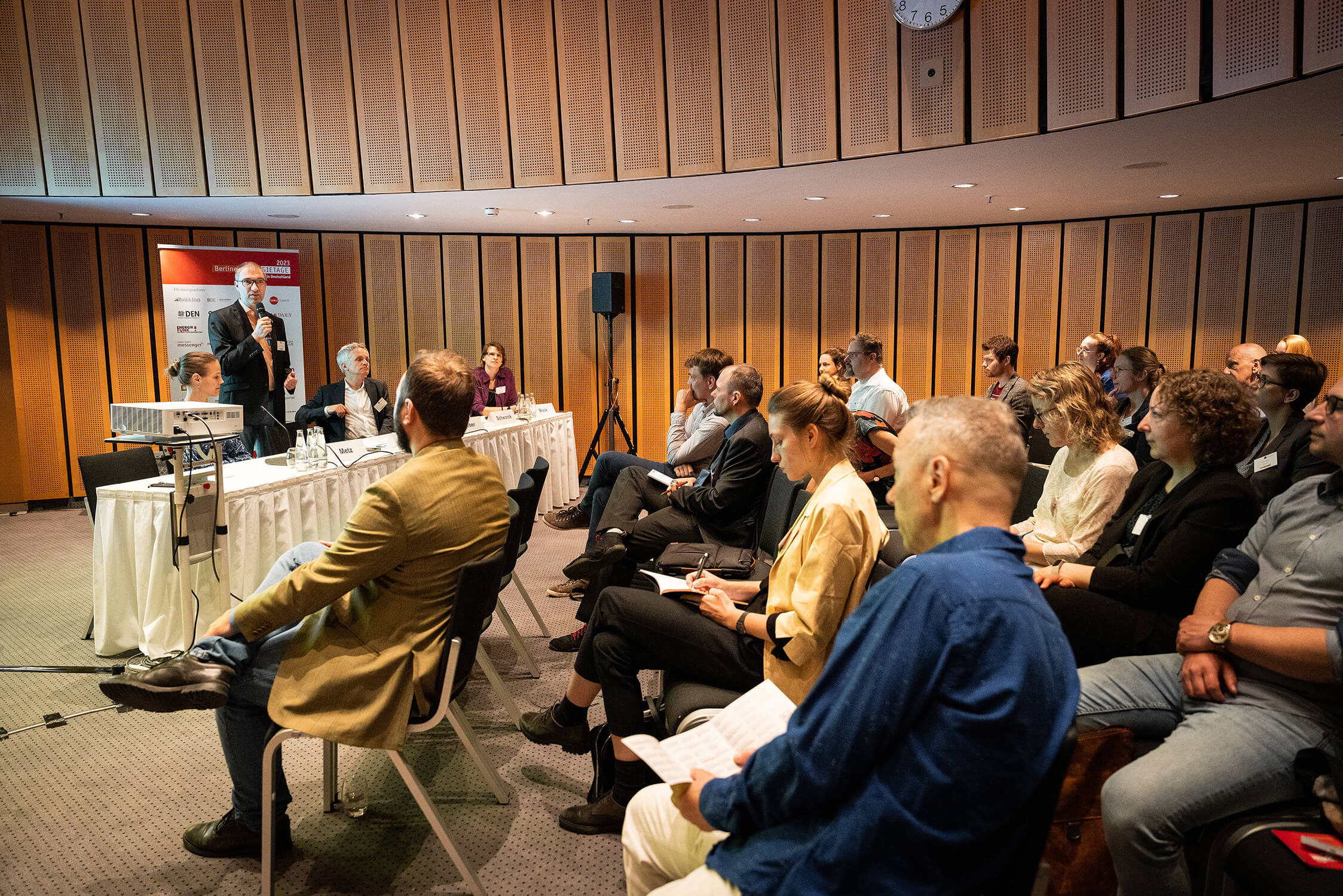
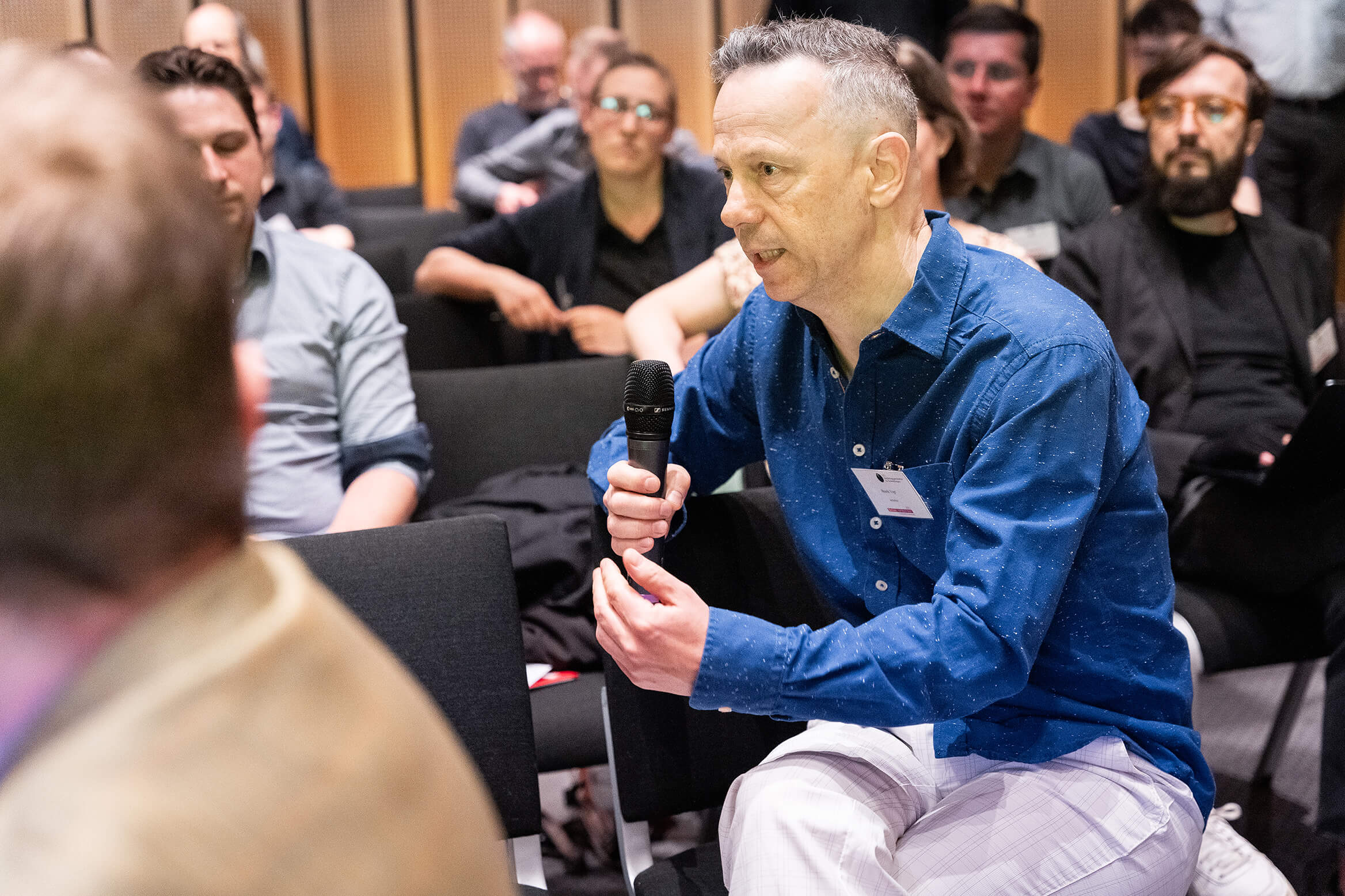
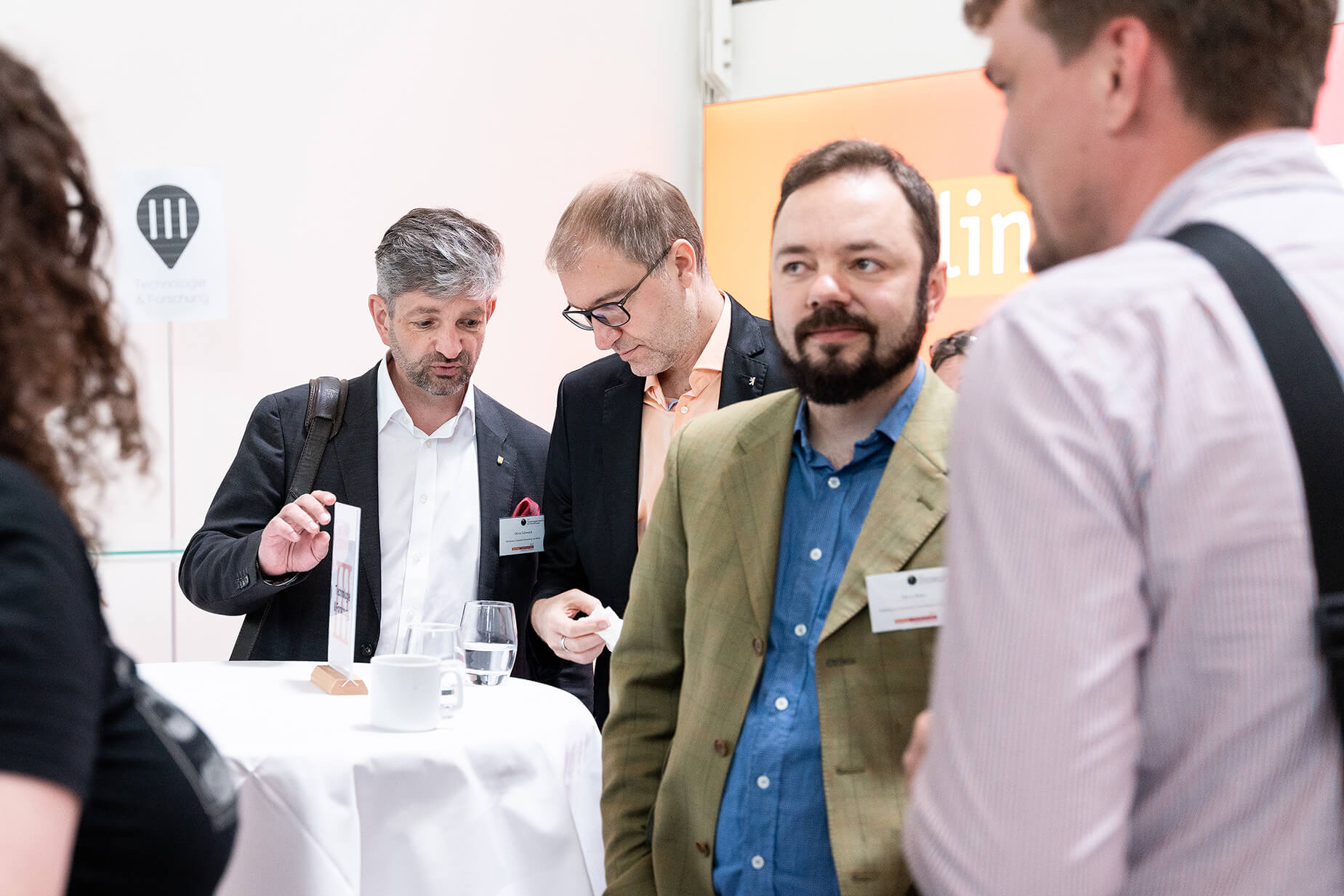
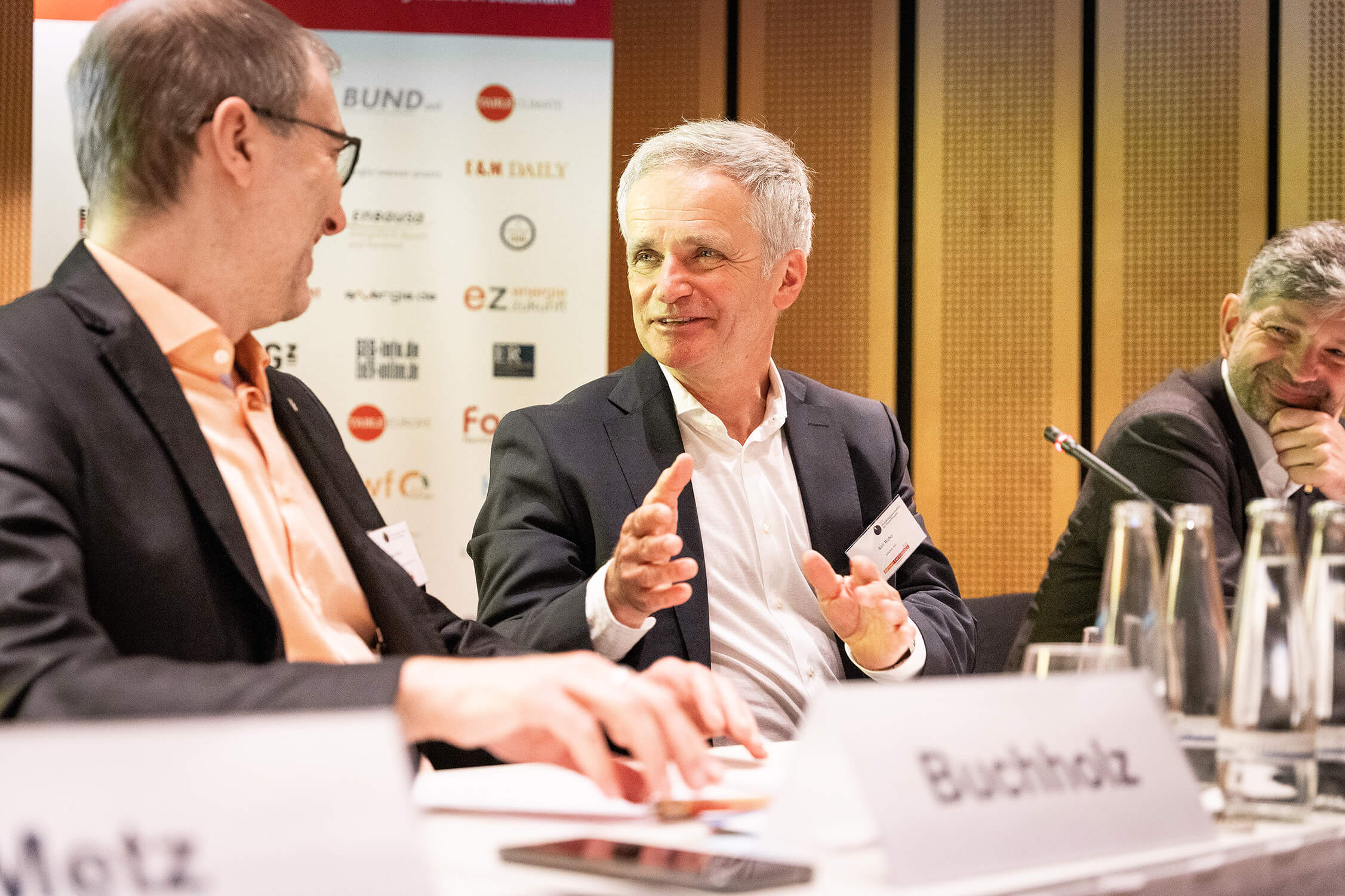
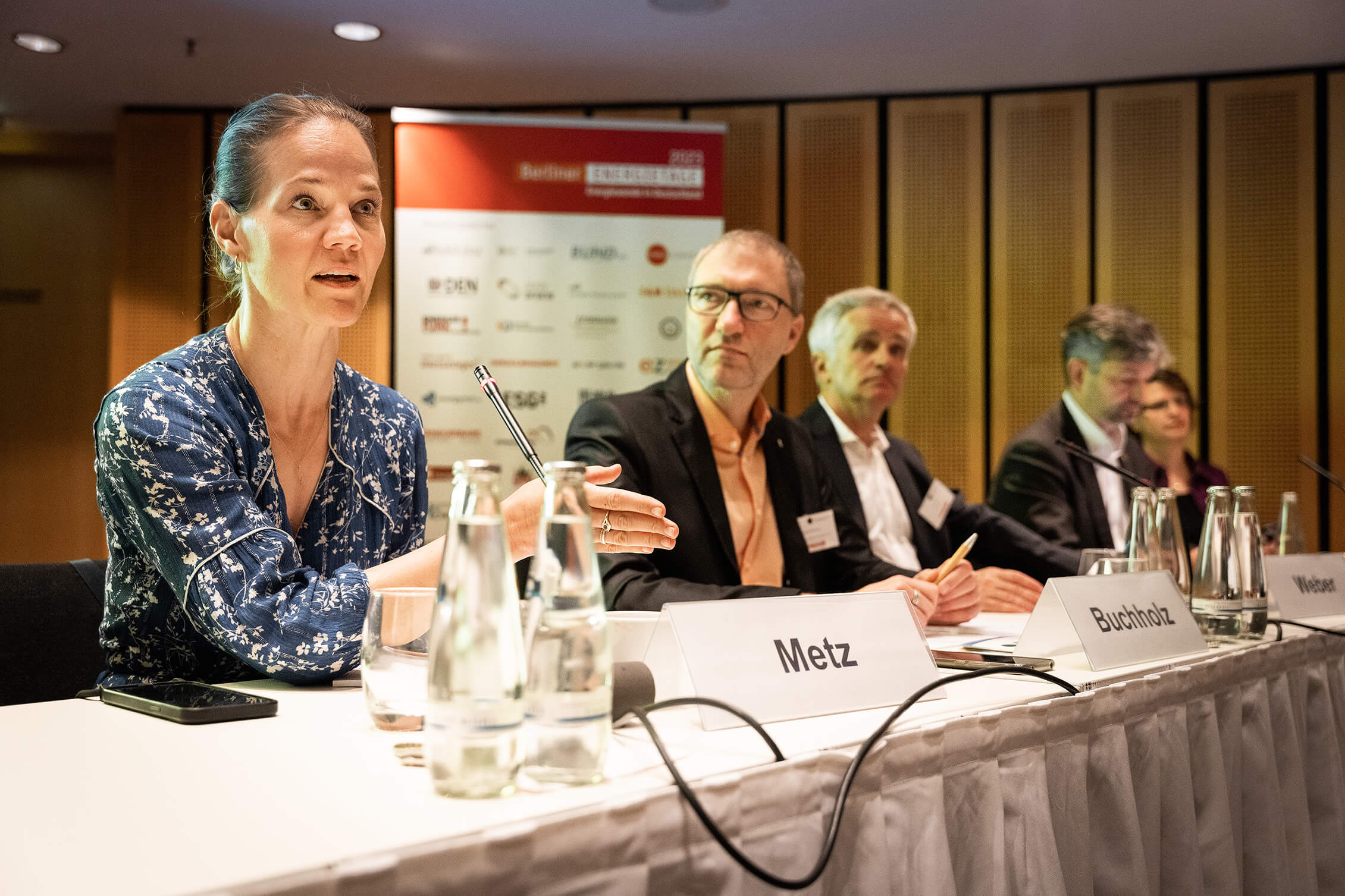
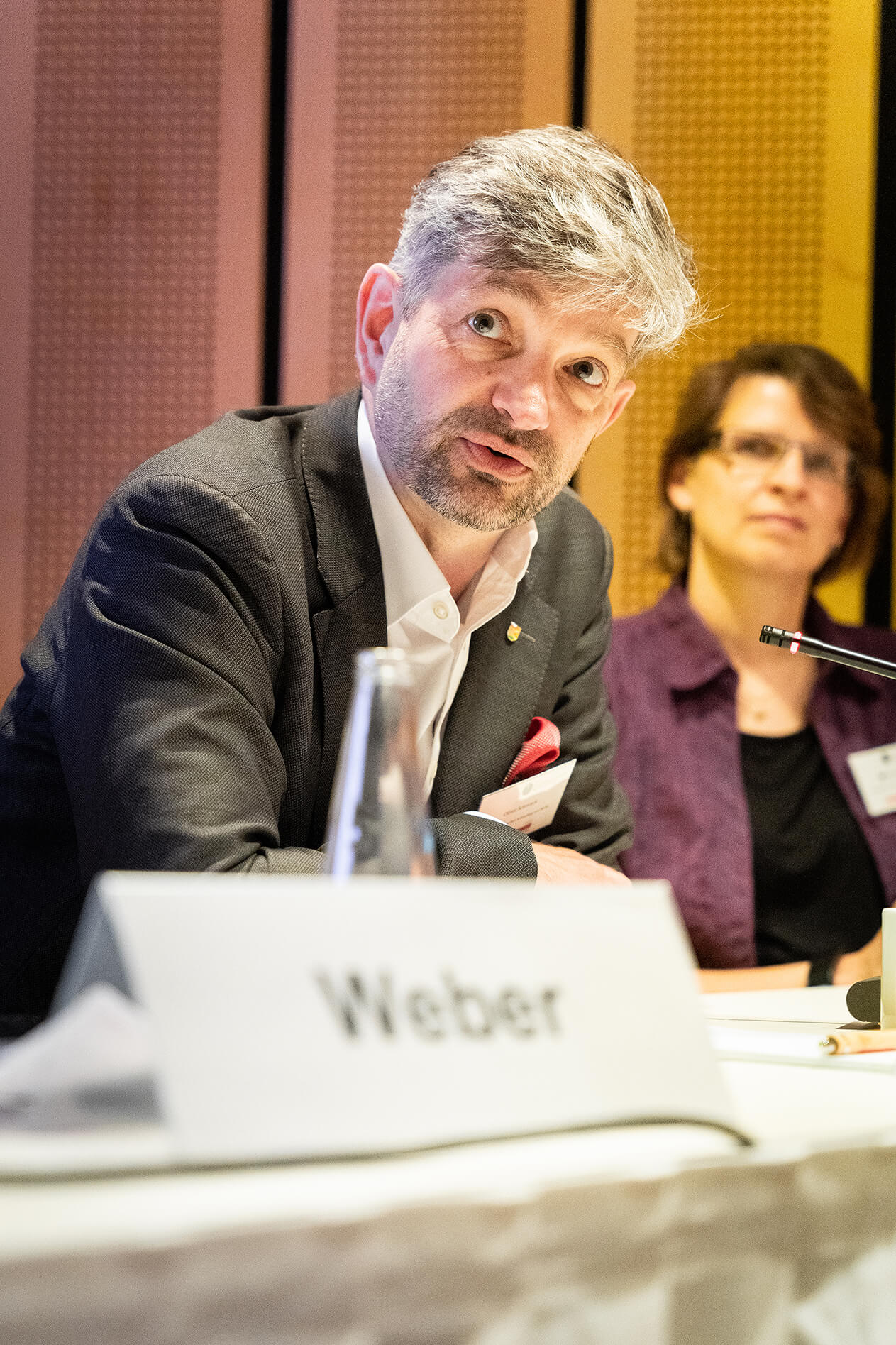
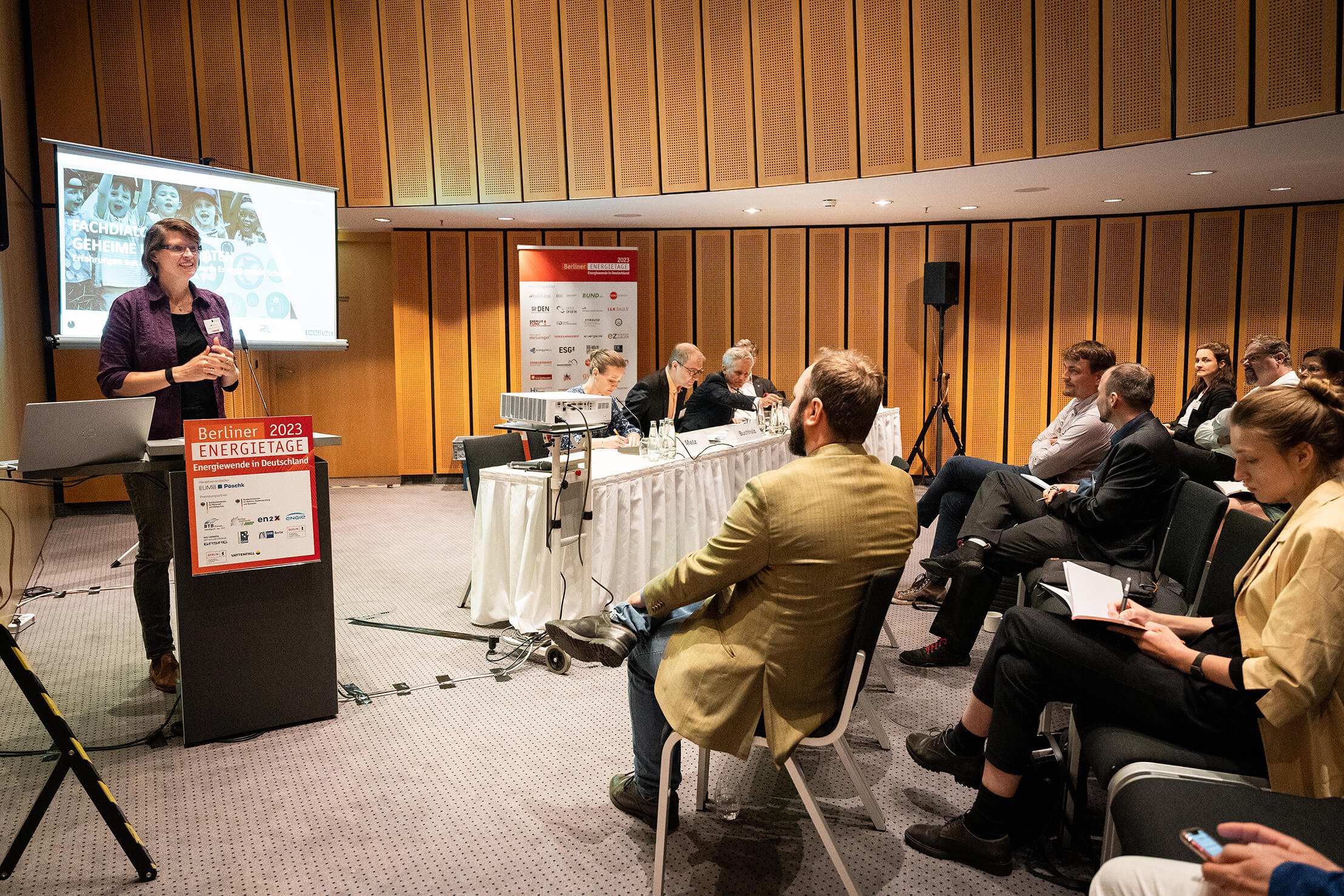
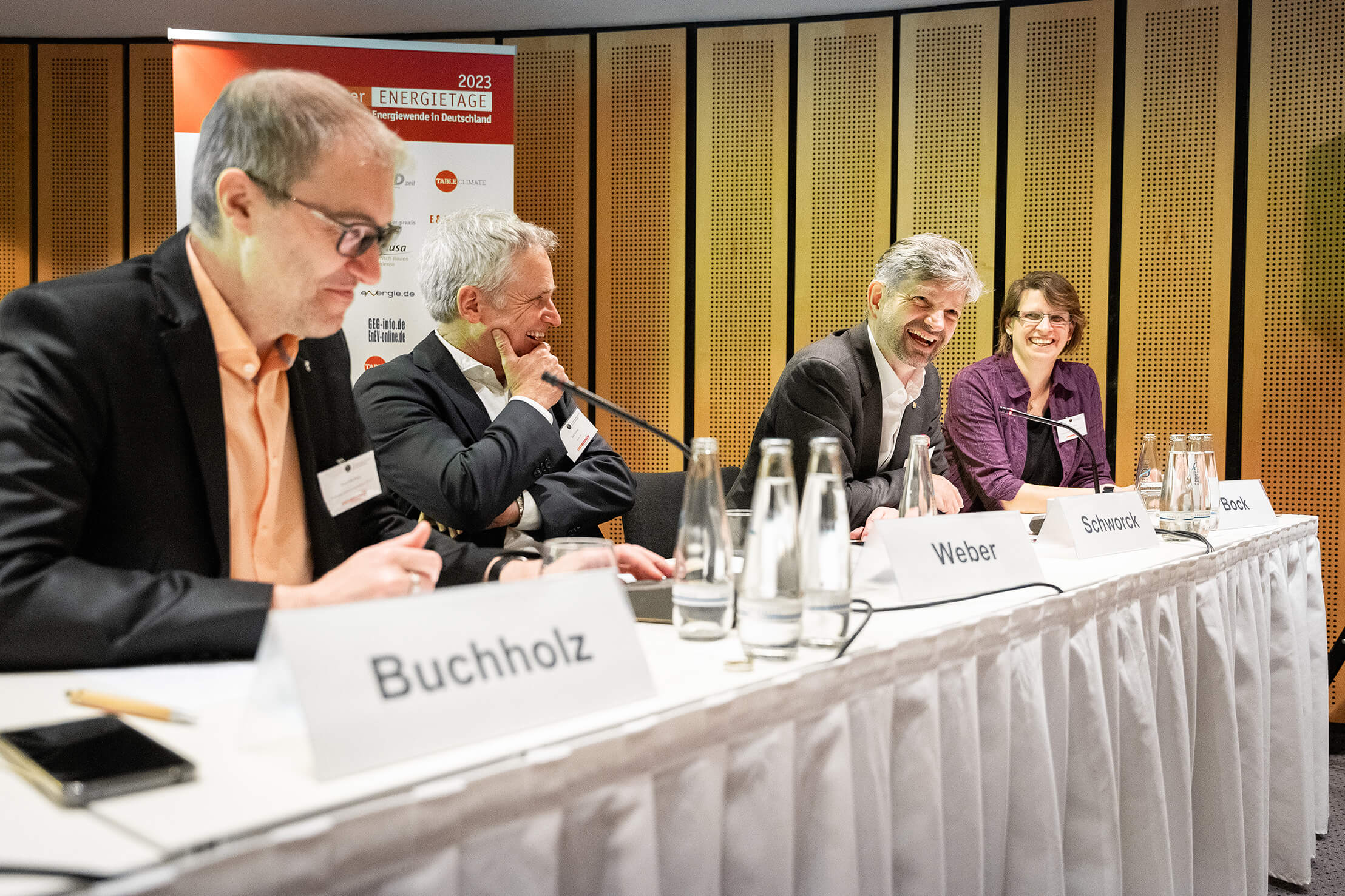
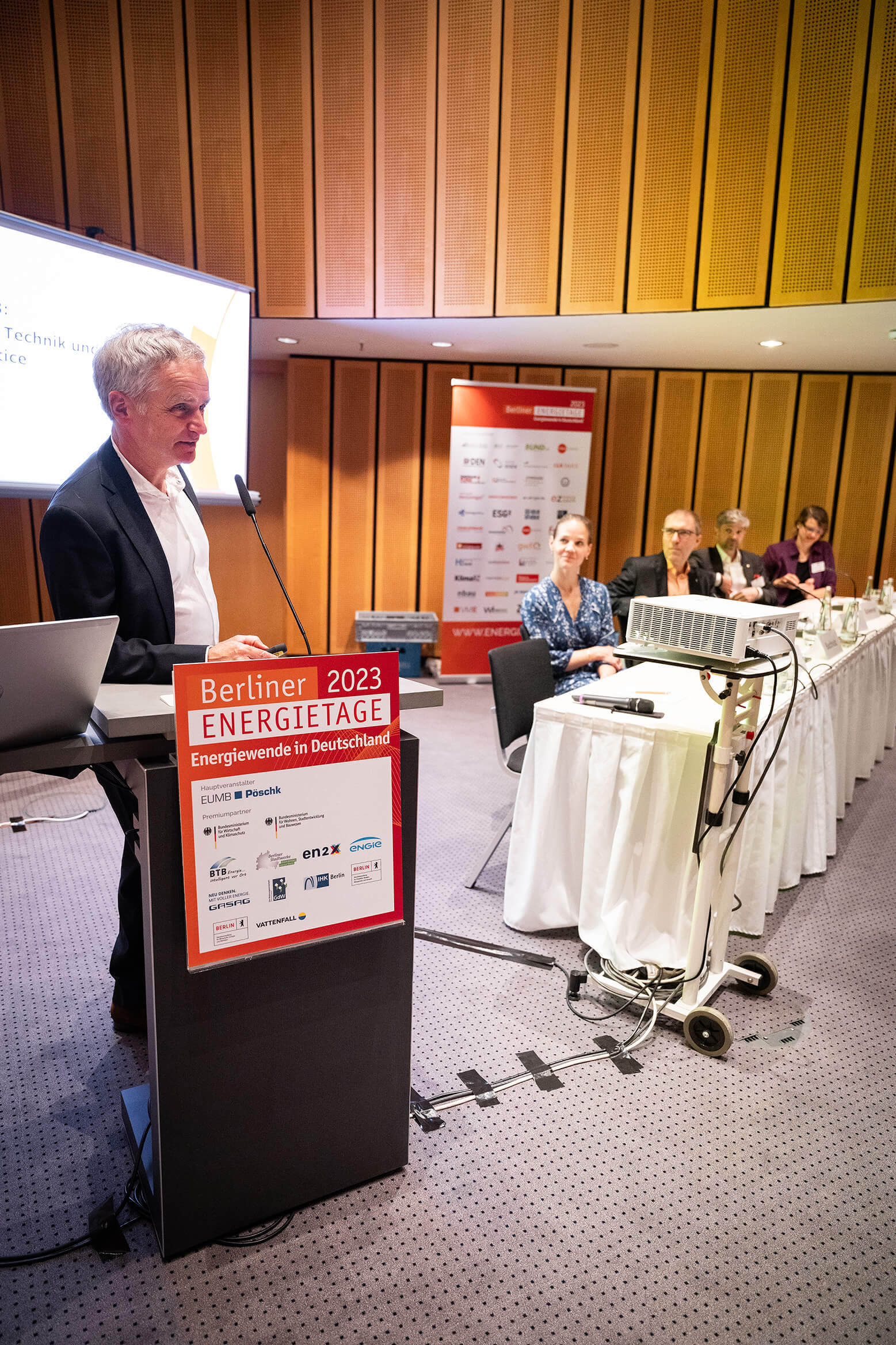
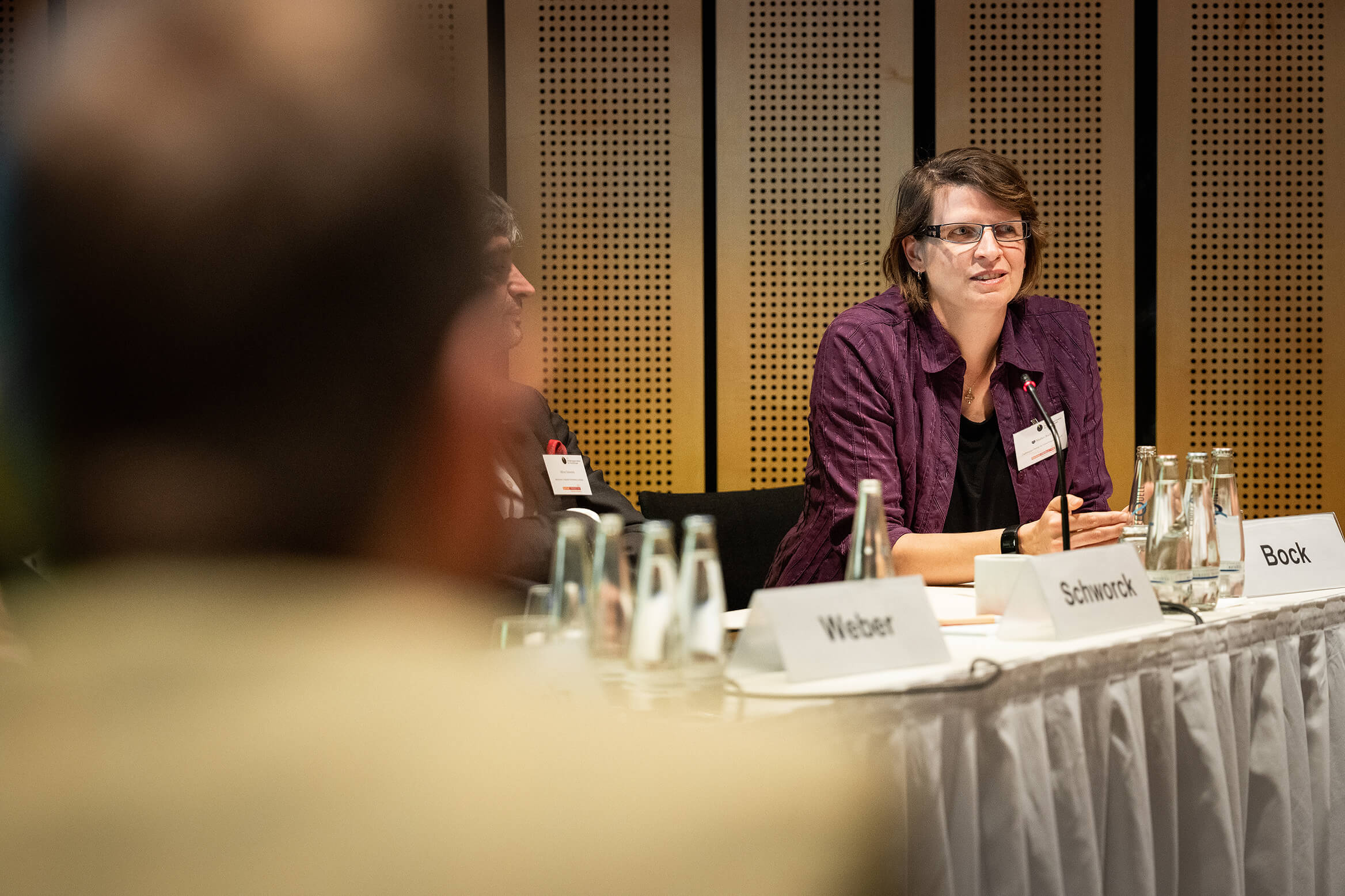
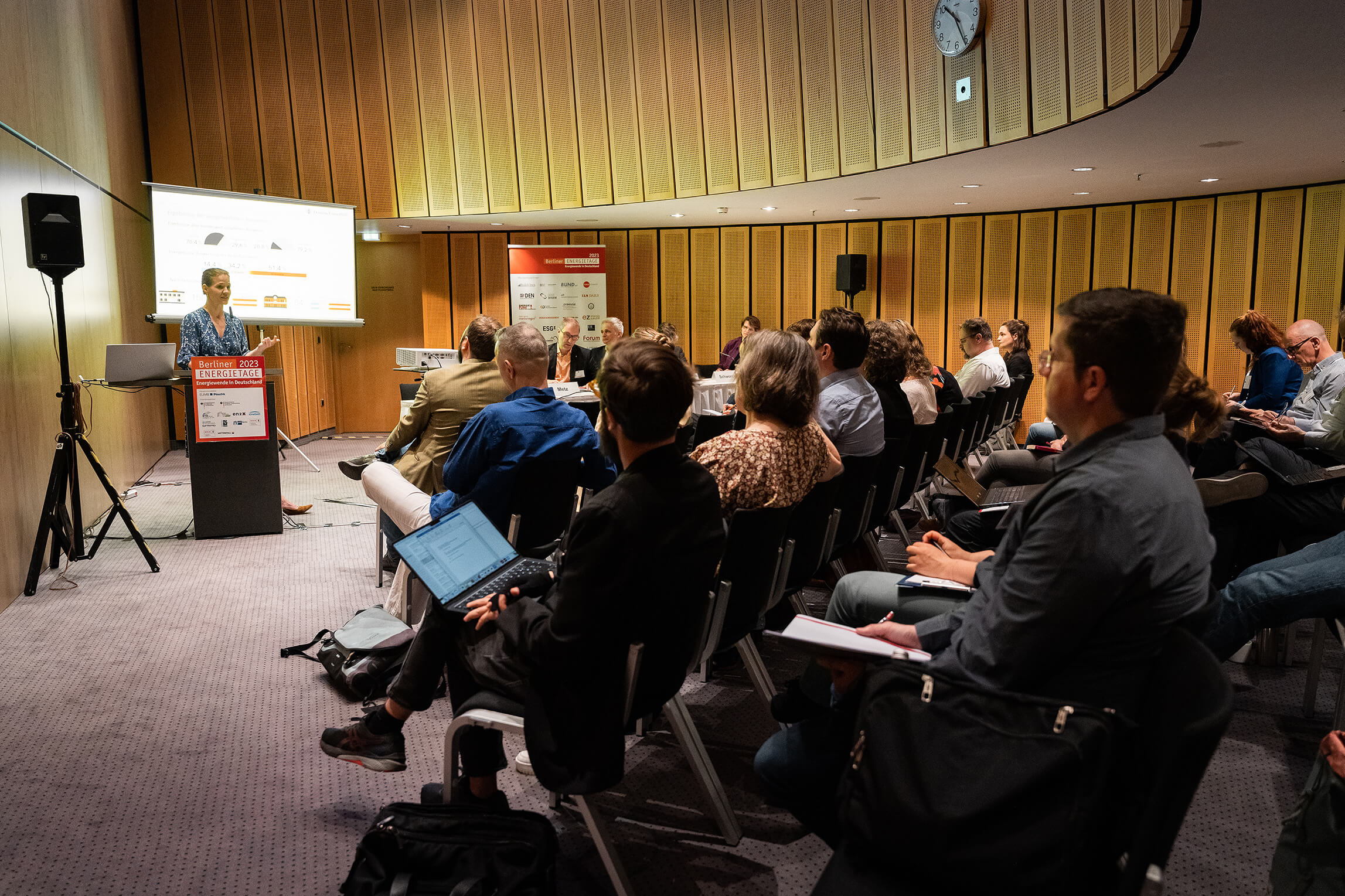
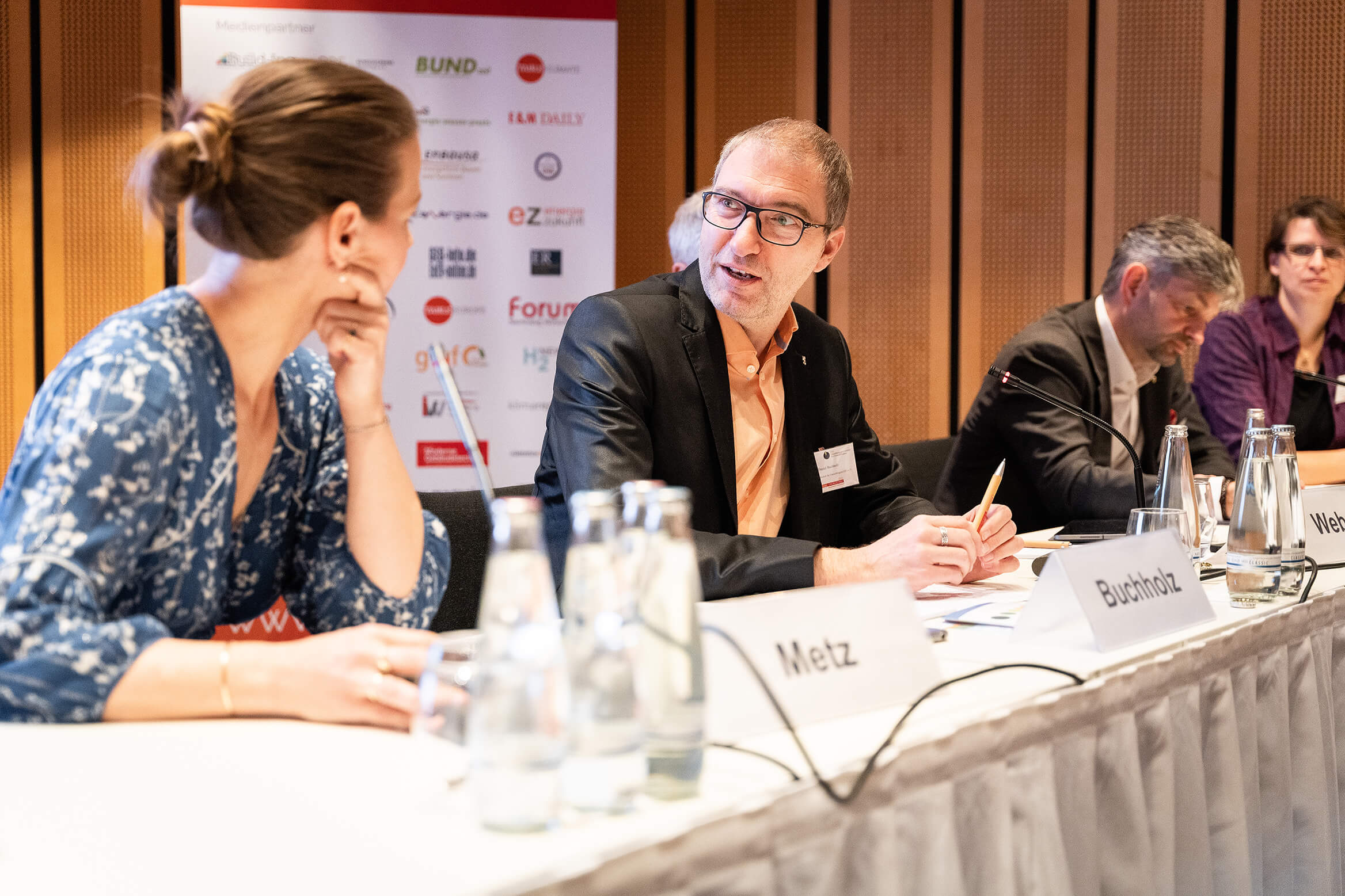
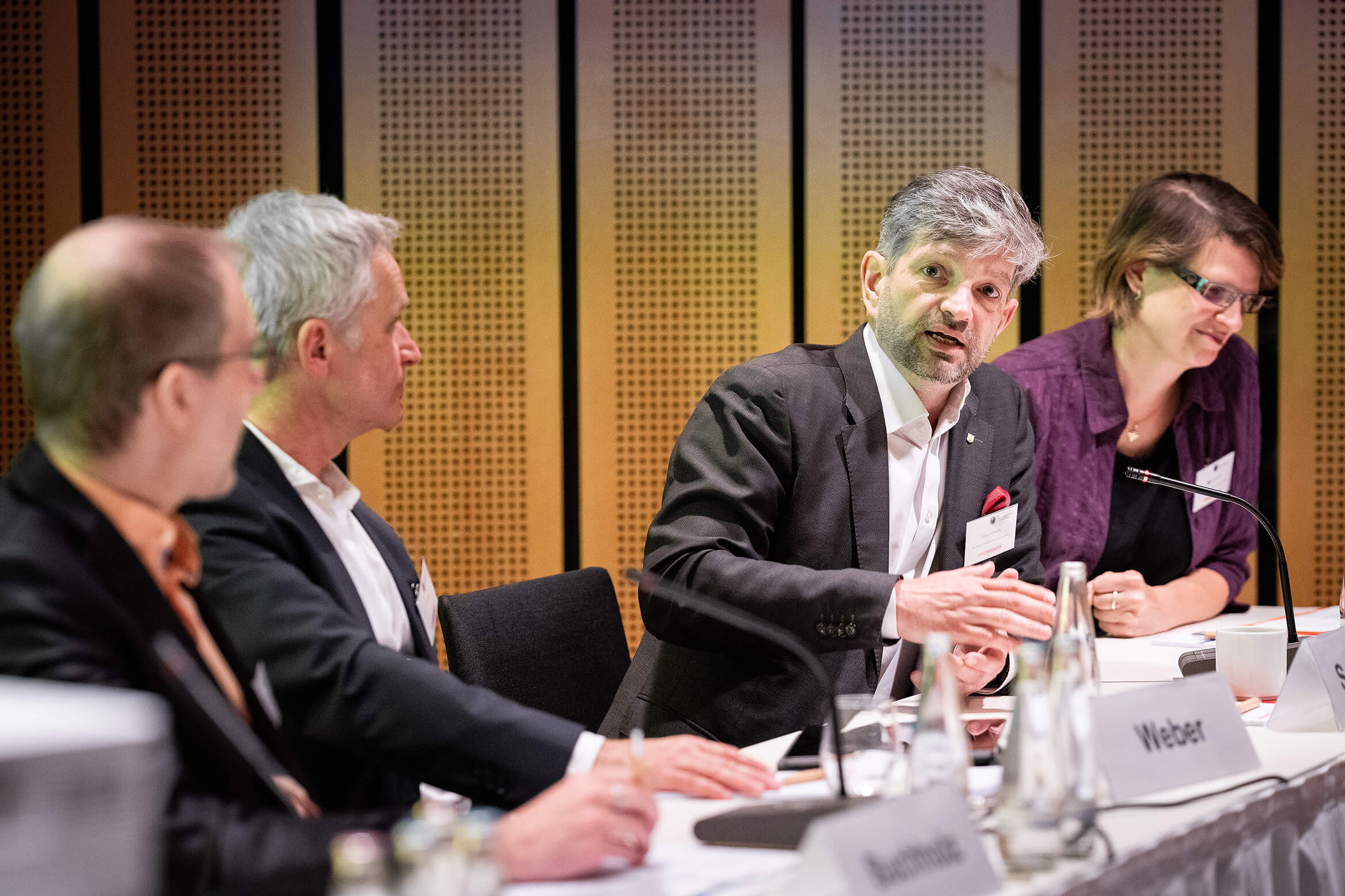
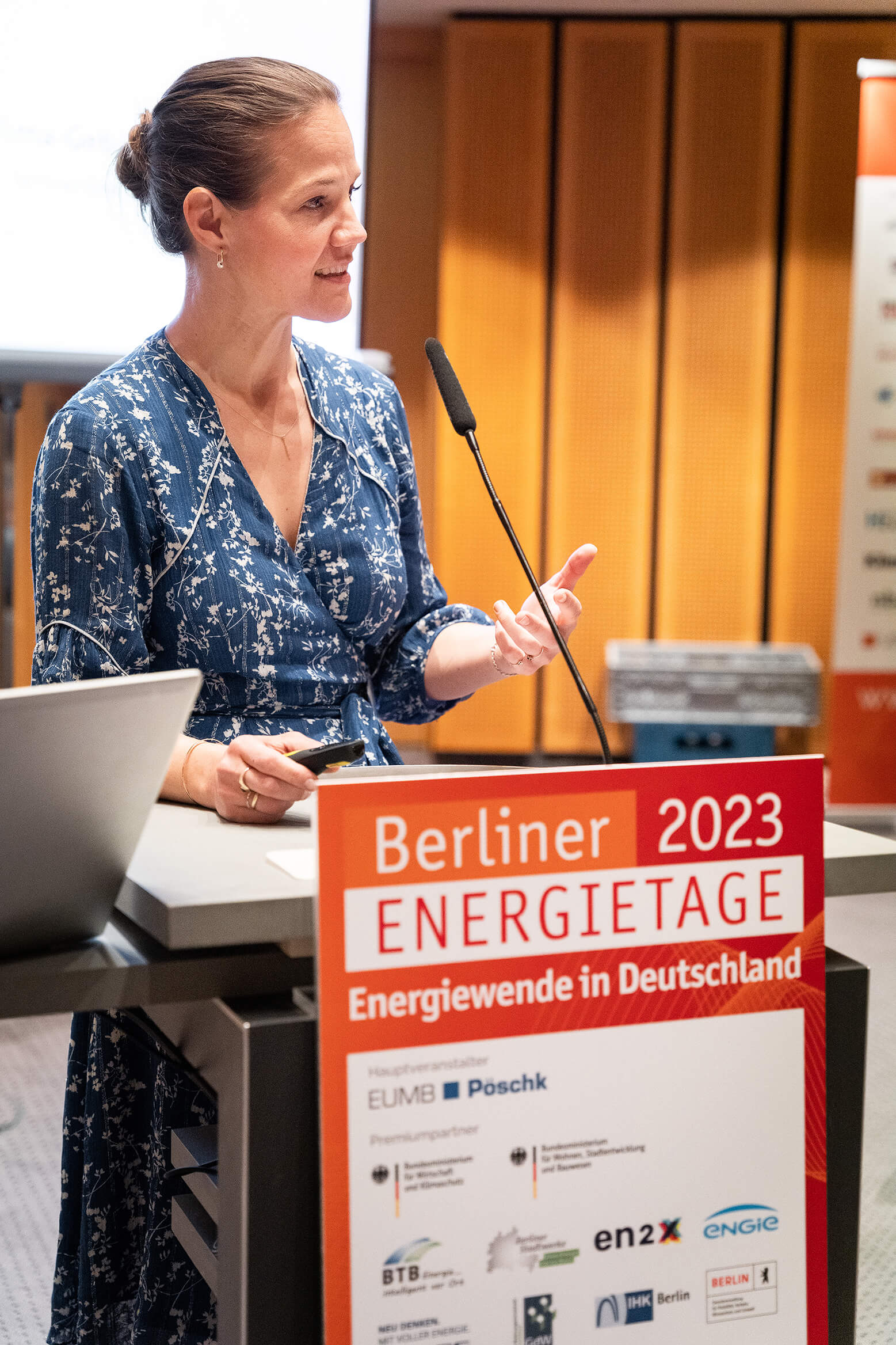
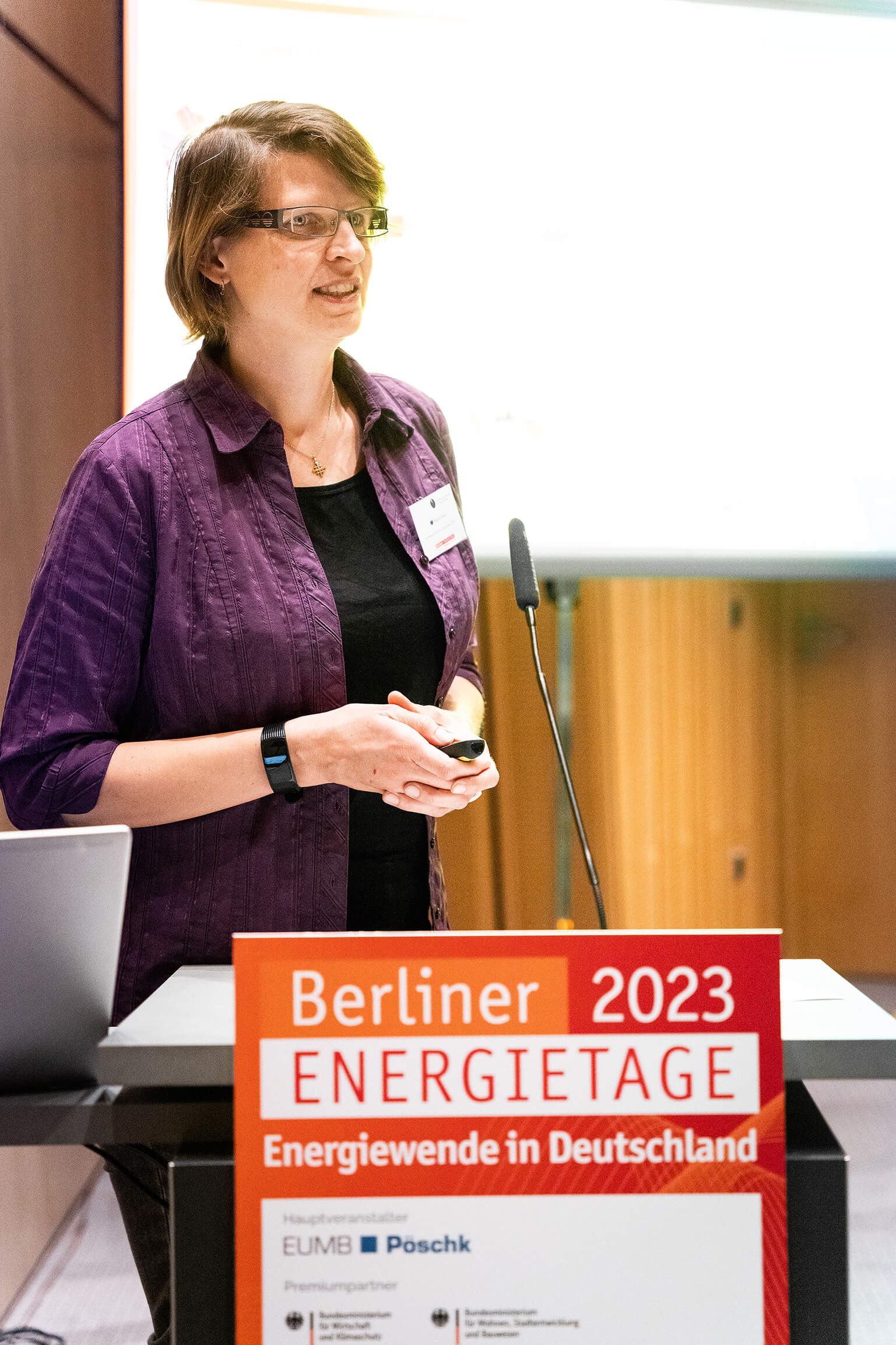
The expert dialog “Secret energy data” therefore discussed practical obstacles in municipal energy monitoring with the audience. The speakers were Marlies Bock, Project Manager at the Independent Institute for Environmental Issues (UfU), Barbara Metz, Federal Managing Director of Deutsche Umwelthilfe (DUH), Ralf Weber, CEO of adapton AG and Oliver Schworck, Berlin District Councillor in Tempelhof-Schöneberg.
Bock reported on the “SMART” project, which aimed to collect and use energy data in schools for educational purposes, but was hampered by a variety of administrative hurdles. Metz described similar experiences from the “Klimagebäude-Check” project. In this project, local authorities throughout Germany were asked to issue energy performance certificates – on the basis of legal obligations. It turned out that only a fraction of the local authorities were in a position to provide such certificates.
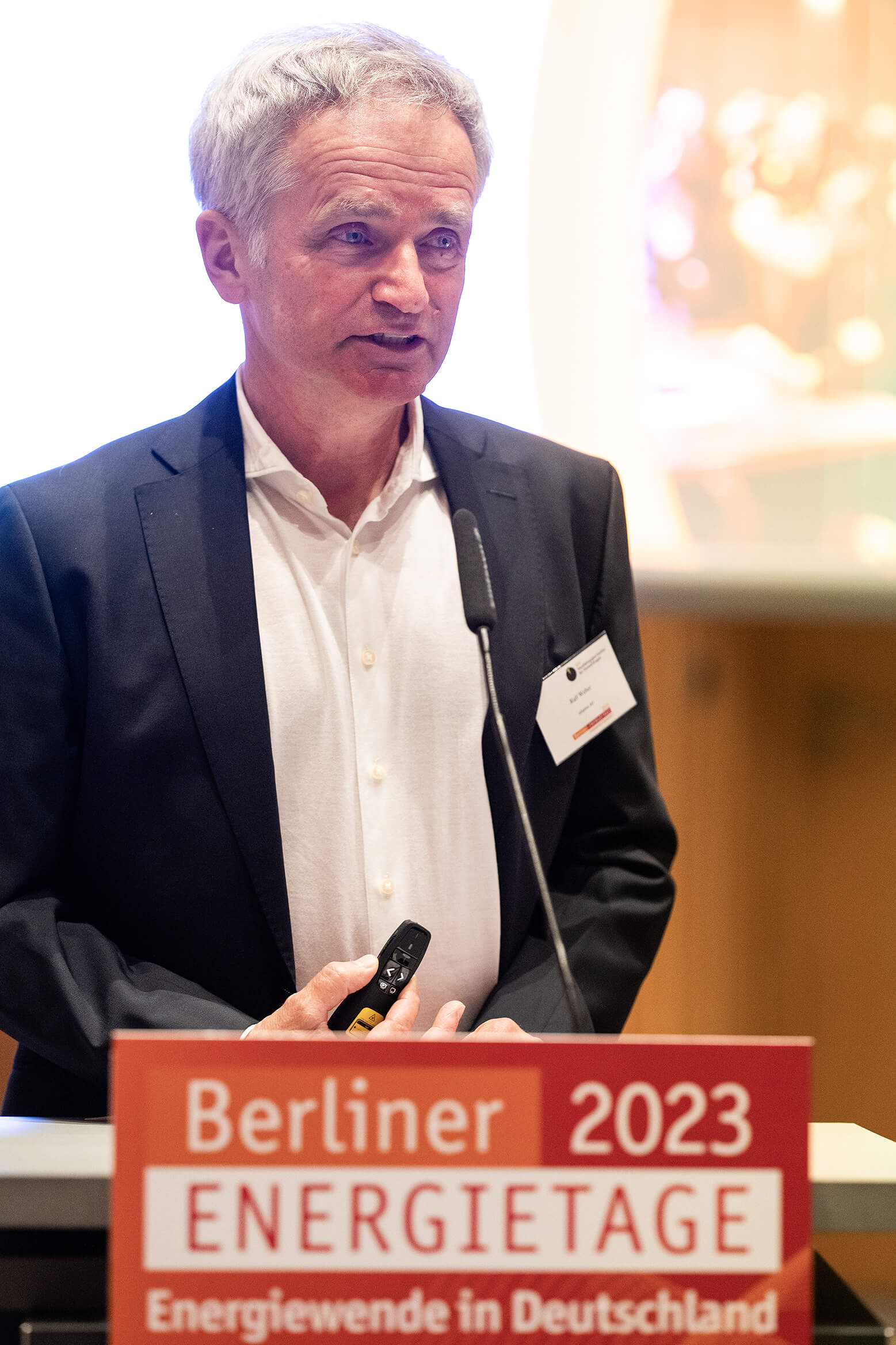
Weber showed the guests what technical possibilities already exist today to operate automated energy monitoring in order to counter the frequently cited lack of personnel in public administration.
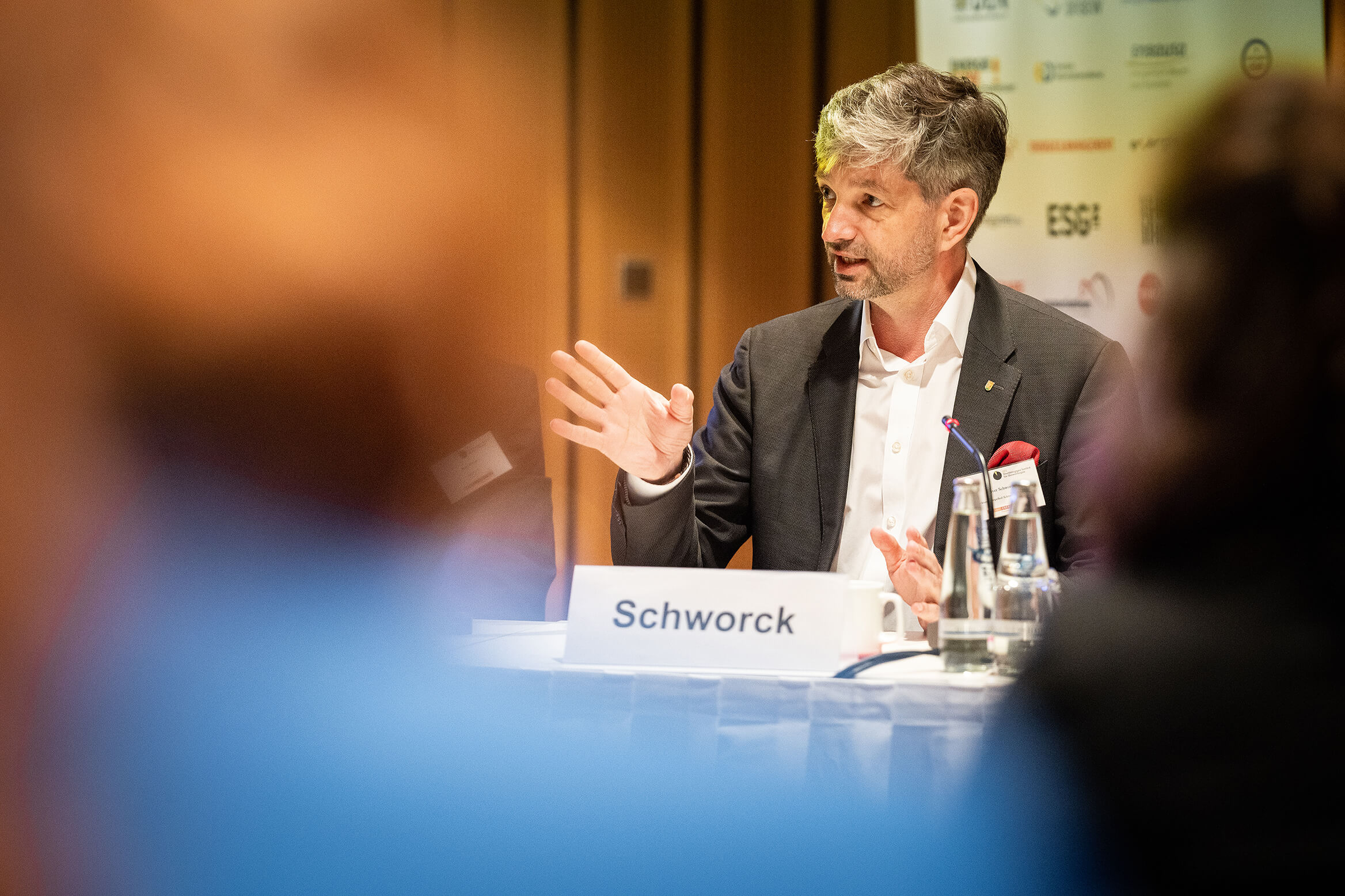
Finally, Schworck pointed out that, in addition to automation, it was also important to shorten decision-making paths in public administration.
Speakers:
Presentations (German only):
- Marlies Bock,Unabhängiges Institut für Umweltfragen – UfU e.V: Geheime Energiedaten – Erfahrungen aus dem Projekt “Smarte Energie macht Schule” As project manager of the project “Smarte Energie macht Schule” and head of the department for energy efficiency & educational projects, she represents the perspective of educational partners for schools for the pedagogical use of energy consumption and yield data.
- Barbara Metz, Deutsche Umwelthilfe e.V. (DUH): Project results of the Climate-Building-Check the Federal Managing Director of DUH reports on the results of the investigative report “Staatsgeheimnis Energieverschwendung”, which she obtained together with the platform Frag den Staat (Open Knowledge Foundation Deutschland e.V.) as part of the Climate-Building-Check campaign.
- Ralf Weber, adapton AG: State of the art and best practice CEO of adapton AG, is an expert and service provider in the field of energy consulting and implementation of energy management systems (EMS) for private and municipal customers.
- Oliver Schworck, District Office Tempelhof-Schöneberg of Berlin, Head of the Department for Youth and Health
Information on the Smart Energy at School project
The German government has decided to digitalize the energy market and has stipulated by law that millions of electricity meters in Germany must be modernized in the coming years. This is also known as the smart meter rollout. For most schools, which generally have a high electricity consumption, and also for many solar installations, it is therefore planned that digital electricity meters will have to be installed. With our project, schools can use this obligation for teaching, that’s the highlight.