8 years of energy saving in the Havelland district
17 June 2022
8 years of energy-saving projects in the Havelland district
Evaluation & festive conclusion
Saving energy to slow down global warming – After the third successful project period of the Havelland energy-saving projects, both the district as the school authority and the participating schools came together in a ceremony on 16.06.2022.
The energy consumption of recent years was evaluated. With the help of measures such as
- raising the awareness of building users for less energy waste in everyday school life through the energy teams in the individual schools, as well as
- technical optimizations together with the janitor
a total of 552,644 kWh of electricity has been saved at the seven participating schools since 2011. The evaluation of energy consumption in the area of heating showed that even before coronavirus, a total of 144,815 kWh could be saved at the facilities between 2011 and 2019, adjusted for weather conditions, thanks to the energy-saving projects.
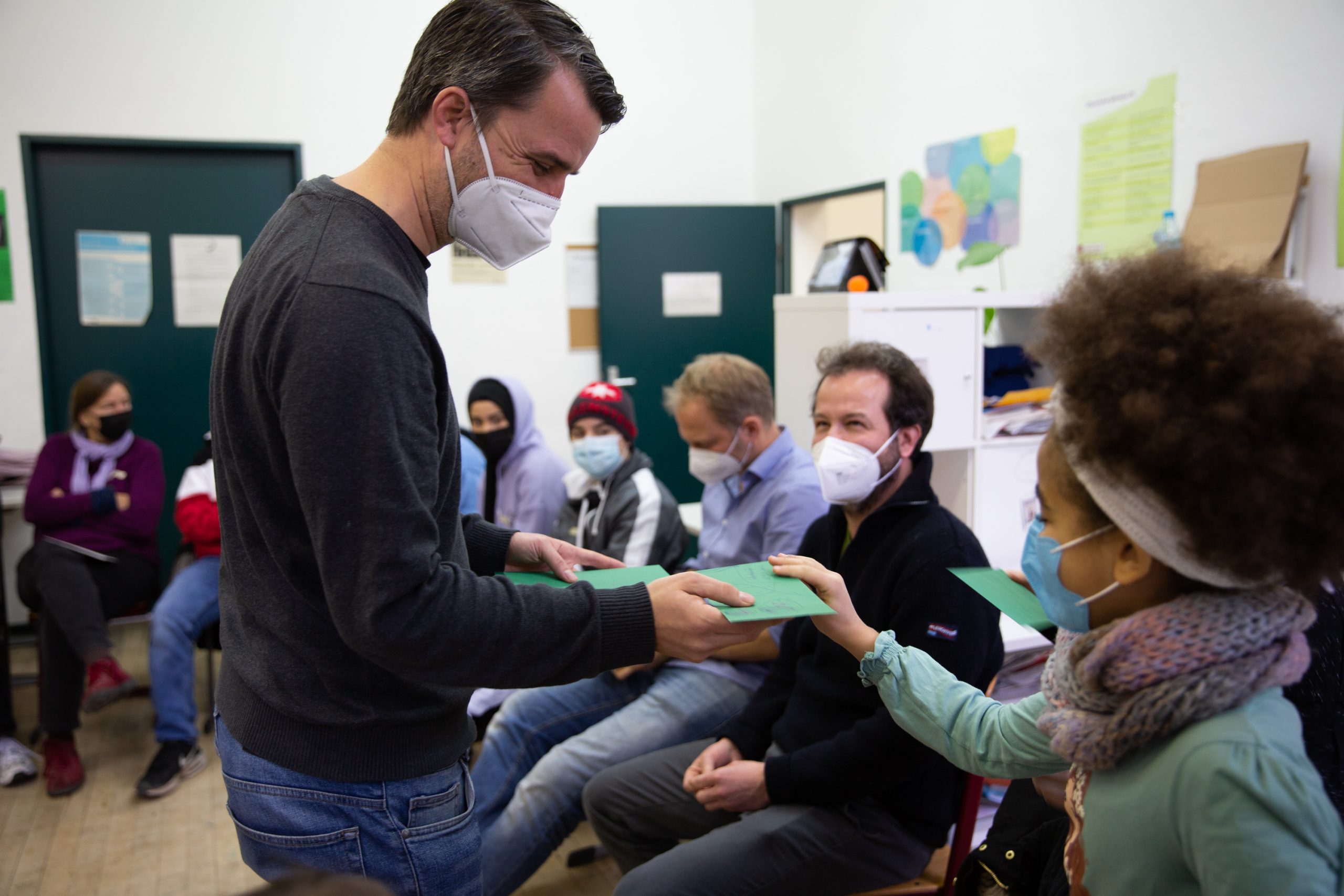
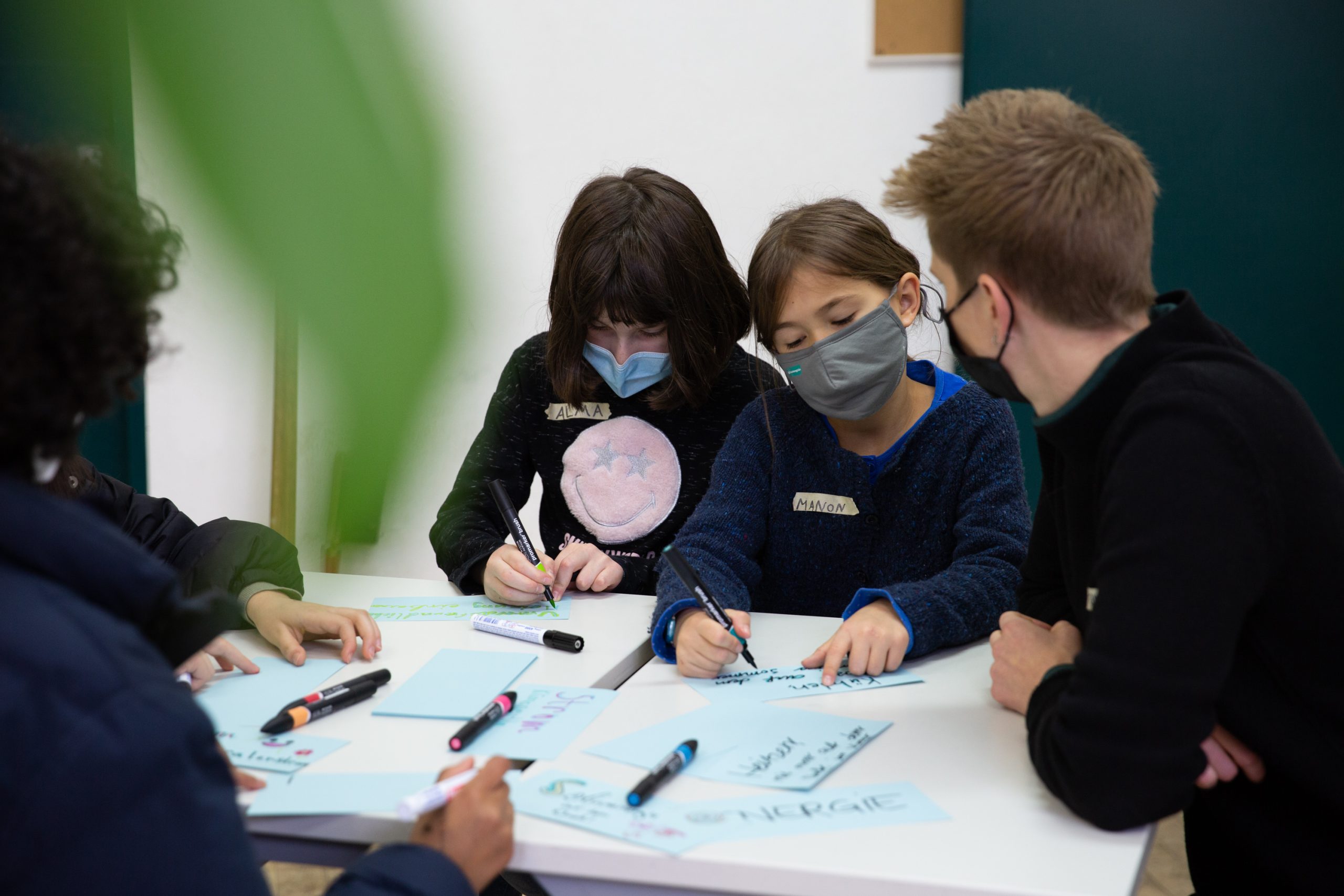
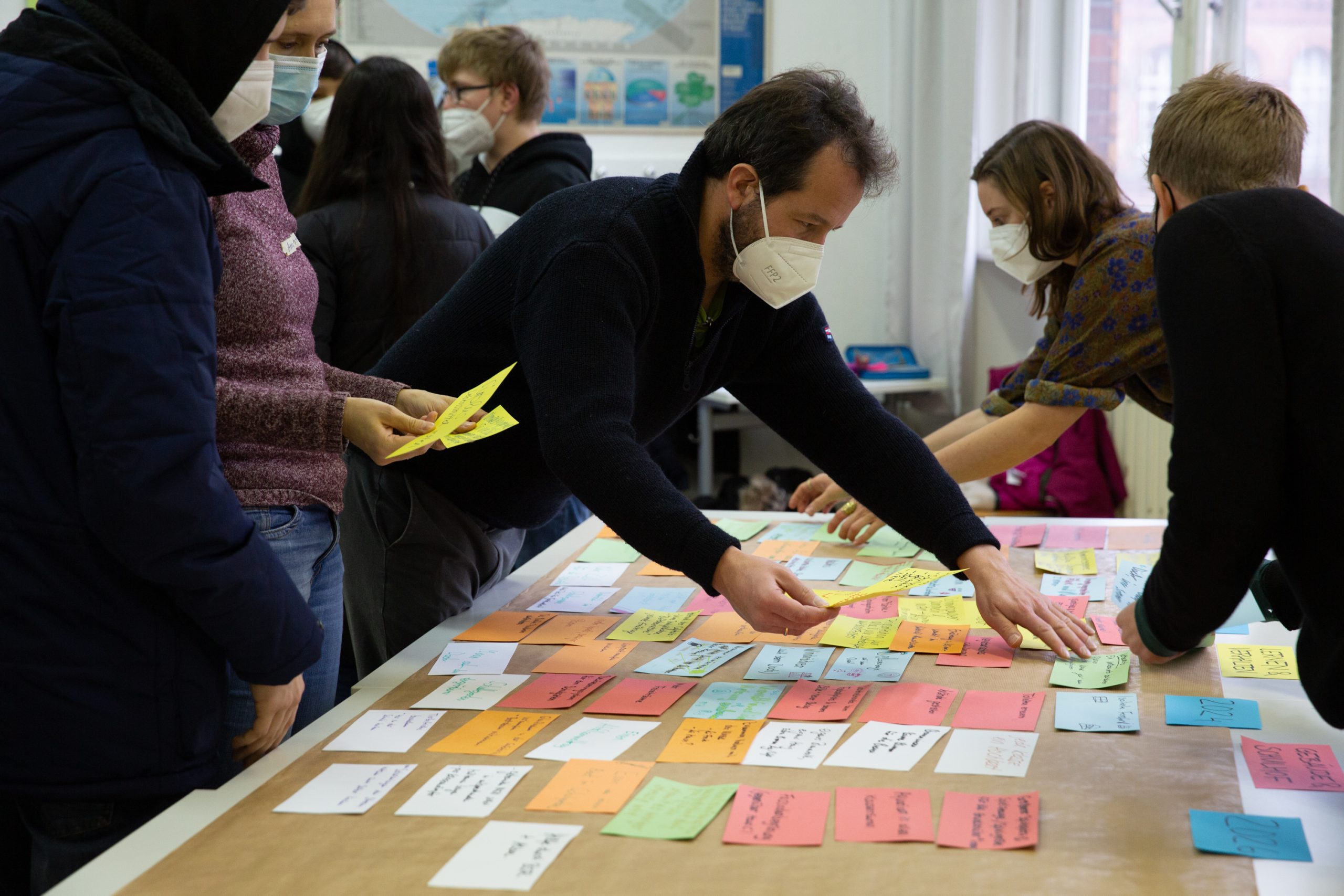
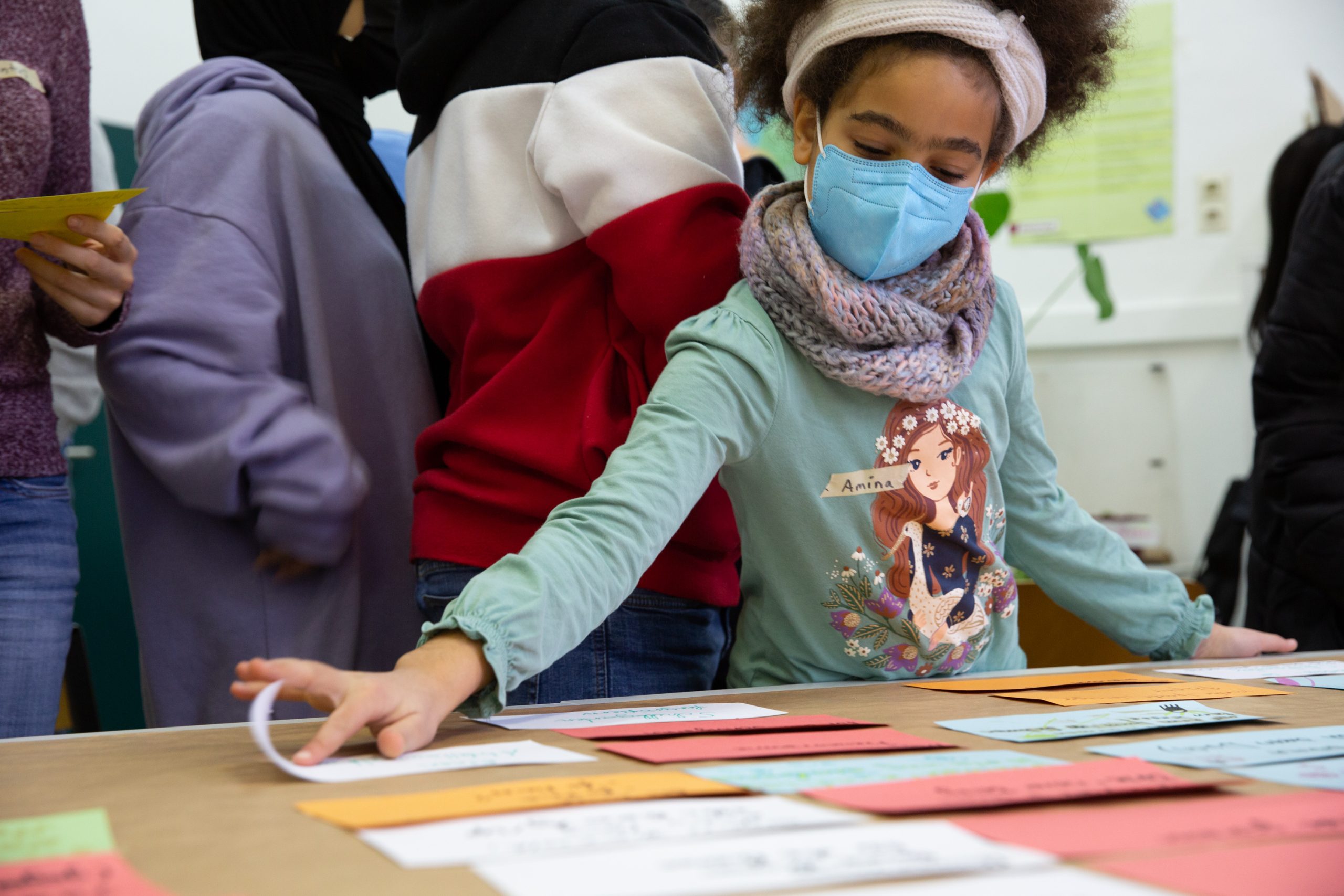
In the further course of the event, the individual projects carried out in the past heating period were presented, certificates were handed out and a game on the topic of climate justice illustrated which countries bear a particular responsibility in the climate crisis.
The district also presented survey results that showed a high level of satisfaction on the part of the schools supported.

Kick-off workshop: European Innovation Lab - participants start with the designs

May 20, 2022
Am Freitag, den 20. Mai 2022 fand der Kick-Off Workshop zum „European Innovation Lab“ statt. Die Teilnehmer*innen des Contests werden in den nächsten drei Monaten ihre Entwürfe zu einer modernen Beteiligungsplattform für die Umweltverträglichkeitsprüfung ausarbeiten.
Beim European Innovation Lab handelt es sich um einen Wettbewerb für junge Menschen, die ihre fachliche und digitale Expertise einsetzen, um Beteiligung bürger*innen-freundlicher zu gestalten. Der Contest basiert auf der “digitalen formalen Öffentlichkeitsbeteiligung in Umweltfragen in der Europäischen Union”. Werden große Infrastrukturvorhaben (Autobahn, Kraftwerk, Fabrik etc.) in einem EU-Mitgliedsstaat geplant, fällt meistens eine sogenannte Umweltverträglichkeitsprüfung (UVP) an. Das Projekt wird also auf seine Auswirkungen für die Umwelt, Mensch und Tier geprüft. Die UVP dient damit als Instrument der Umweltvorsorge. EU-Bürger*innen haben das Recht, die Ergebnisse der UVP einzusehen und unter gewissen Kriterien auch Einwände zu erheben und sogar den Rechtsweg gegen das Vorhaben zu bestreiten.
Diese Rechte können jedoch nur wahrgenommen werden, wenn der Zugang zu diesen Informationen einfach und barrierearm gestaltet wird. Nicht nur durch die COVID-19-Krise ist es wichtig, dass Bürger*innen die Informationen zur UVP einfach digital abrufen können. Leider ist dies aktuell nicht der Fall: Die verschiedenen Portale der EU-Länder sind nicht einheitlich gestaltet, schwer auffindbar und einige Portale sind nur in der eigenen Landessprache verfügbar.
Um diese Portale weiterzuentwickeln und die Qualität von Bürger*innen-beteiligung zu heben, hat das UfU in seinem Projekt “Strengthening electronic participation rights in environmental protection in the European Union – at the same time further developing digital participation within the Aarhus Convention and the European Public Participation Directive (Aarhus-Strong)” einen Wettbewerb für sogenannte “Young Professionals” aus allen EU-Mitgliedsstaaten integriert. Aufgabe der Teilnehmenden ist es, Ideen zur Gestaltung einer Plattform zu entwickeln, die den Anforderungen und Zielen einer modernen digitalen Öffentlichkeitsbeteiligung entspricht.
Der Kick-Off Workshop
Im Kick-Off Workshop wurden die Teilnehmenden mit spannenden Vorträgen in das Thema eingeführt und hatten die Möglichkeit, mit Hilfe von Design Thinking Methoden ein Problembewusstsein zu entwickeln und ihre ersten Ideen auszutauschen. Elisa Lironi, Programmdirektorin beim „European Citizen Action Service“ (ECAS) hat zu Potenzialen und Herausforderungen der digitalen Demokratie in Europa vorgetragen. Louisa Hantsche, Projektleiterin beim UfU e. V., hat die Teilnehmenden in den Rechtlichen Rahmen und die Anforderungen für UVP-Portale und Öffentlichkeitsbeteiligung eingeführt und Robert Bjarnason, Präsident und Mitbegründer der „Citizens Foundation“ in Island hat die Teilnehmenden an seinem Wissen zu Möglichkeiten und Herausforderungen bei der Gestaltung von digitalen Beteiligungsplattformen teilhaben haben.
Bis zum 31. August 2022 haben die Teilnehmenden nun Zeit ihre eigenen Konzepte für eine digitale Beteiligungsplattform zu entwickeln. Eine Expertenjury wird das Gewinnerkonzept küren. Beim zweiten Workshop am 16. September 2022 haben die Teilnehmenden die Möglichkeit, ihr Konzept vor einem interdisziplinären Fachpublikum vorzustellen. Höhepunkt der Veranstaltung wird die Preisverleihung sein.
Day of the Basic Law - UfU demands basic right to environmental protection
May 23, 2022
Im neuen Grundrechtereport 2022, fordern wir ein Grundrecht auf Umweltschutz sowie eine Reform der Verbandsklagerechte.
Das Grundgesetz für die Bundesrepublik Deutschland wurde heute vor 73 Jahren erlassen. Seitdem haben Umwelt- und Klimaschutz immer mehr an Bedeutung gewonnen und beeinflussen die Auslegung der Grundrechte in Deutschland. Ein eigenes, einklagbares Grundrecht auf Umweltschutz gibt es zwar noch nicht, doch auf Grundlage internationaler Verträge, wie der Aarhus-Konvention, sind die Klagerechte in Umweltangelegenheiten für Personen und Umweltverbände stark erweitert worden. Im Zuge der Planungsbeschleunigung geraten jedoch vor allem die Verbandsklagerechte immer wieder in Kritik.
Unsere UfU-Mitarbeiterinnen und Umweltjuristinnen Louisa Hantsche und Kathleen Pauleweit setzen sich im aktuellen Grundrechte-Report mit dieser Problematik innerhalb der in Art. 19 Abs. 4 Grundgesetz verankerten Rechtschutzgarantie auseinander und zeigen sowohl Umdenkungs- als auch Reformbedarf auf:
“Um den ökologischen Krisen und damit einhergehenden (potenziellen) Grundrechtseingriffen zu begegnen, sollte die verfahrensrechtliche Stellung von Umweltvereinigungen nicht weiter geschwächt, sondern vielmehr gestärkt werden. Umweltrechtsschutz darf nicht als Hemmschuh, sondern sollte als Unterstützung und wichtiges Korrektiv bei der Umweltplanung betrachtet werden.”
Der Grundrechte-Report wird seit 1997 von den zehn größten Bürgerrechtsorganisationen Deutschlands herausgegeben und beschreibt als „alternativer Verfassungsschutzbericht“ die Lage der Bürger- und Menschenrechte in Deutschland. Neben Autorinnen und Autoren der Herausgebenden Vereinigungen, werden regelmäßig auch Gastbeiträge renommierter Expertinnen und Experten aufgenommen. Wir freuen uns daher sehr, als eines der führenden Umweltinstitute im Bereich des Umweltrechts erstmals Teils des Grundrechte-Reports zu sein.
Der Report kann ab dem 25.05.2022 online bestellt werden.
Climate Visions kick-off event - Berlin's schools are ready!
May 06, 2022
The big kick-off event of KlimaVisionen in Berlin – Berlin schools are ready for change!
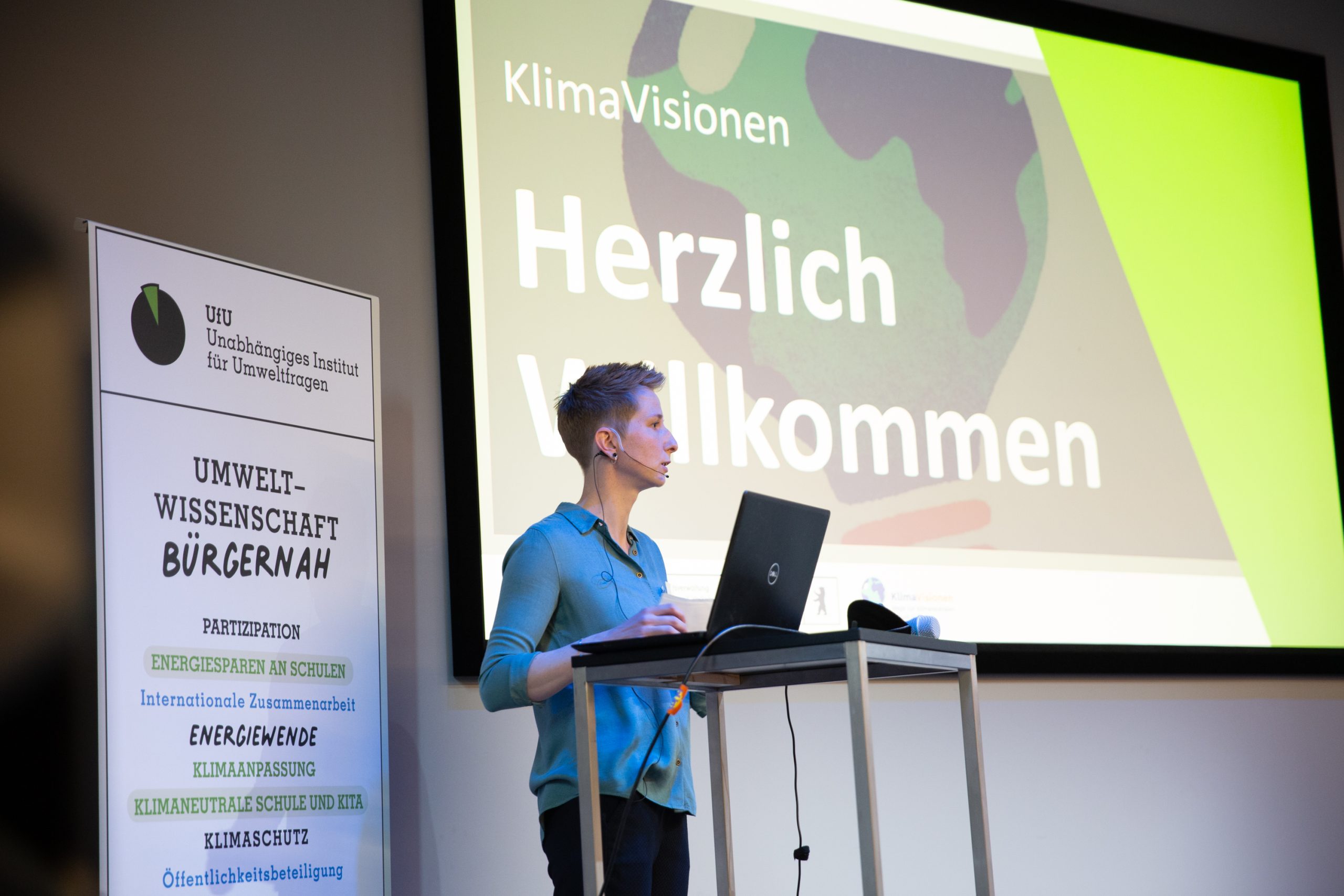
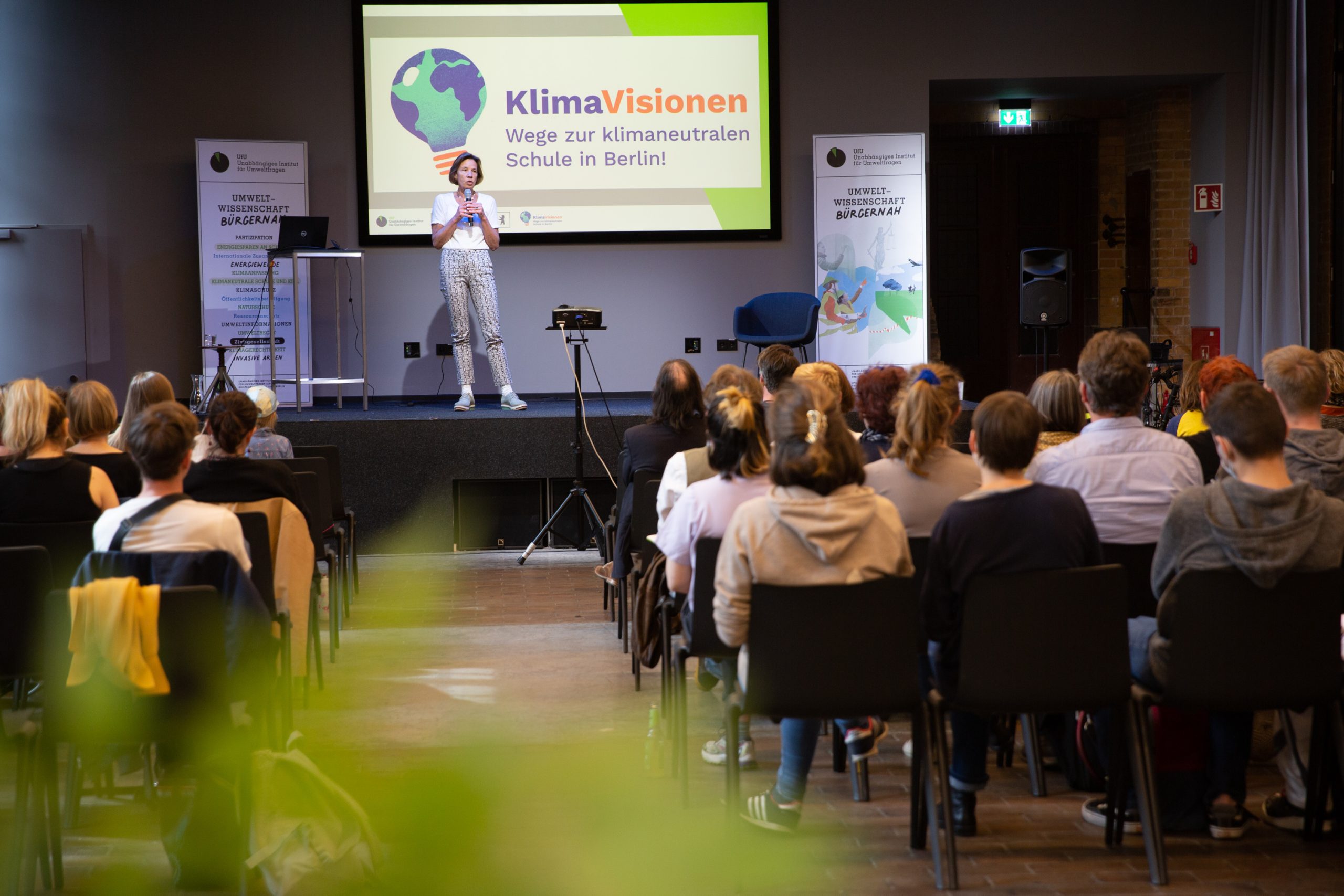
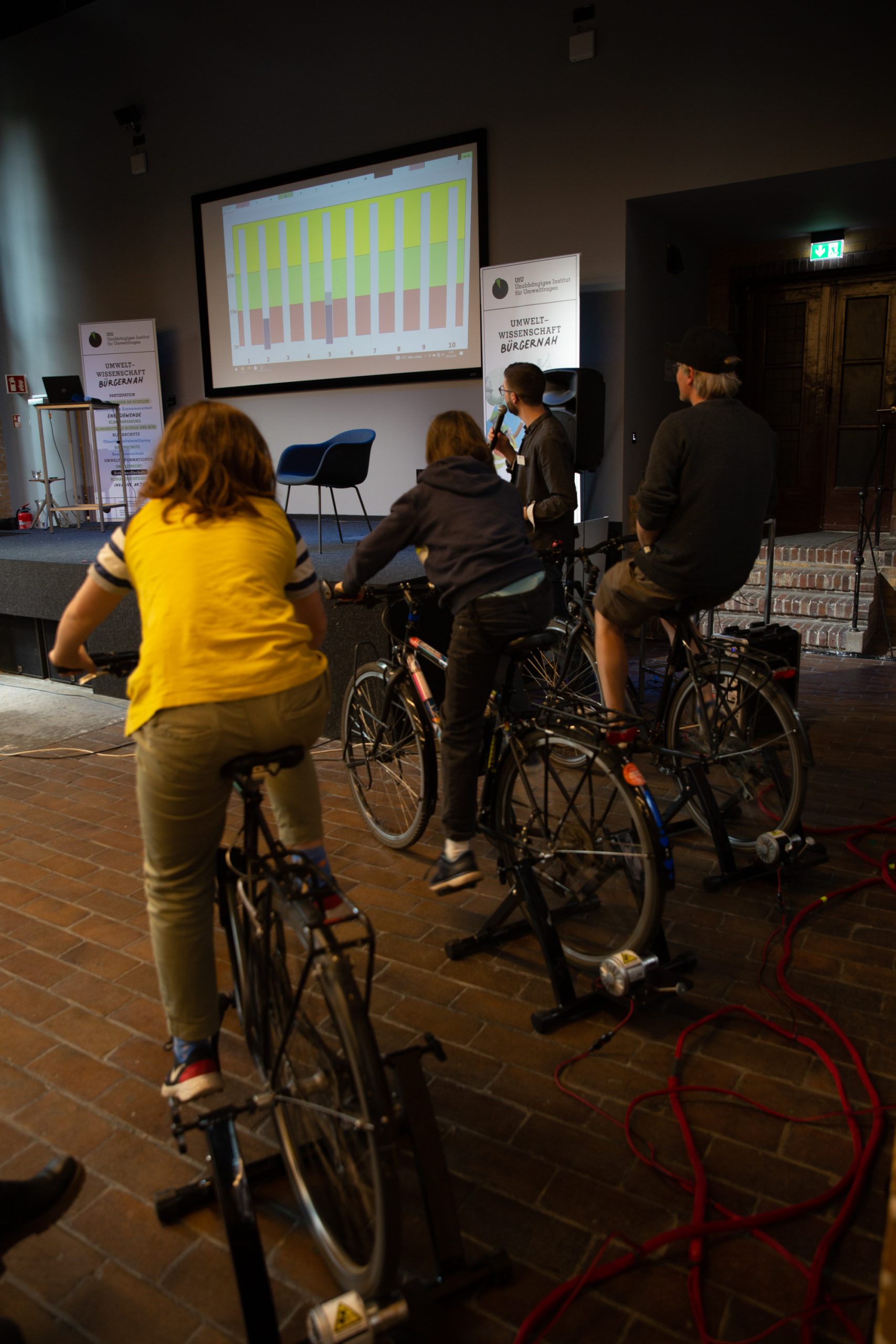
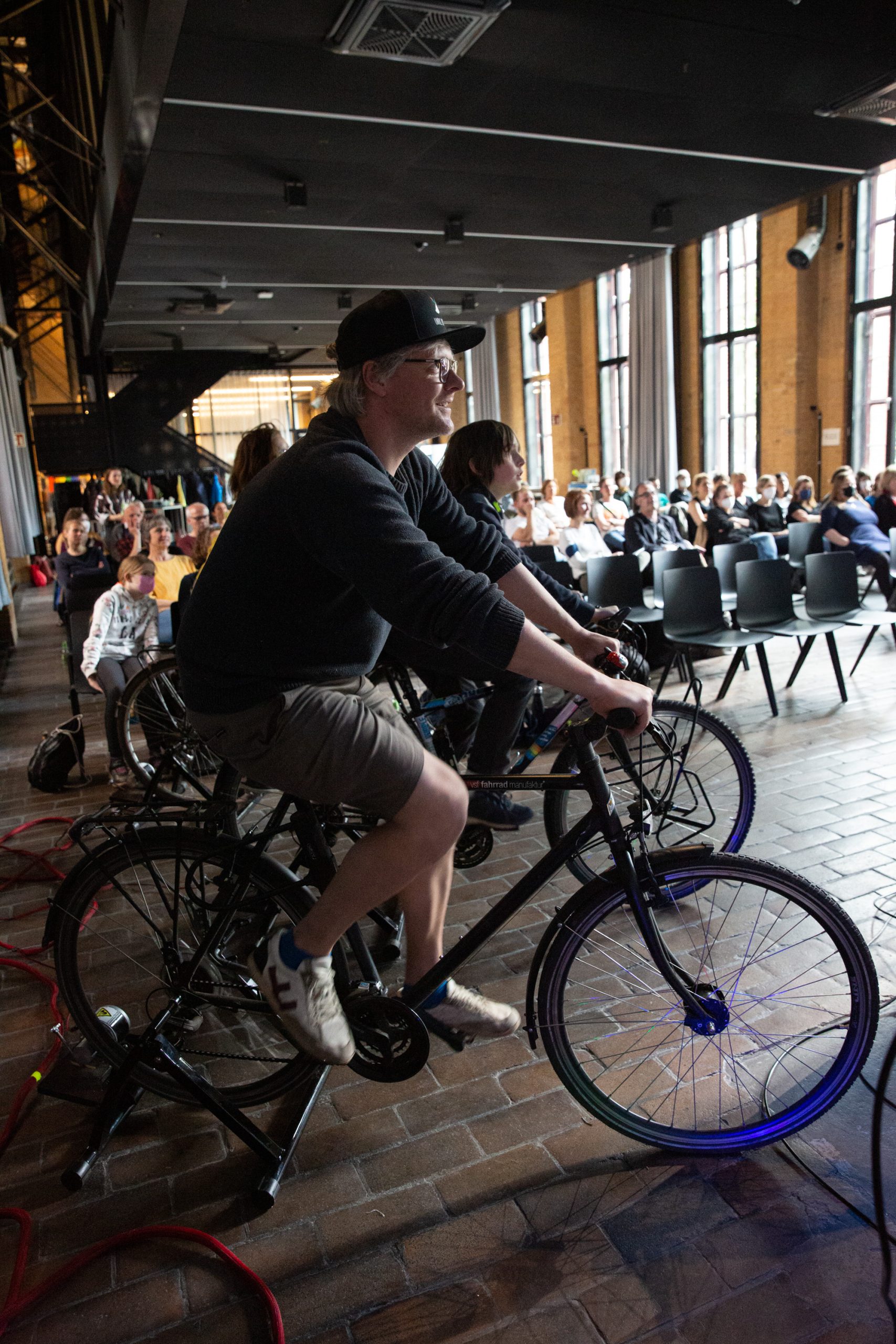
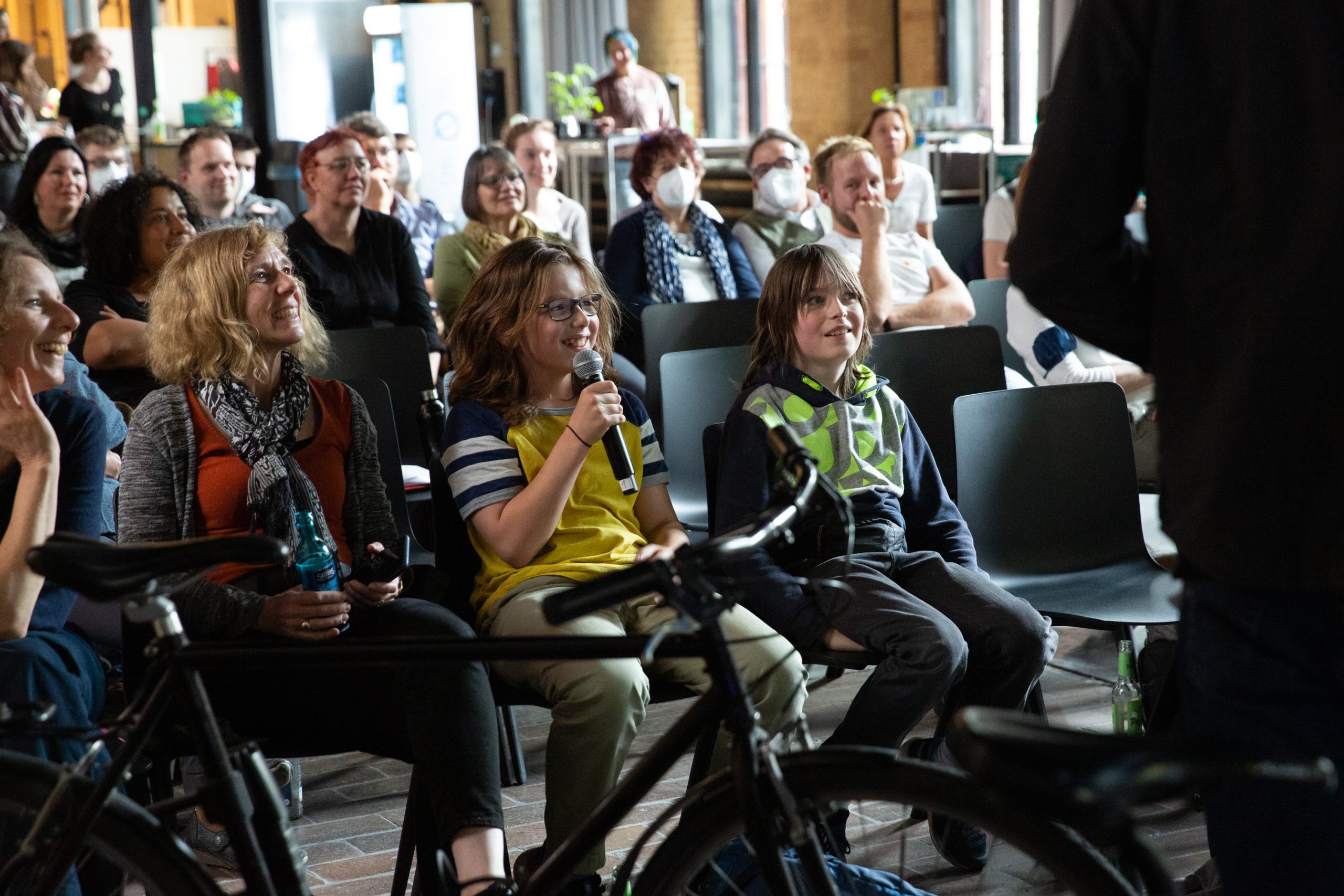
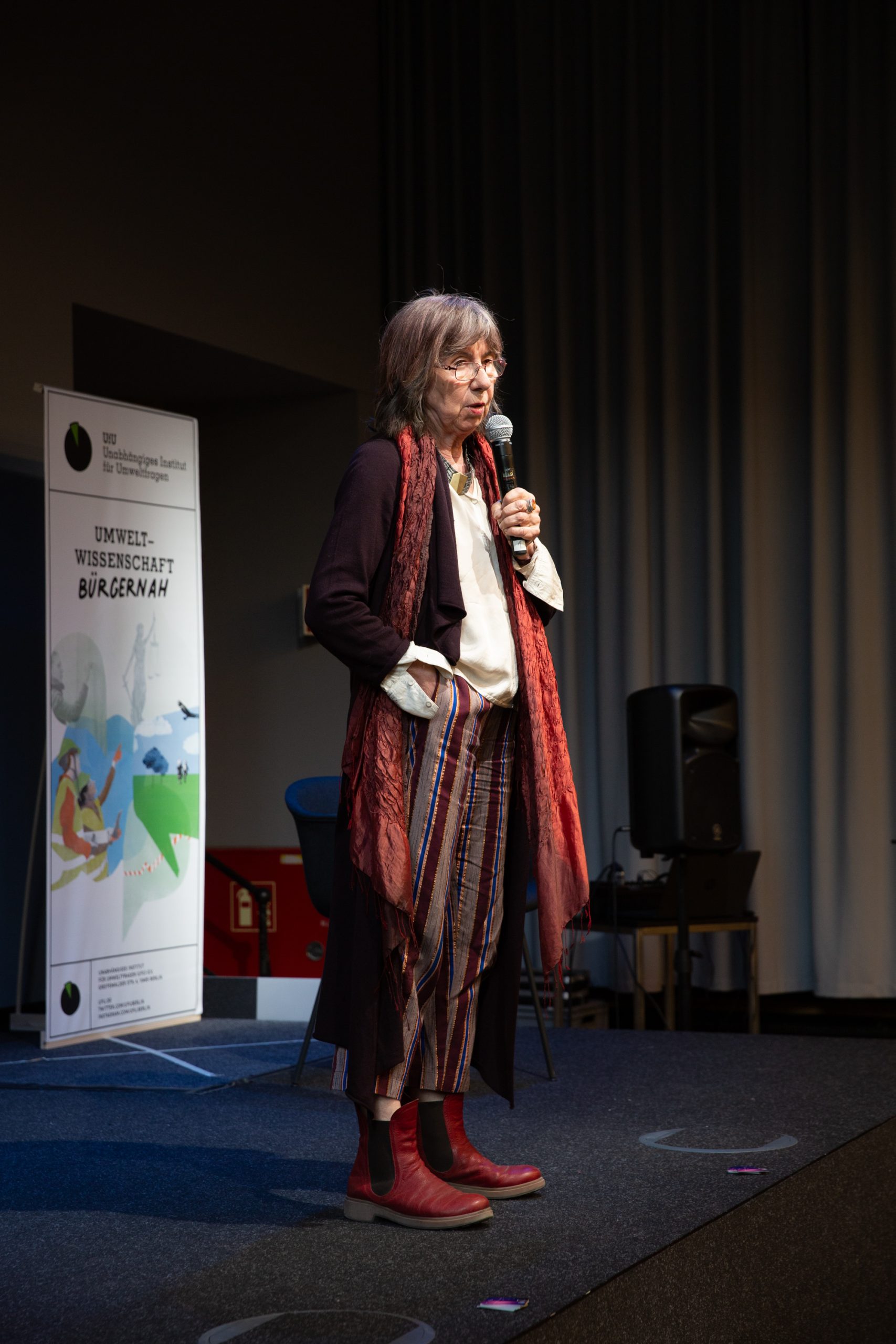
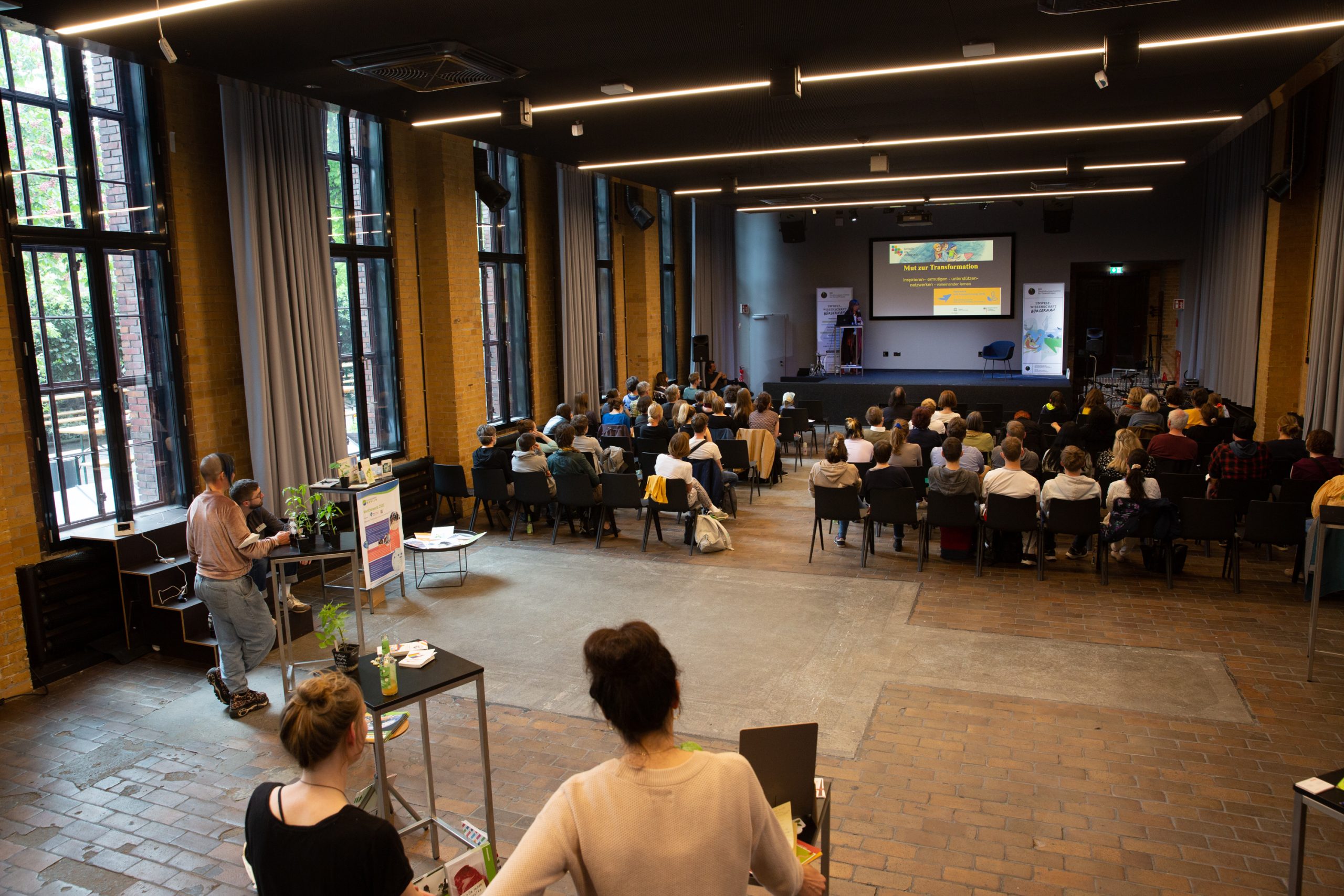
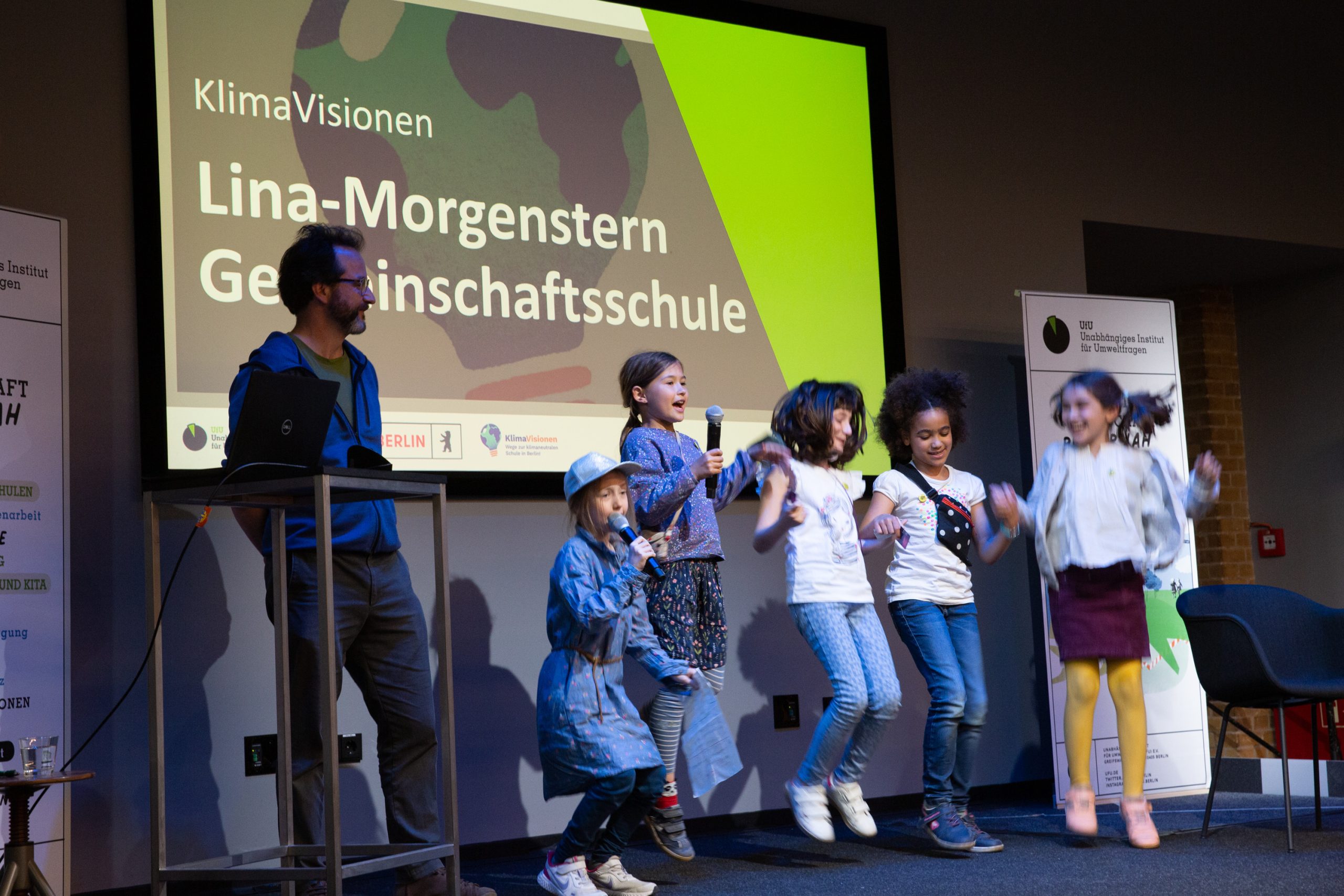
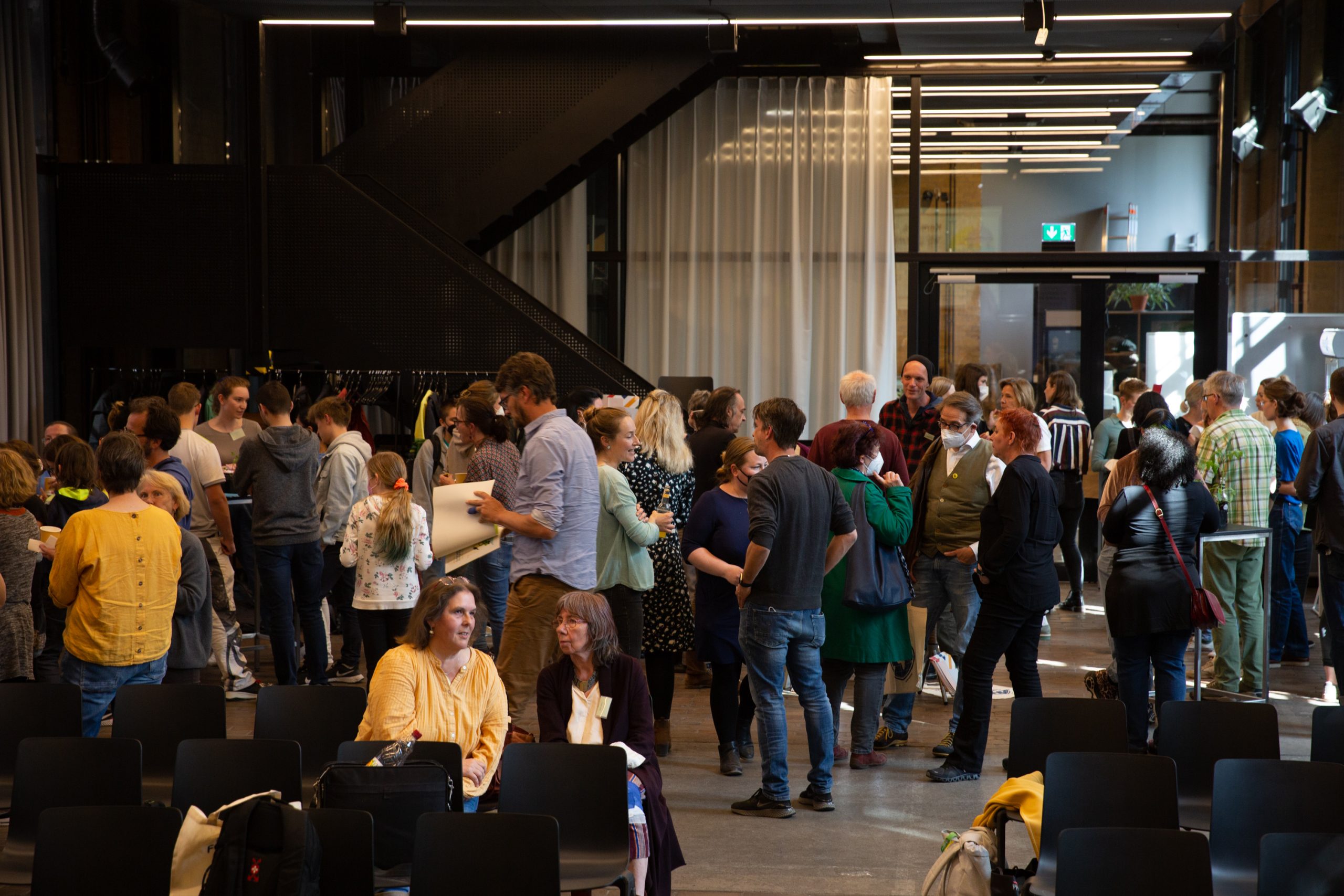
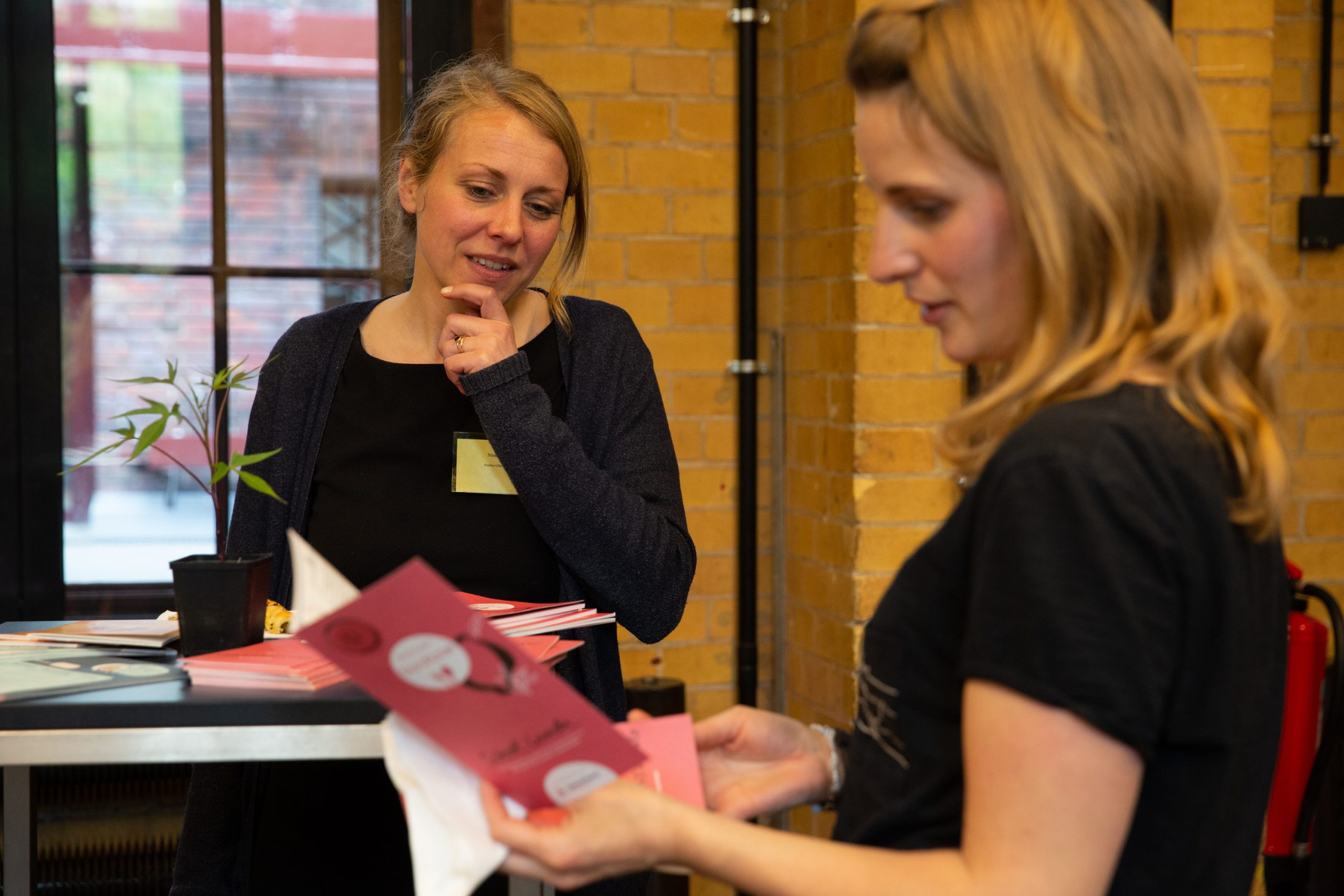
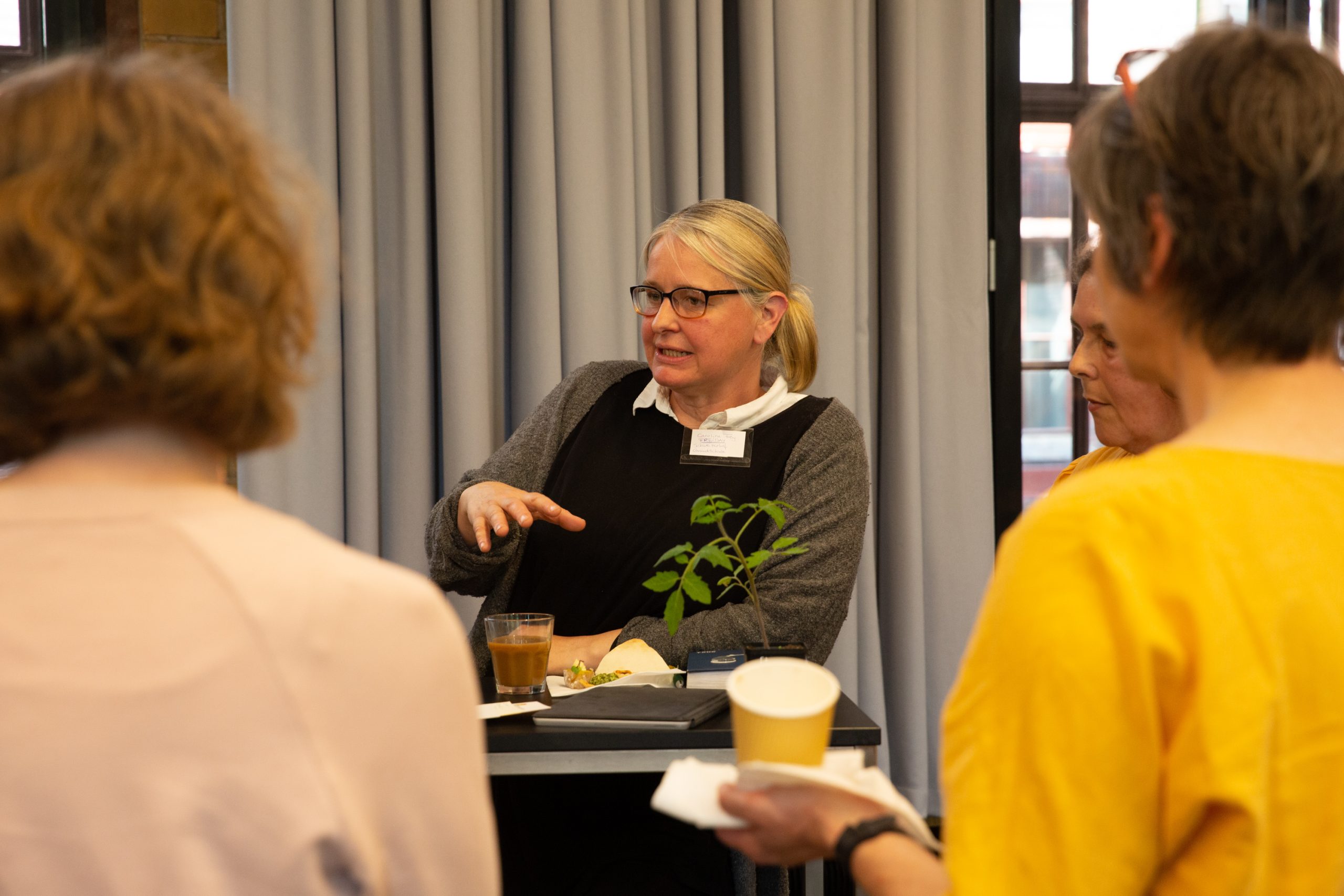
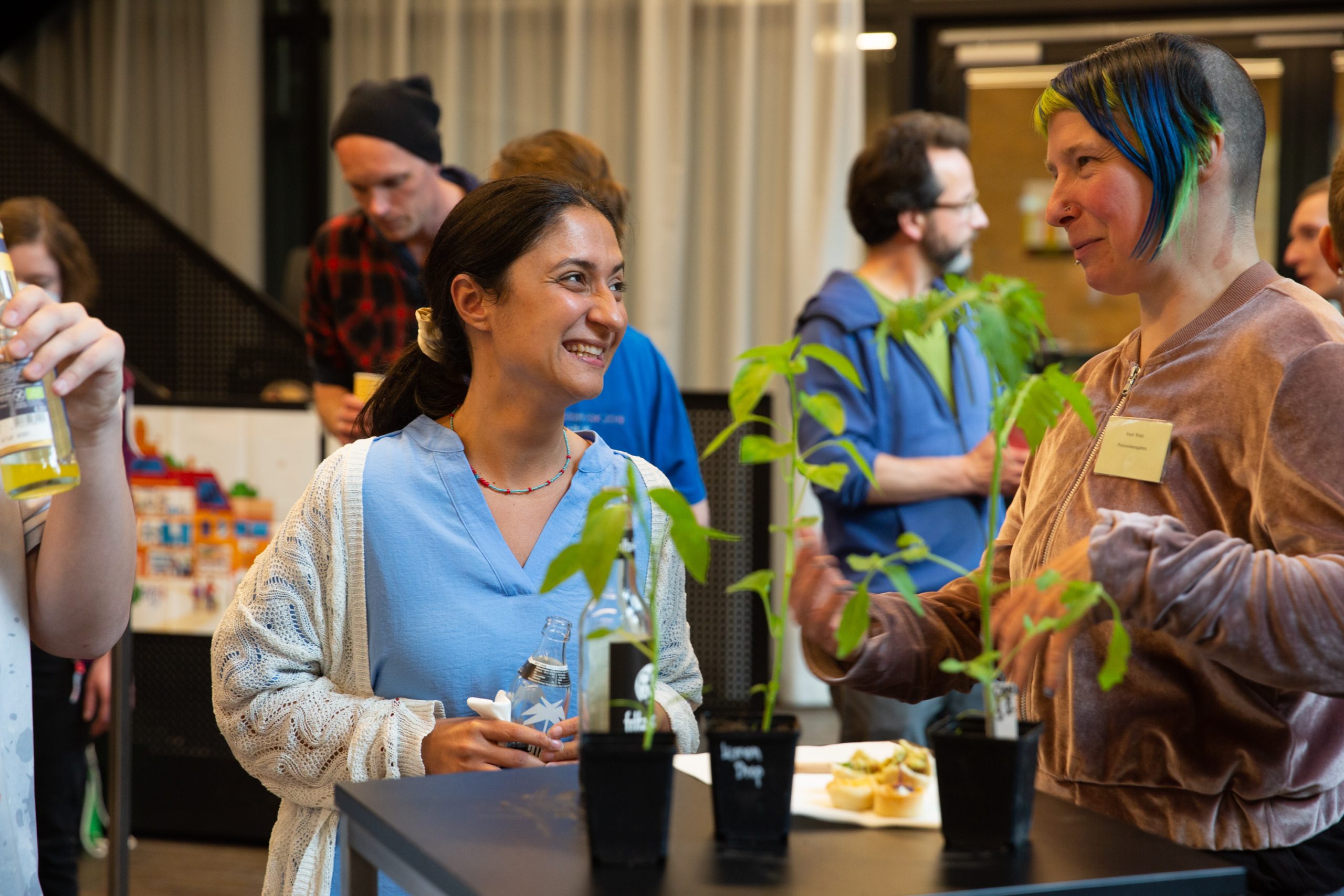
The big kick-off event for the KlimaVisionen project took place in Berlin on May 5. A total of 40 schools want to embark on the path to climate neutrality together with UfU and came together at bUm – Raum für die engagierte Zivilgesellschaft (betterplace Umspannwerk GmbH) for the big project kick-off.
The project, funded by the Berlin Senate Department for the Environment, Mobility, Consumer and Climate Protection (SenUMVK), aims to make schools in Berlin climate-neutral in the long term. To this end, the Independent Institute for Environmental Issues – UfU e.V. in Berlin is carrying out the KlimaVisionen program and preparing a total of 40 schools for this complex topic. In joint workshops and vision workshops, pupils, teachers, parents and other user groups analyze the school’s resource requirements and look for solutions to reduce them and achieve climate neutrality in the long term. At the end, each school will have its own roadmap for its individual path to climate neutrality. At the big kick-off event, the participating schools, UfU and various initiatives came together for the first time to form networks and promote mutual exchange. After all, climate neutrality is a highly complex construct for a school. Topics such as energy supply, solar panels on the school roof, vegetarian canteen food,CO2-free school trips, the journey to school and many other areas not only require ingenuity, but often also expertise from outside and from others. For this reason, the big kick-off event not only brought the various schools together, but also connected them with initiatives that can be important partners in the transformation of the school. Prinzessinnengarten Kollektiv Berlin and the Acker e.V. association were on hand to talk about everything that is green, grows and could be of interest for potential school gardens and schoolyard greening. Restlos Glücklich e.V. talked about projects relating to food and nutrition, and the CO2 school calculator with Schools for Earth by Greenpeace was presented for consumption analyses, a great role model project represented by UfU. At the Bildungscent association, questions were asked and answers given on what opportunities there are for pupils to deal with the consequences of climate change and climate adaptation. For years, UfU has been of the opinion that schools should not be left alone with the task of transformation. It requires not only all user groups such as parents, building management, pupils and teaching staff, but also official support from politicians and school authorities. We are therefore very pleased that Ms. Margret Rasfeld from Schule im Aufbruch and Ms. Corina Conrad-Beck from SenUMVK are also supporting the project and provided the schools with important information by speaking at the event. Thanks to the strong network, we can now move on to developing and implementing the roadmaps.

Energy saving as the key to energy security - sufficiency as a strategy
April 07, 2022
Energy saving as the key to energy security – sufficiency as a strategy
One factor in the fight against climate change that has been underestimated to date is energy saving, i.e. energy sufficiency. However, the possibility of reducing CO2 emissions not only through the expansion of renewable energies, but also by actively reducing energy consumption, is increasingly coming to the fore. The war in Ukraine and the realization that our own energy security is dependent on fossil fuels gives this issue a further reason to become a central principle of political action. The Independent Institute for Environmental Issues is one of 40 initial signatories of an appeal from science and civil society calling for energy sufficiency to become a guiding principle.
Energy sufficiency has great potential
The potential for saving energy and thus reducing overall consumption is far from exhausted. Initial successes can already be achieved through changes in behavior. UfU has been teaching this for over 25 years in its energy-saving projects at schools throughout Germany. Together with pupils and teaching staff, the school is examined for this potential during the energy tour and on project days. This includes, for example, proper ventilation of indoor spaces, especially in winter, correctly set thermostats and energy-saving light bulbs and LED lamps. The appeal that has now been published highlights many other potential savings in the areas of transport, heating, public buildings, industry, agriculture and digitalization. Saving energy empowers citizens to play a direct role in the fight against climate change. It makes us more independent and more resilient against states that disregard human rights and requires comparatively little investment.
An energy efficiency policy is needed
The first signatories of this appeal call for energy sufficiency to be firmly anchored as a strategy in political action. After all, if citizens are to change their behavior and lifestyles, this is not possible without support from and with politicians. In addition to numerous educational offers, this also includes regulatory law, price signals and appropriate political communication.
First signatory
- Anja Bierwirth, Wuppertal Institute for Climate, Environment and Energy
- Almut Bonhage, Stefan Scheuer Consulting, Brussels
- Dr. Benjamin Best, Wuppertal Institute for Climate, Environment and Energy
- Prof. Harald Bradke, Fraunhofer Institute for Systems and Innovation Research ISI
- Klaus Breil, Member of the Bundestag (17th WP), Oberland Consulting, Member of the DENEFF Advisory Board, Bernried a. S.
- Dr. Lars-Arvid Brischke, ifeu – Institute for Energy and Environmental Research Heidelberg gGmbH
- Dr. Jutta Deffner, ISOE – Institute for Social-Ecological Research, Frankfurt am Main
- Dr. Elisabeth Dütschke, Fraunhofer Institute for Systems and Innovation Research ISI
- Dr. Hartmut Ehmler, Scientists for Future
- Prof. Wolfgang Eichhammer, Fraunhofer Institute for Systems and Innovation Research ISI
- Prof. Dr. Manfred Fischedick, Wuppertal Institute for Climate, Environment and Energy
- Dr. Corinna Fischer, Öko-Institut e.V.
- Prof. Dr. Doris Fuchs, Ph.D., Westfälische Wilhelms-Universität Münster
- Carl-Otto Gensch, Öko-Institut e.V.
- Dr. Konrad Götz, ISOE – Institute for Social-Ecological Research, Frankfurt am Main
- Dr. Christoph Gran, ZOE Institute for Sustainable Economies
- Prof. Dr. Rainer Grießhammer, University of Freiburg
- Prof. Dr. Stefan Heiland, TU Berlin
- Prof. Dr. Peter Hennicke, Wuppertal
- Prof. Dr. Martin Jänicke, Environmental Policy Research Centre, FU Berlin
- Leon Leuser, Jacques Delors Institute Paris
- Dr. Sylvia Lorek, Sustainable Europe Research Institute, Germany e.V.
- Prof. Dr. Kai Nagel, TU Berlin
- Christian Noll, German Business Initiative for Energy Efficiency (DENEFF)
- Prof. Dr. Pao-Yu Oei, European University of Flensburg
- Prof. Dr. Flurina Schneider, ISOE – Institute for Social-Ecological Research, Frankfurt am Main
- Prof. Dr. Ulf Schrader, TU Berlin
- Dr. Joachim H. Spangenberg, Chairman of the Scientific Advisory Board, German Federation for the Environment and Nature Conservation
- Dr. Immanuel Stieß, ISOE – Institute for Social-Ecological Research, Frankfurt am Main
- Dr. Stefan Thomas, Wuppertal Institute for Climate, Environment and Energy
- Prof. Dr. Christian Thorun, ConPolicy – Institute for Consumer Policy
- Josephine Tröger, Fraunhofer Institute for Systems and Innovation Research ISI
- Prof. Dr. Frauke Wiese, European University of Flensburg
- Franziska Wolff, Öko-Institut e.V.
- Prof. Dr. Angelika Zahrnt, Honorary Chairwoman, Bund für Umwelt und Naturschutz Deutschland e.V. (BUND)
- Carina Zell-Ziegler, Öko-Institut e.V. Dr. Hans-Joachim Ziesing
- Dr. Michael Zschiesche, UfU
- Florian Kliche, UfU
European Innovation Lab - Register now for modern digital participation!
28th. March 2022
The European Innovation Lab - A European workshop and contest for the (further) development of digital formal participation approaches in the European Union
The European Innovation Lab is a competition for young professionals from all over the EU to jointly design the EIA portals of tomorrow. It is part of the BMUV-funded
Aarhus Strong project
for the development of modern digital citizen participation. As this is an international competition, the following sections of this page are in English.
Digital public participation is a vital element of modern democracy. Especially when it comes to infrastructural projects such as power plants, factories or railway networks, the whole society is affected. Therefore, EU law provides for a comprehensive Environmental Impact Assessment (EIA), where everyone can contribute their needs and expertise.authorities are therefore obliged to publish the information on the planned projects and offer online EIA portals. With the ongoing COVID-19 crisis the essential importance of an effective and efficient design of digital processes is more evident than ever. Existing processes need to be rethought and translated into the digital age. Yet the implementation of EIA portals in the EU could not be more fragmented, which often leads to frustration. As the design of such a digital participation platform requires a more complex and interdisciplinary approach, the Independent Institute for Environmental Issues invites young professionals from member states of the European Union to take part in its European Innovation Lab to design a platform that meets the demands and goals of modern digital public participation. Participants will be able to broaden their knowledge and networks while presenting ideas for tomorrow’s portals to an audience of renowned experts and decision makers. The best concepts will be awarded:1st Prize – 1250 €, 2nd Prize – 1000 €, 3rd Prize – 750 €.
Programs
Phase 1: Kick-off workshop – 20th of May 2022 (online)
The participants will be introduced to digital public participation in the European Union and especially dive into the legal basis and requirements of EIA platforms. The practicability and design of existing websites will be discussed. You will get to know other participants and have the chance to form alliances for the competition.
Phase 2: The Contest Deadline – 31st of August 2022
After being equipped with the essentials, you now have time till the end of August to develop your own concepts for a digital participation platform. The goal is to design a platform that is compatible with the EU guidelines. However, it is up to you to decide on how you would like to create and implement your ideas. Out of all submissions, a jury of internationally known experts will select three finalists. Phase 3: The Second Workshop – 16th of September
2022 (online)
In the final workshop, all participants come together with an interdisciplinary expert audience to share their experiences and knowledge. Highlight of the event will be the award ceremony. The three finalists have the opportunity to present and discuss their designs before the final winner is announced.
Admission requirements
Participation is open to young professionals (ideally between 25-35 years of age) who are studying or residing in one of the 27 EU member states. Participants are expected to have experience in relevant disciplines such as web design, graphic design, communicative design, sociology, administrative law, environmental planning, urban development or spacial planning. Participants with expertise in related fields who feel motivated to participate are welcome to register as well. All participants will be given a confirmation of participation. Registration is possible until 16.05.2022. Please submit your registration via the form below. For questions you can write an email to aarhus-strong-project@ufu.de

Press release from DNR, BBN, BDLA, BUND, DUH, NABU, UfU and UVP-Gesellschaft

March 23, 2022
Environmental organizations present proposals to speed up planning: Improved planning and participation needed instead of symbolic policy to the detriment of the environment
Berlin, 23.03.2022. The environmental organizations BBN, BDLA, BUND, NABU, DUH, UfU, UVP-Gesellschaft and the environmental umbrella organization DNR have presented concrete recommendations for action for an effective acceleration of infrastructure projects in the current legislative period. On the occasion of a parliamentary discussion with members of the German Bundestag, they emphasize that there is an urgent need for acceleration in the area of climate and environmental protection measures in order to achieve the goal of climate neutrality. “It is therefore necessary to strictly prioritize projects according to their climate and environmental benefits instead of planning hundreds of often climate-damaging projects, e.g. in transport infrastructure,” the associations said in their assessment. Potential for acceleration could be leveraged above all by avoiding potential conflicts between climate and species protection as far as possible – including through overarching solutions – or by identifying them at an early stage and finding a solution with the involvement of the public. It is also important that the current legal framework is better utilized and that the numerous acceleration laws are used and evaluated with regard to their benefits for planning quality and acceleration before new and extensive legislative changes are adopted. “The measures adopted in the last legislative period, such as the use of project managers, the use of application conferences, the establishment of early public participation and planning simplifications for smaller projects, should be applied consistently,” the associations continued. The focus of future acceleration measures should therefore be on improving implementation and strengthening sub-legislative measures. The associations are convinced that the federal government’s coalition agreement contains a number of measures that are highly controversial in terms of European law and the rule of law and have little potential for acceleration, as they provoke lengthy legal disputes about their admissibility. This applies in particular to the reintroduction of substantive preclusion, the introduction of a duty to cooperate for environmental and nature conservation associations, the abolition of suspensive effect in legal protection proceedings or the introduction of fictitious approvals, which would lead to considerable legal uncertainty. “Accelerating planning is not an end in itself. It must effectively advance social transformation and promote its acceptance, protect the climate and ensure the protection of biodiversity,” is the appeal of the associations to politicians. The associations’ recommendations for action are available at www.dnr.de.
Technical inquiries
BDLA, Mario Kahl, Tel. 030 278715-12, mario.kahl@bdla.de; BUND, Dr. Werner Reh, Tel. 0176-45719292, rehwerner2@gmail.com; BBN, Prof. Klaus Werk, klaus.werk@werk-home.de; DUH, Dr. Cornelia Nicklas, Tel. 030-2400867-0, nicklas@duh.de; DNR, Florian Schöne, Tel. 030-6781775-99, florian.schoene@dnr.de; UfU, Dr. Michael Zschiesche, Tel. 030-428499332, michael.zschiesche@ufu.de; UVP-Gesellschaft, Dr. Joachim Hartlik, Tel. 05175-9291003; hartlik@uvp.de; NABU, Kari Fintzen, Tel. 01522.1722241, kari.fintzen@nabu.de.

Solidarity with Ukraine! UfU stands behind its project partners in Ukraine
February 24, 2021
English version below
__
Solidarity with Ukraine!
The Independent Institute for Environmental Issues – UfU e.V. stands in solidarity with Ukraine and our project partners there. We condemn Russia’s war of aggression against Ukraine in the strongest possible terms!
As a peaceful environmental organization, it has always been clear to us that differences can only be resolved through dialogue. However great the rifts may be, those who act in the interests of peace, justice and a good future fundamentally reject any form of violence. We strongly condemn the war of aggression that Vladimir Putin is waging against Ukraine and stand in solidarity with our partners in Ukraine. Together with great civil society organizations and the people working and living there, we have achieved a lot in recent years. We have worked together to improve water management in the Ternopil and Odessa regions and have worked with our partners to improve the participation of civil society in environmental and climate policy issues. The intercultural exchange and the common will to work for a good and sustainable future has greatly enriched us. We are deeply shocked to learn that these people, with whom we have so much in common, are now in danger. We call on Vladimir Putin to end his war against Ukraine immediately and to take the path of peaceful communication. As an institute that has its roots in the former GDR, many of our members and founders are aware of the long-term consequences of war and destruction on civil society and the environment. There must be no new war in Europe!
__
Solidarity with Ukraine!
The Independent Institute for Environmental Issues – UfU e.V. stands in solidarity behind Ukraine and our project partners there. We strongly condemn the Russian war of aggression against Ukraine!
As a peaceful environmental organization, it has always been clear to us that differences can only be resolved through dialogue. However great the differences may be, those who act in the spirit of peace, justice and a good future fundamentally reject any form of violence. We strongly condemn the war of aggression waged by Vladimir Putin against Ukraine and stand in solidarity with our partners in Ukraine. Together with great civil society organizations and the people working and living there, we have achieved a lot in recent years. Together we have worked to improve water management in the Ternopil and Odessa regions and worked with our partners to improve civil society participation in environmental and climate policy issues. The intercultural exchange and the common will to work for a good and sustainable future has enriched us greatly. We are deeply shocked to learn that these people, with whom we have much in common, are now in danger. We call on Vladimir Putin to end his war against Ukraine immediately and to take the path of peaceful communication. As an institute with its roots in the former GDR, many of our members and founders know the long-term consequences of war and destruction on civil society and the environment. There must be no new war in Europe!
__
Authors: Jonas Rüffer
Project FABIKLI - Our first explanatory film has been produced!
December 17, 2022
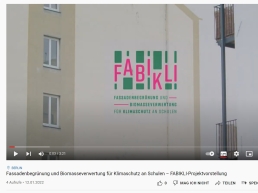
Our project FABIKLI - facade greening and biomass utilization for climate protection in schools is in full swing and we have produced the first explanatory film about the project.
In August 2021, we started our new school project FABIKLI. Together with TU Berlin, we are greening school façades in Berlin and scientifically evaluating the energy and material recycling potential of the vertically produced biomass. In this way, schools are making an active contribution to climate protection. We explain the project in our video:
Please not, that the video is in German and we didn’t upload English subtitles yet.
Façade greening – an innovative approach for more urban greenery
Façade greening refers to the use of large building walls for vegetation. In urban regions, this type of vegetation can represent an innovative approach to urban greenery. This is because land for green spaces is becoming increasingly scarce. Green building façades have a proven positive impact on local temperature, air pollution, noise pollution and the human psyche. At the same time, green façades provide shelter for insects and other animals and thus support biodiversity at the site. In contrast to fossil fuels, plant biomass has the advantage that when biomass is used for energy, only theamount of CO2 that was previously stored during plant growth is released. The problem with biomass is that agricultural land is often used for the production of biomass, which competes with food production. In addition, transportation to the energy producers worsens theCO2 balance of biomass.
FABIKLI at schools
In our project, we want to combine the advantages of facade greening with the benefits of utilizing biomass and are greening the facades of school buildings. For this purpose, climbing aids specially developed by the TU Berlin are used. In this way, the greenery can be harvested with little effort and the next growth can be prepared. It will be evaluated how the green waste can be used for heat and electricity production and how its composting is to be assessed from a climate change perspective. The green waste will also be examined as a source material for biochar production. The project combines façade greening for biomass production with a tailor-made educational package for schools. The tangible visual object on site illustrates the path of carbon using a concrete example. The façade greening is linked to topics from the framework curriculum in the classroom, incorporating UN sustainability goals such as “sustainable cities” and “climate protection measures” in order to supplement formal education with education for sustainable development. Measures and workshops to raise awareness and build capacity beyond the school curriculum are also being carried out for the broad spectrum of stakeholders in the school environment in order to initiate changes in behavior in the interests of climate protection. The project is being carried out by the Independent Institute for Environmental Issues (UfU) e.V. and the Technical University of Berlin (TUB) in cooperation with the district of Charlottenburg-Wilmersdorf. It is funded by the Federal Ministry for the Environment, Nature Conservation and Nuclear Safety (BMU) as part of the National Climate Initiative (NKI) and the district of Charlottenburg-Wilmersdorf.
Starting signal for our KlimaVisionen project
January 13, 2022
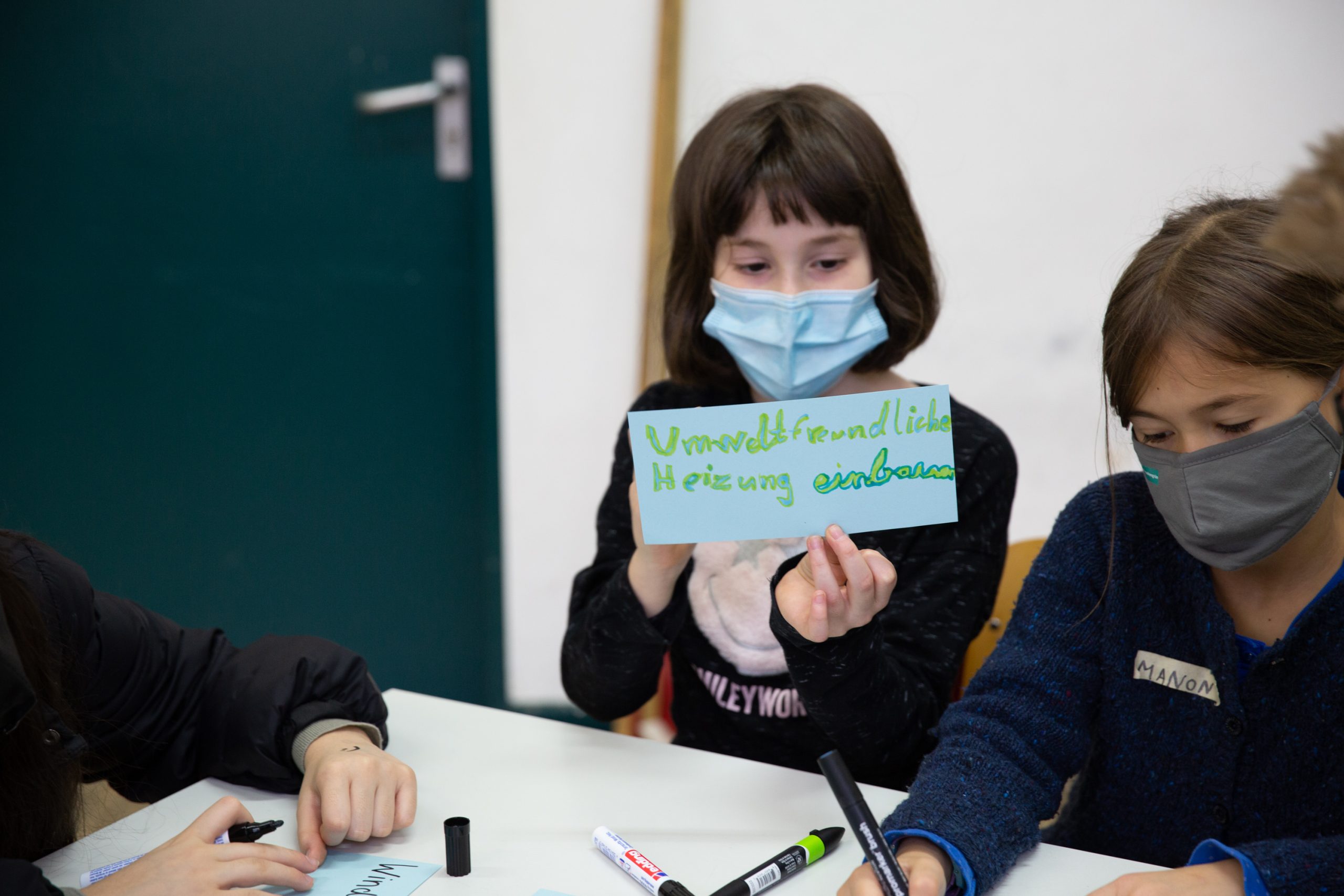
Kick-off for our first vision workshop in the KlimaVisionen project - Paths to a climate-neutral school!
What does a climate-neutral school involve?
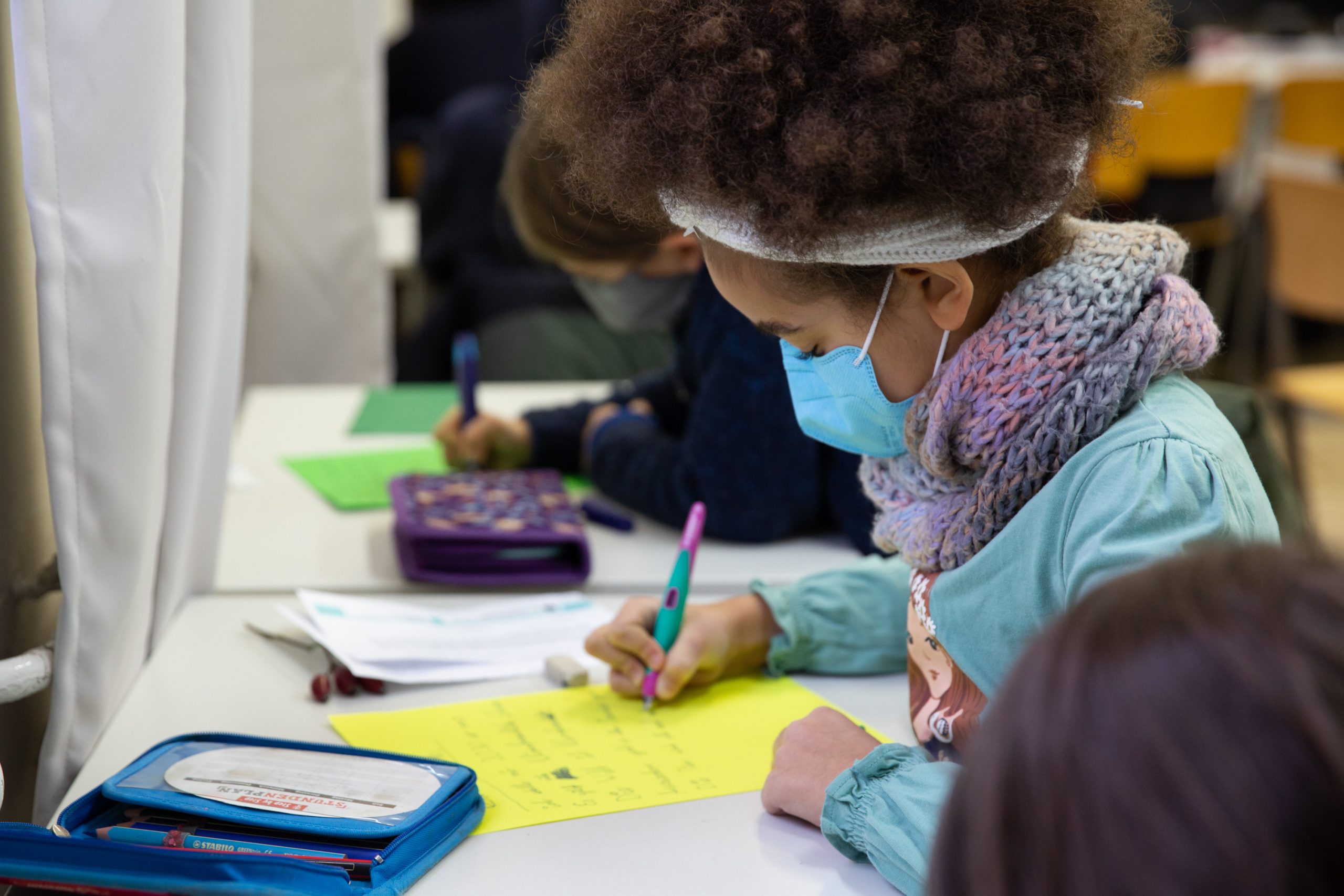
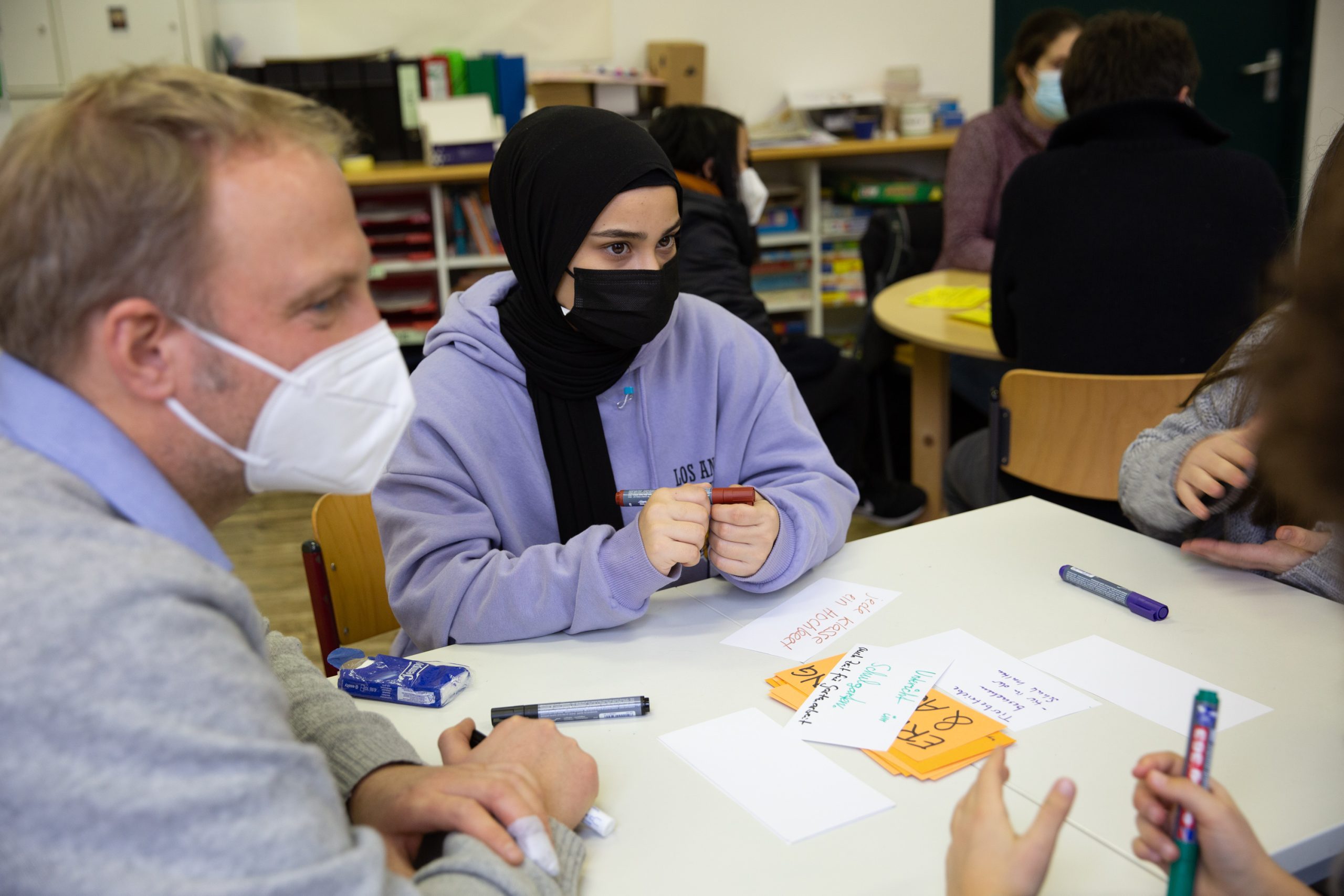
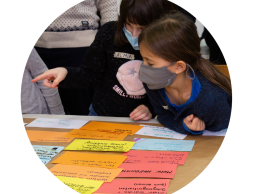
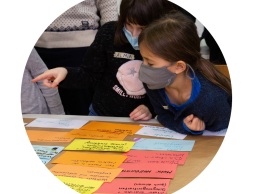
This question is not so easy to answer, because schools are complex systems. In order to make a school truly climate-neutral, so many different aspects have to be considered, where and when school begins and ends has to be defined and many challenges and potentials have to be analyzed. In our Climate Visions pilot project, we work with schools to develop potential visions of the school’s future in 2045 and show ways to achieve them. In mid-December, Lina Morgenstern Gemeinschaftsschule kicked off a series of vision workshops that we would like to implement with many different Berlin schools. The idea of the vision workshop is to bring together representatives of different groups in their local context and develop a shared vision of a climate-neutral future. This allows schools to embark on their individual path to greater climate neutrality and plan and implement specific climate protection activities. The aim is to convey self-efficacy and to create an individual roadmap for these actions together with the school. At the Lina Morgenstern Community School, teachers, pupils, school management, administration and educators came together. Facility management and parents could also take part in this project day. As schools are such complex systems in which many different groups are involved, the more perspectives and ideas there are, the better and more creative the path to climate neutrality will be. Various sensory levels were addressed on the project day: for example, impressions of the school environment were collected and different exercises were used to emotionally explore and express one’s own relationship to the topic of climate neutrality. A journey through time and work in small groups led to a variety of ideas for designing the vision of a climate-neutral learning oasis. This vision is now being prepared in the form of a roadmap so that the Lina Morgenstern Community School, together with allies, can get down to the concrete implementation We still have places available. Join us now!