City of Oranienburg honors commitment of climate protection schools
May 10, 2023
City of Oranienburg honors commitment of climate protection schools
With the climate protection and energy-saving project at seven schools, Oranienburg is taking an important step towards climate neutrality by 2040.
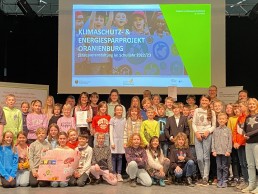
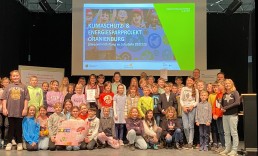
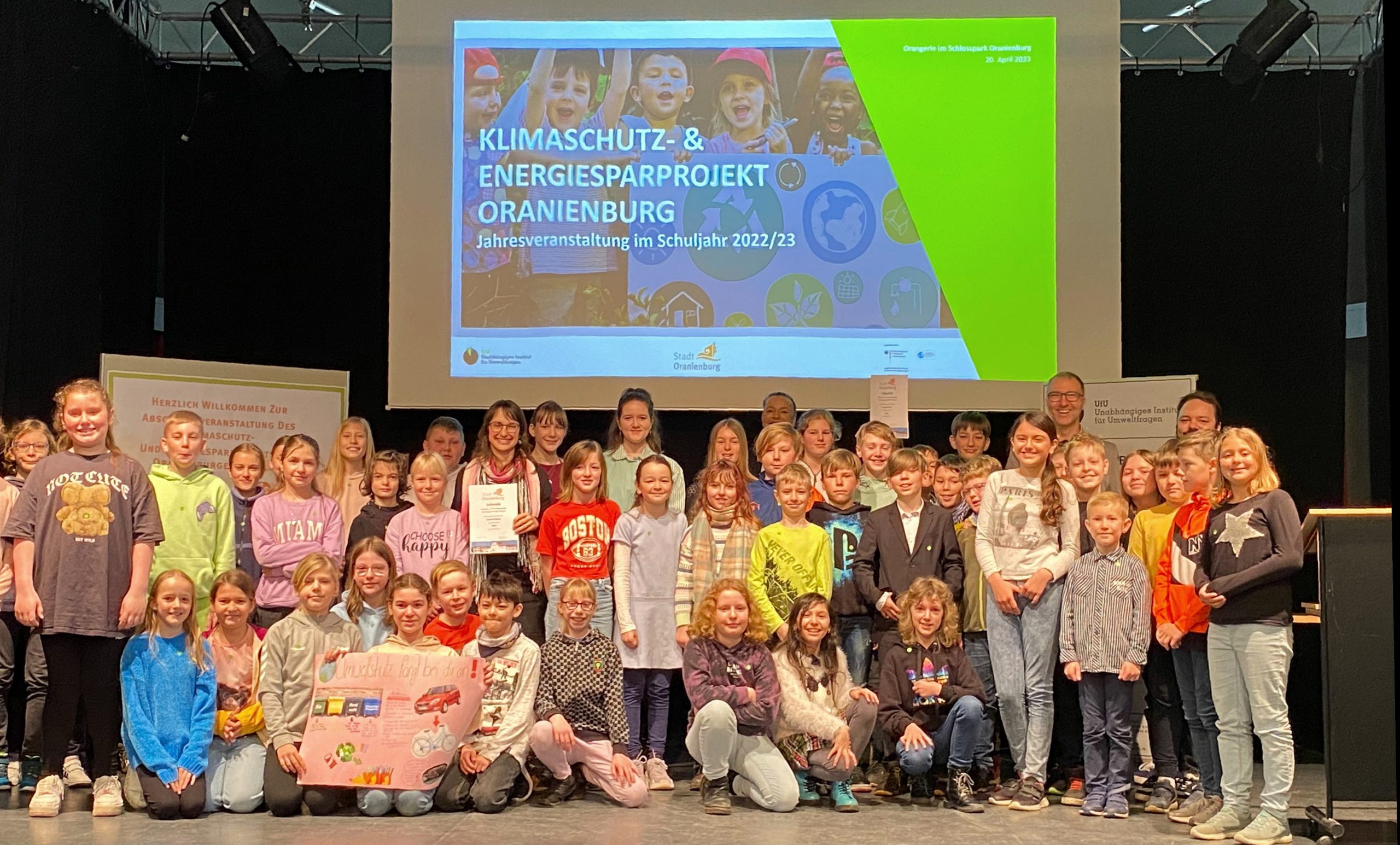
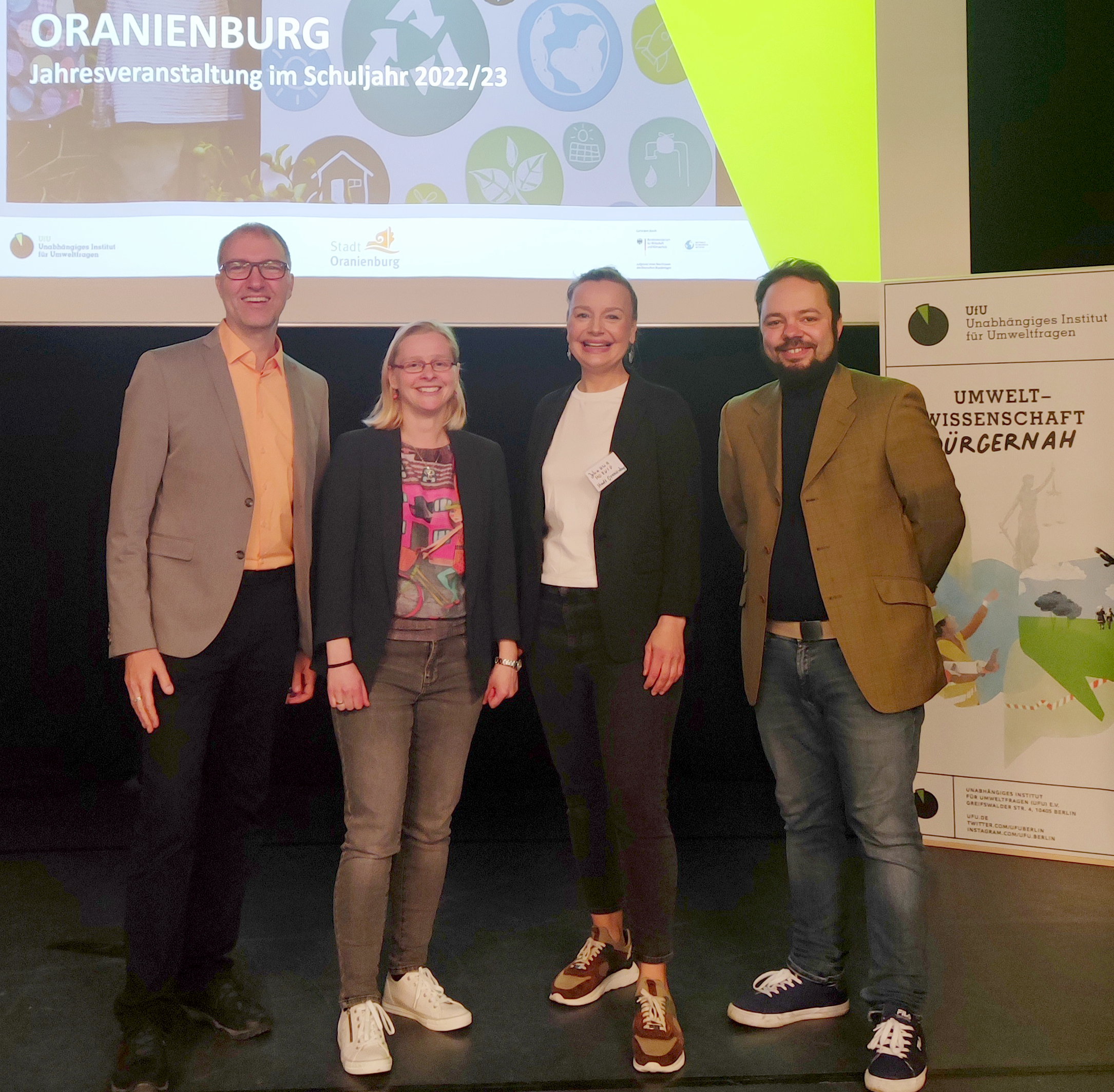
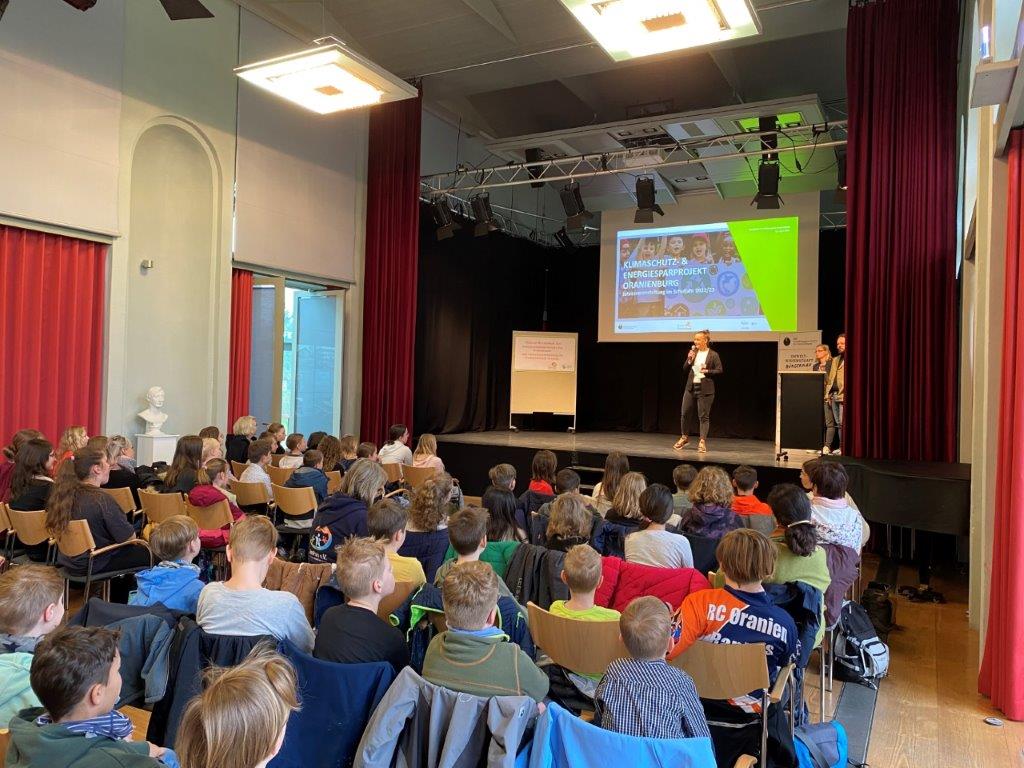
Climate protection is an important task facing cities and municipalities in Germany in particular. Germany wants to be climate-neutral by 2045 – this means that local authorities in particular need to review theircarbon footprint and take action. The town of Oranienburg wants to become climate-neutral five years earlier and has launched a climate protection and energy-saving project in seven schools in 2022, which is being carried out by the Independent Institute for Environmental Issues (UfU e.V.) and the climate protection management of the town of Oranienburg. “The project is an important milestone in Oranienburg’s efforts to achieve climate neutrality,” explained Johanna Hornig from the City of Oranienburg’s climate protection management team. “A lot still needs to happen for Oranienburg to become climate-neutral by 2040. This also includes making children and young people aware of the importance of climate protection at an early age.” Florian Kliche of the UfU department Energy Efficiency & Energy Transition and supervises numerous climate neutrality projects at the institute, including the project in Oranienburg: “Climate protection and saving energy is really fun for the kids. With their ideas, they start very different campaigns at the schools that are good for the climate, reduce the city’s energy costs and make us all independent of expensive energy imports.” When it comes to climate protection, it is worthwhile for local authorities to focus on saving energy in schools. Schools are an important multiplier for effectively implementing climate protection. On the one hand, schools are among the highest energy consumers in the category of public buildings and therefore also burden the budget coffers of municipalities with enormous energy costs; on the other hand, it is important that all citizens, including the youngest, are sensitized to the issue of climate protection. It is precisely through energy-saving projects that pupils take what they have learned home from school and the projects have a broad impact. The energy-saving projects, which UfU has been carrying out in schools for over 25 years, are a tried-and-tested combination of practical experiments and projects as well as teaching units. The pupils form energy teams, visit the heating system with janitors and carry out numerous measurements in their own school. During the school year, pupils dealt intensively with climate protection issues in subject lessons, compulsory elective lessons and working groups and developed their own ideas and solutions to save energy at the school. In this way, the pupils experience self-efficacy and are actively involved in the school’s processes. UfU supports the city of Oranienburg’s climate protection management team in implementing the project in schools. Project manager Oliver Ritter from UfU reports a positive outcome: “Schools are among the biggest consumers of public funds. At the same time, this opens up huge savings potential. We are delighted that the town of Oranienburg and the schools in Oranienburg want to continue to exploit this potential in the coming years.” On April 20, 2023, after one year of the project, a major event took place in the Orangery in Oranienburg Palace Park. Around 100 children and teachers attended the celebratory event. Pupils from seven schools were honored for their activities and projects on stage.
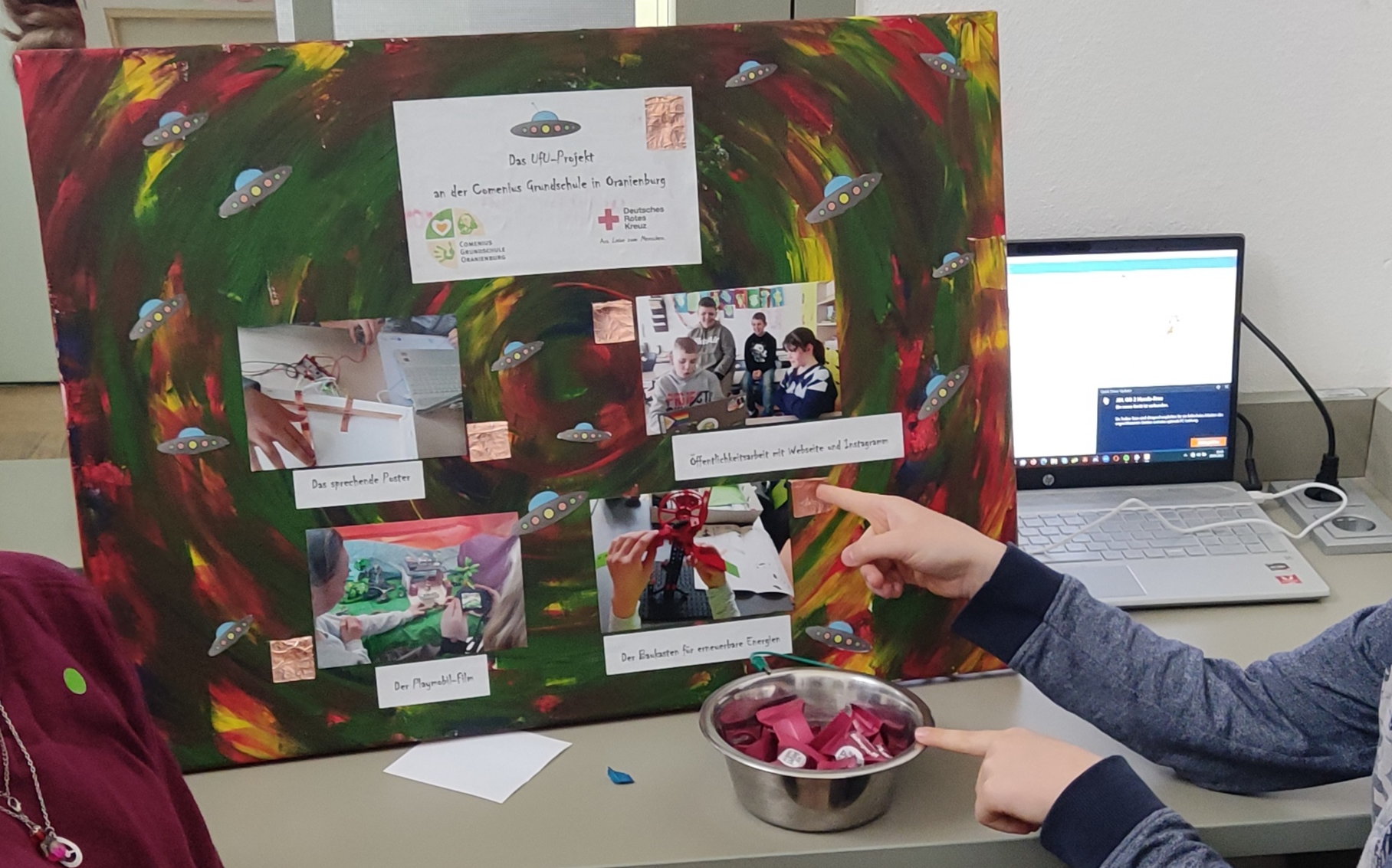
They presented self-made videos, presentations, a talking energy-saving poster and even their own climate song. The city of Oranienburg’s climate protection and energy-saving project has thus reached its first milestone after one year. The project, which is managed by UfU, will continue until 2026. “The project is a great opportunity for our schools to raise their pupils’ awareness of climate protection and energy saving,” says Oranienburg’s head of social affairs Stefanie Rose. “I am thrilled to see how committed many pupils are to the topic and how willing they are to take responsibility for climate protection.” The short presentations and performances by the school classes, which took to the stage one after the other with their teachers, were correspondingly diverse. The project, which is funded by the Federal Ministry for Economic Affairs and Climate Protection, will continue over the next few years. By the 2025/26 school year, the energy consumption of schools is to be continuously reduced and the topic of climate protection is to be anchored even more firmly in Oranienburg’s schools.

UfU expert dialog at the Berlin Energy Days - Energy monitoring of public buildings

May 09, 2023
UfU expert dialog at the Berlin Energy Days
Overcoming legal and practical hurdles in energy monitoring!
In the expert dialog at the Berlin Energy Days, we will discuss specific obstacles in municipal energy management. Particular attention will be paid to the collection of energy consumption data from public properties. The aim is to identify possible solutions for establishing consistent, seamless data collection (monitoring) at high frequency and prompt evaluation and publication (controlling) in the municipalities in future.
The expert dialog will take place on 22 May 2023 from 10.00-11.30 a.m. as part of the Berlin Energy Days. Participation is free of charge, registration is still possible under the following link:
Background
In recent years, the federal and state governments have formulated numerous ambitious climate targets and legal requirements to achieve them. The Climate Protection Act, Building Energy Act, Berlin Energy and Climate Protection Act are just some of these laws. However, these regulations not only affect private households and businesses, for example, but also the public sector itself. The numerous public properties are of particular interest to our institute in this context. Due to their special functionality and complex user behavior, public buildings and schools in particular have particularly high energy consumption and are difficult to convert into sufficient buildings. However, the building sector in particular is one of the key areas, alongside transport and energy, in which major changes need to take place in the coming years. Unfortunately, these changes are already failing in the early stages. Intensive monitoring is required in order to transform public buildings in a targeted manner and make them sufficient. The complex user behavior of the numerous different user groups – for schools, think of teaching staff, parents, pupils, administrative staff, canteen and cafeteria staff, building cleaning staff, etc. – makes it essential to identify peak consumption precisely. Although most public buildings are already equipped with smart meters, monitoring usually fails due to data protection. Even in publicly funded energy-saving projects, the necessary figures are not made available or only after extremely complex coordination.
Points to be discussed:
- Better understanding of smart meter technology:
- What technical requirements must be met?
- What role do smart meters play in the electricity system?
- How and where data is transmitted
- Understanding of administrative processes in municipalities in the area of energy management:
- Who collects the data?
- Who processes the data?
- Which legal and administrative standards are applied or serve as a basis?
- What legal restrictions can prevent data collection?
- What legal requirements must be met for external service providers to be allowed to collect and process the data?
- What standards for data collection, frequency and timeliness of data apply to municipal energy management?

Statement on the draft bill “Federal Climate Change Adaptation Act”
May 03, 2023
Statement on the draft bill of the Federal Ministry for the Environment, Nature Conservation, Nuclear Safety and Consumer Protection “Draft Federal Climate Change Adaptation Act” by the German Nature Conservation Ring (DNR) and the Independent Institute for Environmental Issues e.V.
DNR and UfU welcome the introduction of a federal Climate Adaptation Act, as a climate adaptation strategy is urgently needed in view of the global warming that has already occurred and the increase in climate and weather extremes such as heat waves, heavy precipitation, floods and droughts that can no longer be completely prevented. In order to tackle the climate crisis effectively and mitigate the growing risks to people and nature, the federal, state and local governments must work together before the window of opportunity for climate-resilient development closes. DNR and UfU welcome the approach of integrating mandatory, measurable targets into the precautionary climate adaptation strategy and defining measurable indicators for monitoring target achievement (Section 3 (1) to (3) of the draft bill). However, in order to emphasize the urgency of climate adaptation by the federal government, the deadline in Section 3 (1) of the draft bill should be brought forward by one year to 30 September 2024. The preparation of a monitoring report (Section 4 and Section 5 of the draft bill) is also welcomed. However, the ten-year cycle of the climate risk analysis should be at least halved and the damage surveys should be supplemented by the costs of biodiversity loss as well as socio-economic and social consequences.
To the entire statement:
First Climate Checks in Polish Schools
31. März 2023
First Climate Checks in Polish Schools
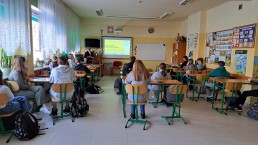
Poland has started with the first climate checks in schools in the EUKI project Visions 2045 – Schools as Drivers to Climate Neutrality in Cities. The project’s aim is to support schools in Bulgaria, Poland and Slovenia on their way to climate neutrality.
Climate neutrality in schools – Is this possible?
Climate neutrality is a rather complicated concept, especially for schools. Schools are complex systems with a lot of different user groups. Teachers, pupils, facility management, service personal, parents, coaches – they all use the building for different purposes. Therefore, it is difficult to apply the concept of climate neutrality to schools. Immediately, questions come to mind of when school starts and when it ends:
- Is the school trip included in the concept of a climate neutral school?
- Does learning material need to be climate neutral?
- If the cafeteria serves food, how do we apply climate neutrality to the concept of school food?
It is relatively clear, that those questions can not be left to be answered by teachers, whose primary job it is to teach. Therefore, schools need professional support in creating an individual action towards climate neutrality that includes the specific needs of the school, the building and the people who are using the school. The Visions 2045 project, implemented by the Independent Institute for Environmental Issues in Berlin, accompanies schools in Bulgaria, Poland and Slovenia on their way to climate neutrality.
Climate checks in schools are the beginning of the project
The start for each school is an analysis of the school’s carbon footprint. Data on heating, electricity, water use, mobility, school meals and waste will help the school community and project team to calculate the carbon footprint of each school.
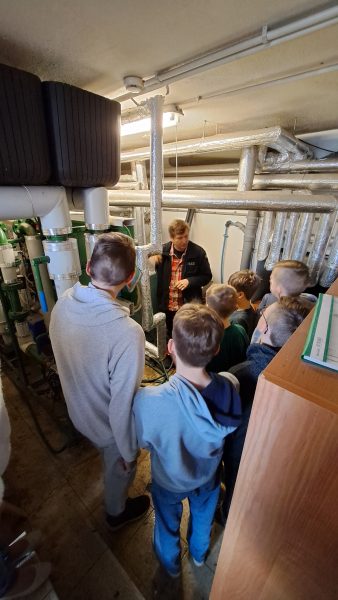
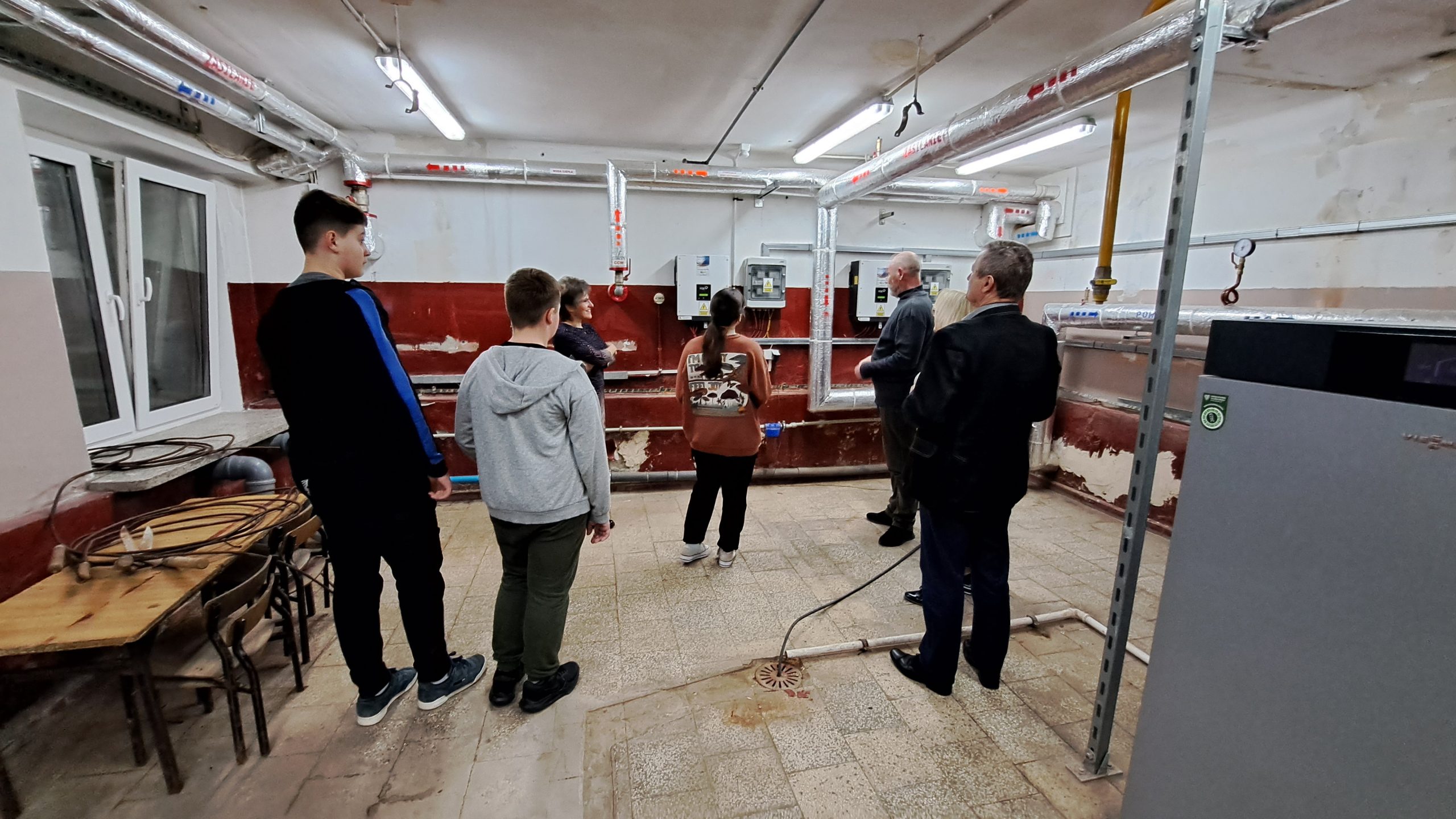
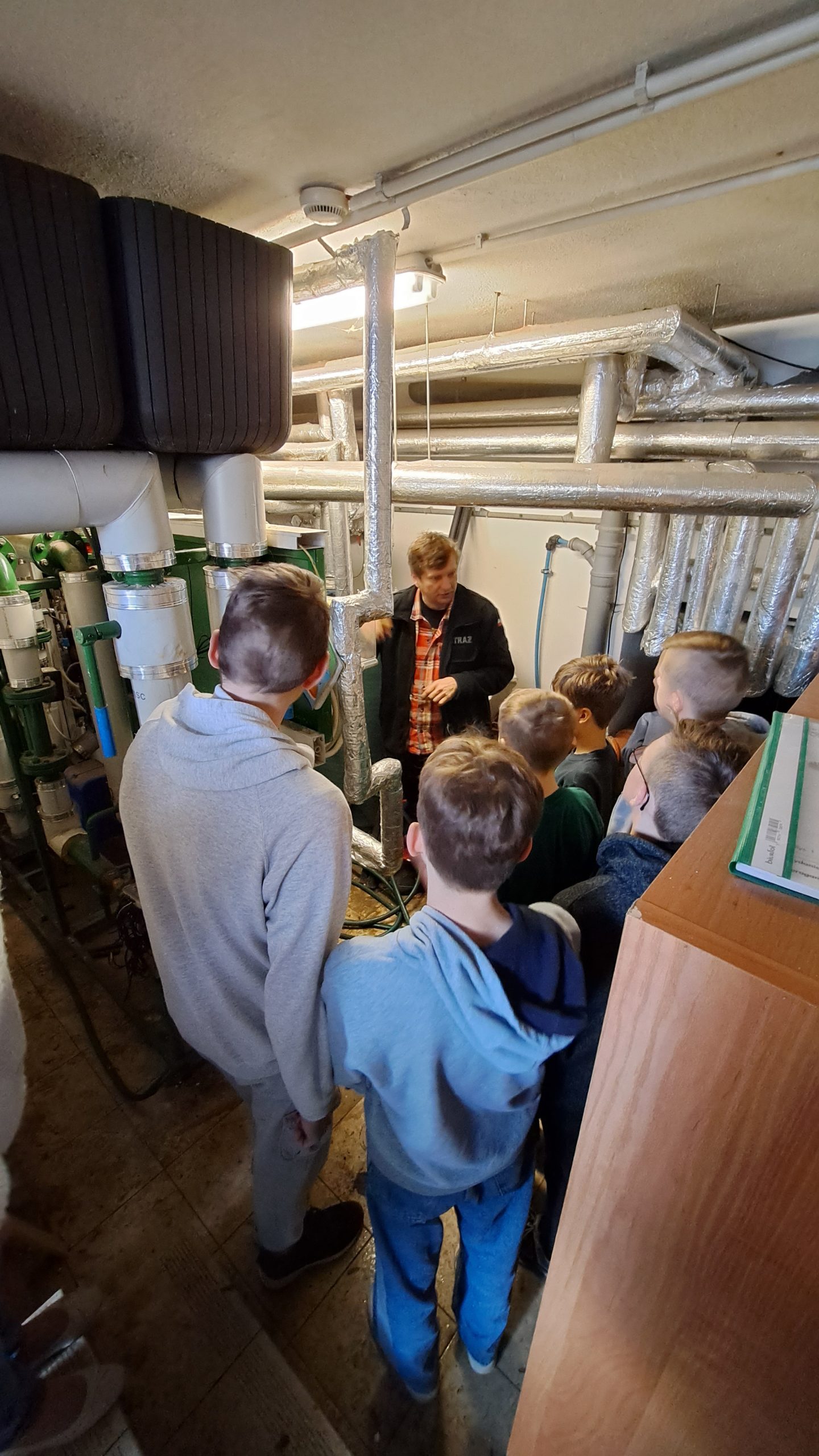
The analysis of this carbon footprint is called climate check in this project. The pupils are in included in this analysis and are therefore part of the identification of the school’s need for resources. This is especially important since the project also aims to educate children about the importance of one’s own action and its effect on the need and consumption of resources. A part of the climate check is also the inspection of the school’s heating system with the facility management. Children normally don’t have access to this part of the school. Though, this is not only important to gain a deeper understanding of the functionality of a building, but also to teach children the different kinds of energy resources and our energy grid.
Poland starts the project with the climate checks
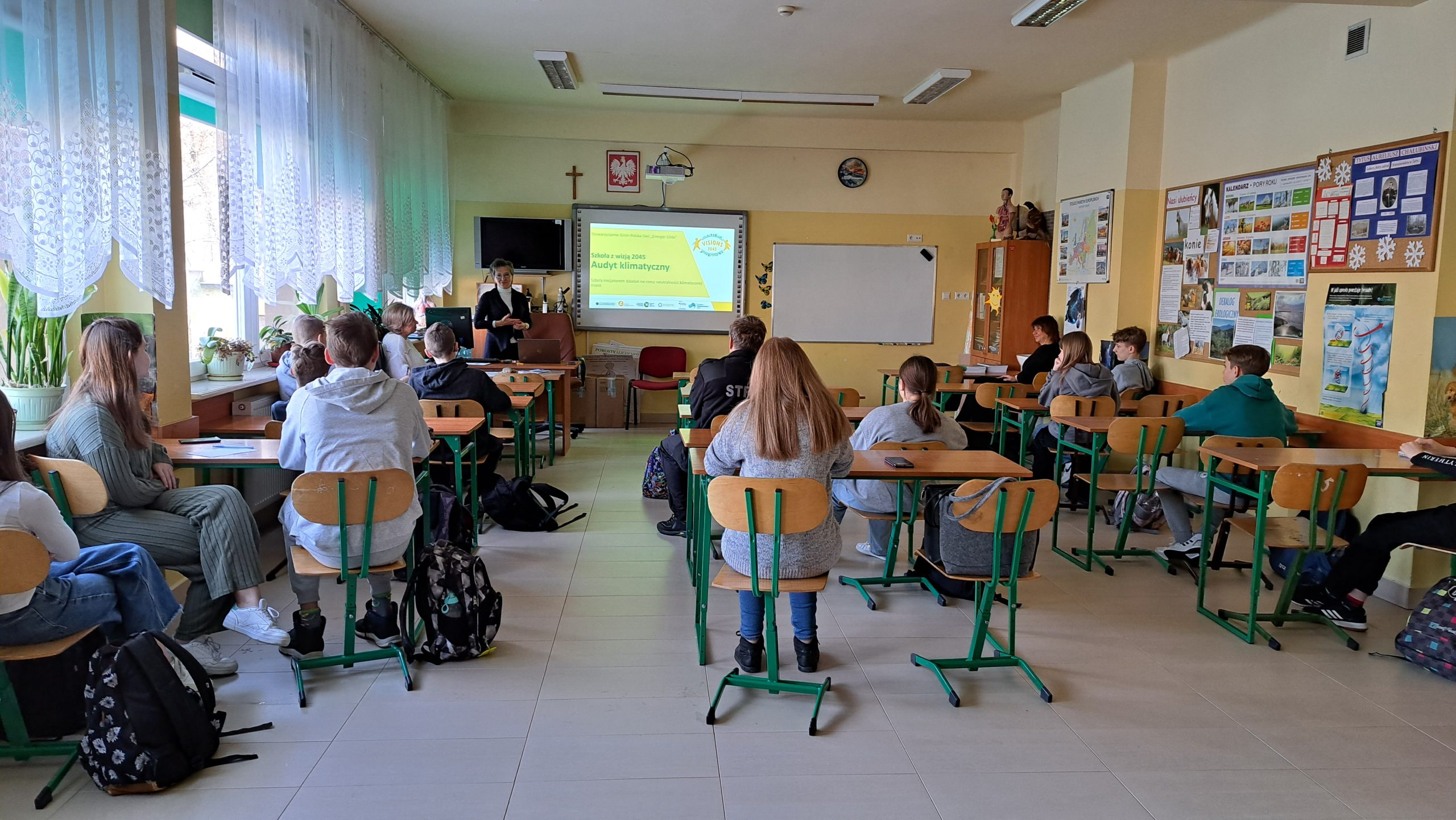
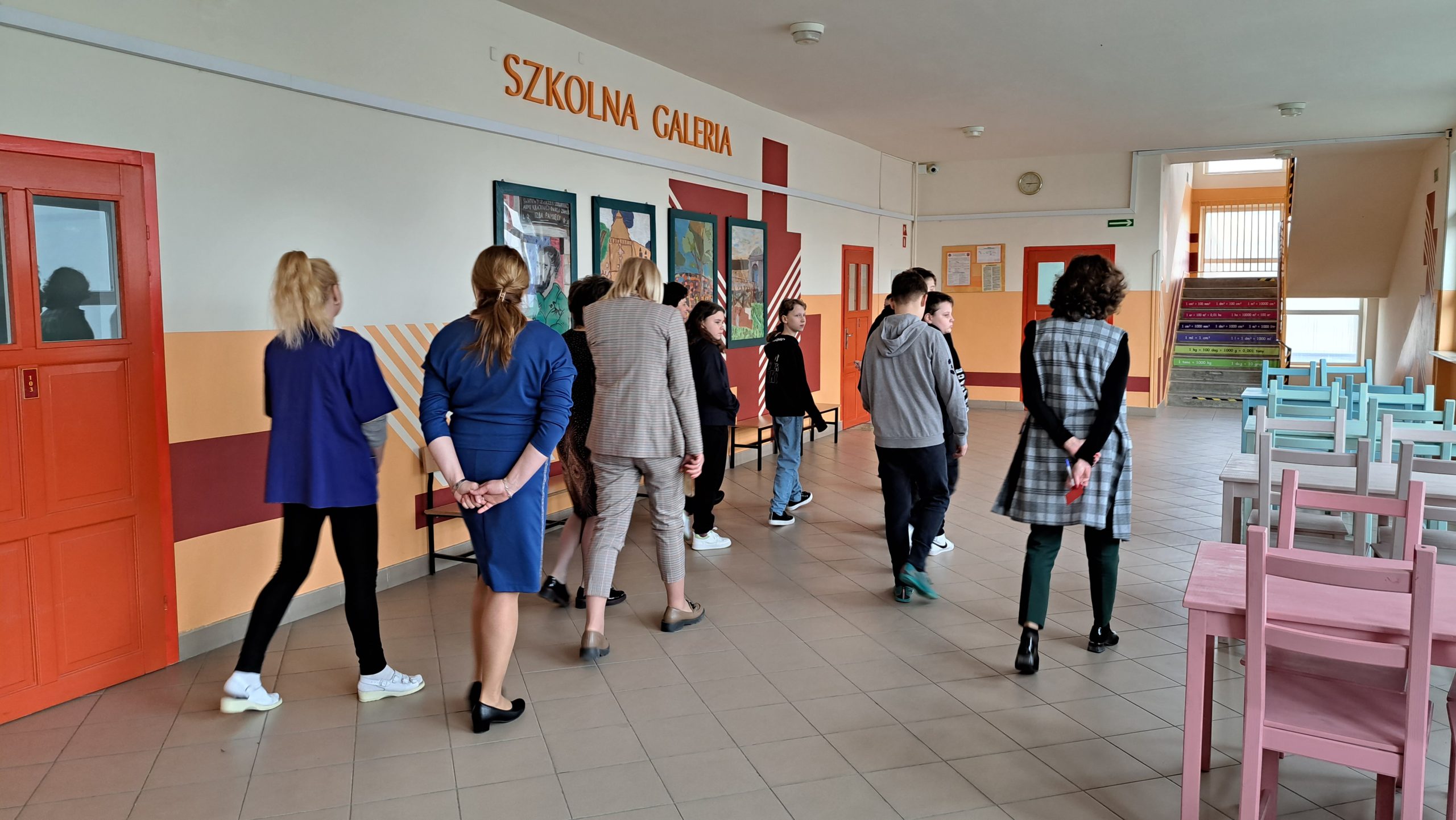
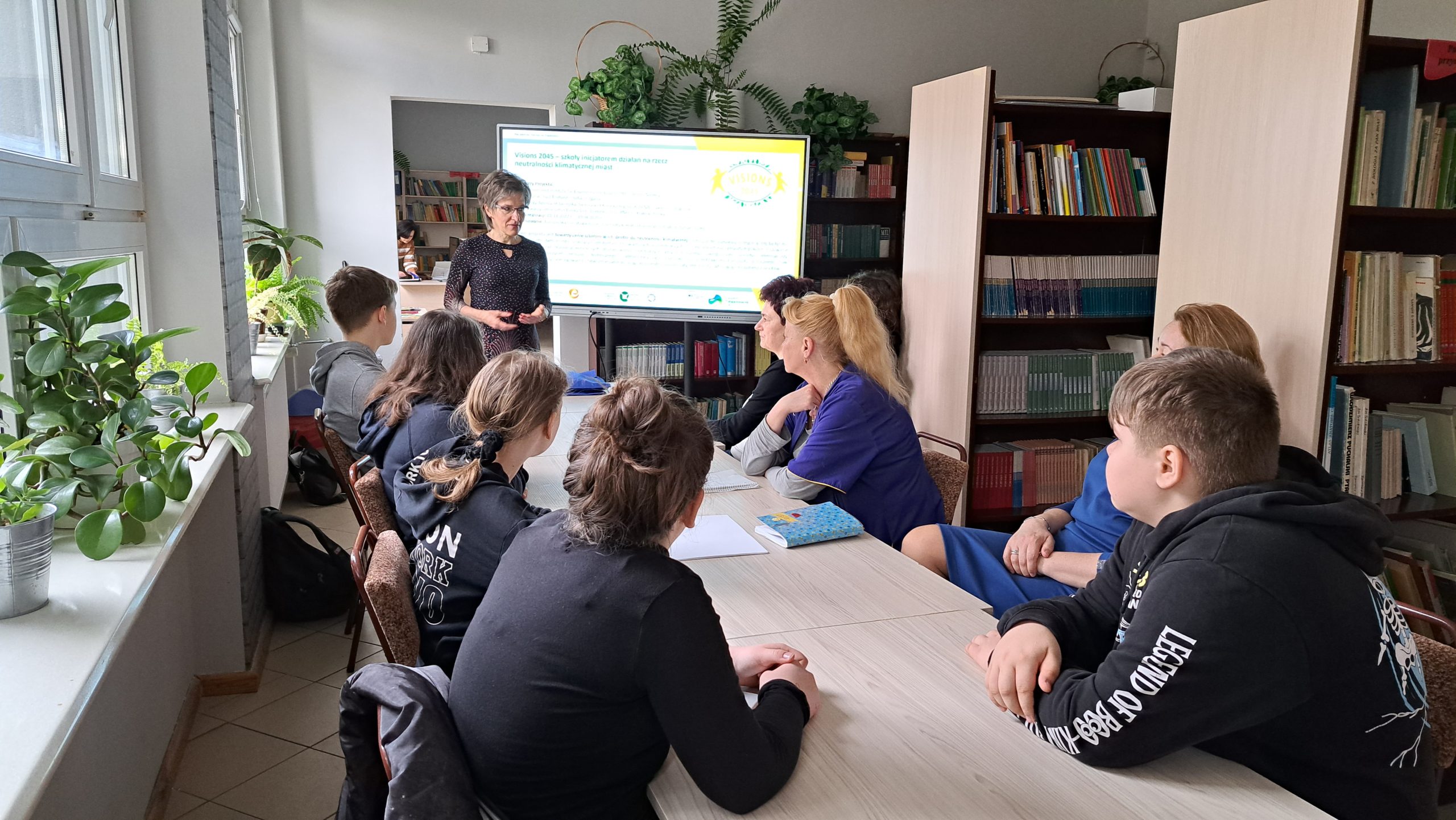
Two schools in Minsk, Poland have now officially started the project with the climate checks, conducted the Association of Municipalities Polish Network (PNEC) The schools are excited, that this is the starting point of their individual way to climate neutrality. Already, many possibilities on energy saving and reduction of resource consumption were identified during the first climate checks. The pupils raised a lot of questions and are already starting to develop about how to make the school more efficient. Posters were created and teachers discussed the ideas with the pupils during class.



Final spurt for climate protection project ideas - Berlin Climate Schools Competition

March 30, 2023
Final spurt for the Berlin climate schools
Student projects can still be submitted until the end of the school year
According to the Climate Protection Act, Berlin must become climate-neutral by 2045. A task that poses challenges not only for sectors such as transportation, gastronomy and retail, but also for the administration and, with it, the numerous public buildings in Berlin. Schools make up the largest proportion of these buildings! In 2021/2022 alone, 834 schools were in operation in Berlin. These schools will have to make a decisive contribution if the city is to achieve its climate protection targets. The “Berlin Climate Schools” competition tackles this challenge and addresses those who know their schools best: Berlin schoolchildren. In the annual competition, organized by the state of Berlin and GASAG, pupils and their teachers can submit climate protection projects and win prize money.
Energy-saving winter
Due to this year’s energy crisis, the initiators of the competition launched a special campaign, the Energy Saving Winter. By February 28, over 1,500 pupils had taken part in the campaign and submitted their energy-saving projects. In addition to the prize money to be won, which offers an incentive for pupils and their school, the competition has an educational effect above all. The pupils deal with the topic of climate change and climate protection, learn to classify current crises – such as the energy crisis – and apply these problem areas to their own environment and actions. With a lot of creativity, the children experience self-efficacy in their own actions, especially by initiating projects, from the idea to the planning to the implementation.
Teacher workshops and tutorials for the whole class
To promote climate protection projects at school, the competition offers a range of tutorials and training courses. The Independent Institute for Environmental Issues – UfU e.V. (UfU) is holding online workshops specifically for teachers that deal with the competition and support teachers in giving their pupils the right impetus to develop ideas and work independently. The workshop is recognized as further training.
Next workshop: 20.04.2023, 15:00 – 16:00, Climate protection and adaptation to climate change
UfU also offers a series of face-to-face sessions for the entire school class. From elementary school to secondary level 2, UfU has prepared material to help pupils develop ideas and identify their own options for action. Important questions such as “Can I change the world as a human being?” and “What are the effects of the climate crisis?” are also addressed.
UfU has over 25 years of experience in working in schools and, in addition to numerous energy-saving projects throughout Germany, also carries out numerous teacher training courses, climate neutrality projects in schools and pilot projects in connection with green facades and energy cycles in schools. Marlies Bock is responsible for the department at the institute.
More protection for environmental defenders - UN Special Rapporteur visits UfU
09. March 2023
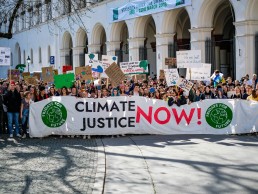
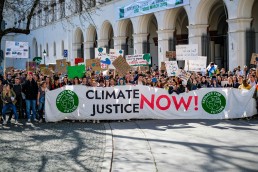
Environmental activists need better protection – UN Special Rapporteur on Environmental Defenders discusses the situation for environmental activists in Germany and the world with UfU and activists.
Environmental defenders polarize. Anyone who does research on climate protection, protests for change in public, works on a voluntary or full-time basis on climate change, is also voicing criticism of the system we have had up to now. For climate and environmental protection cannot do without debates about fundamental changes in behaviour and systems. However, the people who voice theses issues see themselves exposed to increasing aggression worldwide. In its report “Decade of defiance – Ten years of reporting land and environmental activism worldwide”, the NGO Global Witness reports 200 murders of environmental activists in 2021[1], most of them in Mexico, Colombia and Brazil.
But also in Germany and Europe, environmental activists are facing increasing pressure. From open violence on the streets and tougher police action, comparisons with terrorist organizations in politics, to targeted defamation campaigns against scientists[2] and withdrawal of non-profit status – the tone is getting harsher and civil society is experiencing an increasing restriction of its space. Today, anyone who publicly campaigns for the environment has to reckon with numerous attacks against their own person and family in public and on the internet. Female activists, as shown by the recently won trial of Fridays for Future Germany activist Louisa Neubauer against Akif Pirinçci[3], also experience a lot of sexualized hatred, humiliation and violence.
As polarising as protests and actions by environmental activists may be, it is often ignored that, unless otherwise documented, environmentalists exercise fundamental rights to free research, free expression and assembly in the course of their activities. Those who engage in research or protest for environmental protection and nature conservation should not have to fear hate speech, defamation, violence or murder.
The United Nations, or more precisely the United Nations Economic Commission for Europe (UNECE), also views this in the same way. The parties to the Aarhus Convention have decided to appoint a Special Rapporteur on Environmental Defenders to analyse the situation and provide assistance to environmental defenders under threat in specific cases. Dr. Michel Forst, former UN Special Rapporteur on the situation of human rights defenders, was elected in July 2021.
On his inaugural visit to Germany as the first UN Special Rapporteur on environmental protection, Dr. Forst met with various environmental organizations and activists at UfU headquarters on 7 March 2023 to get a first impression of the situation in Germany. Representatives of Letzte Generation, NABU, BUND, Green Legal Impact and UfU reported on civil society engagement in Germany and the current situation.
Dr. Forst emphasized that during his mandate he would strive to improve the network between environmental organizations and human rights organizations and to provide a contact point for threatened environmentalists. This is made possible, among other things, by the fact that people can contact the Special Rapporteur directly online. If environmentalists contact the mandate with concrete allegations of repression, these cases are investigated and, if necessary, diplomatic steps are initiated after appropriate examination. With the help of publicly accessible reports, among other things, pressure is to be exerted on actors such as companies and governments to uphold the rights of environmentalists. If there is a concrete danger to the life and physical well-being of environmentalists, the mandate can also intervene directly in the countries and send delegations.
Civil disobedience will also play a role in Dr. Forst’s future work. The mandate aims to investigate the various new groupings working with civil disobedience and to record what legal implications the protesters in the various treaty countries expect from their forms of protest. Other points of focus for Dr. Forst are mentioned in the UNECE communication: UN Special Rapporteur on Environmental Defenders presents his vision for mandate to ensure protection under the Aarhus Convention.
UfU very much welcomes the appointment of Dr. Forst. Environmentalists must be protected more strongly worldwide. Even if Germany and Europe, with their numerous large and influential environmental associations, will not be the focus of the Special Rapporteur and should not be, in view of other trouble spots, we are also observing an increasing restriction of civil society here. One example of this is the recurring attempt to curtail the participation rights of citizens in new acceleration debates. Germany must set a good example for the world in protecting democratic values and rights and do everything to ensure that people can exercise their right to demonstrate, research, report and protest without being exposed to hatred, defamation and violence.
About the Aarhus Convention
The UNECE is the administrative headquarters of the so-called Aarhus Convention. The Aarhus Convention has been ratified by 47 Parties, including the European Union and all EU Member States, and is the first treaty under international law to give every person rights in environmental protection. The three main pillars of the Aarhus Convention are the right of public access to information on the environment, the right to participate in environmental matters and the right of access to justice in environmental matters. The Convention also obliges Parties to ensure that persons are not punished, persecuted or harassed in any way for exercising their rights under the Convention. The new Special Rapporteur is to monitor this in future and ensure that civil society can exercise these rights without hindrance.
[1] Hine (2022), Decade of Defiance – Ten years of reporting environmental activism worldwide.
[2] Jung & Naiv (2023), Energie-Ökonomin Claudia Kemfert (DIW) über System-Change – Jung und Naiv: Folge 629
[3] Hoppenstedt (2020), Was über mich geschrieben wird, ist schon krass, Spiegel-Interview mit Louisa Neubauer
Solutions to deal with soil contamination in Vietnam‘s recycling villages

06. March 2023
Many people link soil contamination and Vietnam first and foremost to the environmental and health impacts of Agent Orange use by American troops during the Vietnam War. However, apart from this special case, it is in Vietnam mostly the contamination caused by so-called recycling villages that has a particularly harmful effect on people and the environment. The processing of scrap metals for the production of steel that taking place in these sites often leads to the entry of heavy metals into the soil and (ground) water. Because recycling villages are still widespread in Vietnam, many people and large areas are potentially affected by them.
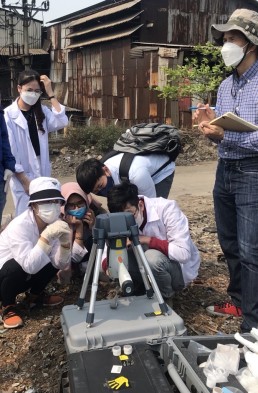
In Bắc Ninh province, Châu Khê village has been identified as a high risk source of contamination. In early March 2023, the CapaViet3 project team was on site to conduct further measurements and analyses together with Vietnamese experts, and to discuss solutions to protect residents, workers and the environment with local authorities.
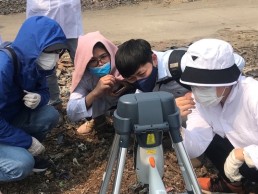
The team was supported by 25 experts of environmental analysis from different Vietnamese provinces. They were trained by Prof. Dr. Tim Mansfeldt from the University of Cologne and the UfU team in the use of on-site analysis equipment for heavy metal detection in soils, and examined the waste and slag deposited around the village as part of their practical training.
With mobile x-ray spectrometers, samples could be analyzed directly at the illegal waste dump and in the laboratory. In addition to already known contaminants, a high concentration of lead was identified – a pollutant that is particularly dangerous to the health of children.
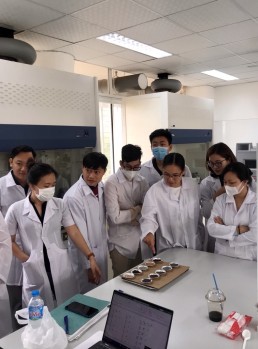
These worrying findings show once again how important it is that responsible authorities develop viable and feasible concepts to manage contamination and to secure recycling villages. A first step on the way to a remediation plan for Châu Khê was therefore the remediation workshop conducted by the CapaViet3 project at the 27th and 28th of February 2023. Representatives of environmental, financial and industrial authorities jointly discussed the existing challenges and talked about possible solutions. A presentation of possible remediation technologies is now followed by a prioritization and further elaboration of suitable measures.
The results of the workshops and, above all, the methodology for developing a suitable remediation plan will also be made available to other provinces in Vietnam. This supports public authorities in other provinces –in the management of contamination risks emanating from recycling villages and thus in the protection of the environment and public health.
UfU publishes statement with DNR on the draft law on representative actions

March 03, 2023
Statement on the draft bill of the Federal Ministry of Justice “Draft Act implementing Directive (EU) 2020/1828 on representative actions for the protection of the collective interests of consumers and repealing Directive 2009/22/EC” of the German Nature Conservation Ring (DNR) and the Independent Institute for Environmental Issues (Unabhängiges Institut für Umweltfragen e.V.)
The Federal Ministry of Justice publishes a “Draft law on the implementation of Directive (EU) 2020/1828 on representative actions for the protection of the collective interests of consumers and repealing Directive 2009/22/EC”. UfU comments on this draft in the current paper.
Summary:
The extension of the rights of associations to bring actions is generally a welcome step towards strengthening consumer rights before the courts. However, the mandate-based approach to redress actions pursued in the draft law implementing the Directive on representative actions clearly fails to achieve the Directive’s objective of implementing an effective representative action procedure for redress decisions at national level. The draft imposes excessively high admissibility hurdles. The scope of application of the redress action is not sufficiently defined and the group of persons entitled to bring an action is too narrow. The filing of claims prior to the issuance of the basic remedy judgment with a quorum of 50 consumers is inappropriate in connection with the lack of legally secure litigation funding. Massive obstacles to representative actions are therefore to be expected. The draft bill falls far short of the existing possibilities to improve consumers’ access to justice and at the same time significantly reduce the burden on the courts.
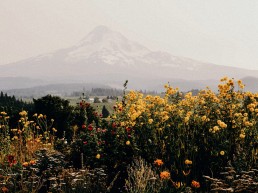
International Day for the Conservation of Biodiversity - It won't work without biodiversity!
March 03, 2023
International Day for the Conservation of Biodiversity – It won’t work without biodiversity!
Scientists estimate that there are around 8.7 million different species on Earth. Most of these species have not yet been discovered. Around 1.8 million species have been described by scientists to date. Around 330,000 are plant species, the largest proportion is made up of around 1.4 million animal species and 140,000 are fungi[1]. This means that most species and their potentially important roles in the Earth’s ecosystem are unknown to us. What we do know, however, is that of the estimated 8.7 million species worldwide, almost one million species are threatened with extinction, many of them in the near future[2]. The main cause: humans. For this reason, species conservation is one of the most important issues of our time.
What is biodiversity?
The term biodiversity describes the sum of the different species of plants, animals, fungi and microorganisms within a habitat. The world contains different ecosystems that are interconnected and influence each other. Examples of these ecosystems are the oceans, forests, savannahs, steppes, moorlands, etc. Within the ecosystems, the individual species take on different roles and form a delicate cycle. The species serve as a source of food for other species, produce oxygen, clean the soil, air and water or fulfill other functions that other species need to survive. The different species provide us humans with food, medicines, raw materials and serve as carbon reservoirs, among other things. If species die out in an ecosystem, the cycles are disrupted and can even collapse if the gaps are too large.
Human influence
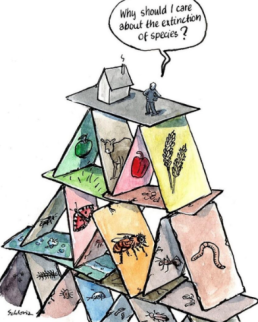
The entire prosperity of mankind is built on the different species and their functions in the ecosystem. Similar to a house of cards, the species perform important functions, mostly serving as a resource and thus contributing to our survival and our current civilization. However, this use of natural resources by humans has long exceeded any limits; the earth and its ecosystems cannot renew themselves to the extent that we exploit them. Around 150 species become extinct every day, and the trend is rising, resulting in a general decline in biodiversity. The destruction of habitats, the overexploitation of resources, the introduction of invasive alien species, air and water pollution and climate change are the most important factors here. The house of cards is threatening to collapse.
Invasive species and their significance for biodiversity
Time and again, so-called alien species are found in ecosystems in which they are not actually native. These species are called neobiota. At first glance, their arrival in an ecosystem sounds like an enrichment of biodiversity. In some cases, this may be true. However, many non-native species tend to have a detrimental effect on their environment and biodiversity, which is why these species are referred to as invasive neobiota. However, the most common cause of the occurrence of invasive species is the intentional or accidental introduction by humans. This means that invasive alien species overcome natural barriers. The foreign ecosystems are often defenceless against them due to the lack of natural enemies. The occurrence of invasive species in ecosystems is also favored in many cases by climate change. Changing temperatures also change ecosystems and thus offer alien species a basis for life that was not there before. Once they have invaded an ecosystem, invasive species can act as strong competitors or predators of native species. They can introduce parasites and pathogens to which they themselves are immune, but against which native species have no resistance. This displaces native species or greatly reduces their population, which can have a negative impact on the entire food chain and the ecosystem. If, for example, an animal or plant is missing from the food chain at any point in the ecosystem, the next species is also endangered; a chain reaction occurs. The World Biodiversity Council (IPBES) describes the “invasion of alien species” as one of five “direct drivers” of global species extinction. The European pond turtle, the only turtle species that still occurs naturally in Central Europe, is on the brink of extinction. Catching and trade as well as the destruction of their habitats are steadily reducing their population. Since the introduction of the raccoon from North America into regions that are not native to it, it has also been eating the pond turtles. It can simply pull its head and limbs out of the shell openings with its claws. In up to 80% of the pond turtles examined, injuries of this kind are found that were never observed before the raccoons appeared (NABU). Considerable economic damage can also be attributed to invasive species. The raccoons from Europe that moved to Australia in the middle of the 19th century multiplied rapidly in a very short time, destroying the native plants there and causing up to 200 million dollars in agricultural damage every year since then.
UfU focus on invasive species
UfU has been running numerous projects on the topic of invasive species for years, mainly in Saxony-Anhalt, but also in Berlin since last year. UfU has become a specialist in this field and is constantly finding new ways to advance research through innovative approaches. UfU is currently developing a strategy to combat invasive species for the state of Berlin, which aims to optimize official structures and processes so that action can be taken quickly and effectively against the spread of invasive species. In the IGAMon-Dog (Invasive Alien Species Monitoring Dogs) project, domestic dogs are included in species protection. Dog owners and their four-legged friends are trained as species detection dog teams. Thanks to their sensitive nose, dogs are ideal for sniffing out animal and plant species. In the project, the dogs learn to indicate when they discover such an invasive plant species on a walk in their surroundings. The KORINA website and app developed by UfU can be used to report the dogs’ findings and all other discoveries of invasive plant species by photo and location information. The data is regularly checked by biologists at UfU. The project and the app are to be expanded to include invasive animals in the future. The aim is to collect comprehensive data on all invasive species throughout Germany by involving citizens (citizen science). In this way, citizens can support and supplement the scientific studies and thus make an important and major contribution to species conservation.
What can private individuals do against invasive species?
There are a number of things that private individuals can do to prevent the introduction or spread of an invasive alien species:
- Find out about invasive species on the usual websites[3]
- Keep your eyes open when you are out and about in nature. Use your cell phone and the KORINA app[4] or the species finder from the Stiftung Naturschutz[5] to report invasive plants and animals.
- If you have a garden or similar, only plant native species. Garden centers should be able to help you with this.
- Do not bring any plants (seeds) or animals home from your vacation
- Clean your sports and vacation equipment (e.g. tent, SUP board, hiking boots) thoroughly before you use it again.
- Only throw garbage and food scraps in the garbage cans provided for this purpose in the city and in the countryside. Food scraps attract animals. Raccoons in particular are spreading faster and faster as a result, even in urban areas.
- Do not feed or pick up wild animals. Find out beforehand what is allowed and what is not.
[1] Federal Agency for Nature Conservation (BfN) [2] IPBES [3] Korina, Senate Department, Foundation for Nature Conservation Invasive Species Berlin brochure, EU regulation on invasive species [4] APP KORINA [5] APP Species Finder

Climate protection and energy project at Oranienburg schools for the 2022/23 school year

December 16, 2022
Climate protection and energy project launched at Oranienburg schools for the 2022/23 school year
Just in time for the start of the heating period in the 2022/23 school year, the 3-year climate protection and energy project at Oranienburg schools is starting at 9 participating institutions. Berlin’s large northern neighbor is thus sending an important signal at the right time to make schools fit for a long energy-saving winter with educational activities and technical optimization measures. In addition, the schools have the opportunity to gain practical, everyday energy-saving knowledge through knowledge transfer as part of the pupil workshops, janitor and teacher training courses and thus initiate a more sustainable future. Following a decision by the city council in 2021, the project aims to better anchor the relevance of climate protection and energy issues for society as a whole in internal school processes and curricula and to communicate this to the general public. The city of Oranienburg’s climate protection management team, which coordinates and implements the city’s cross-sectoral climate neutrality strategy in consultation with the departments involved, is in charge of planning and implementation. The school project is part of this strategy, which focuses not only on schools and daycare centers, but also on the energy supply for administrative buildings, private households and businesses, as well as the traffic situation and waste and resource management. The project is therefore an important step on the road to climate-neutral administration and urban society. In addition to the original motivation from the schools to focus more strongly on sustainability issues, a bonus model will also serve as an incentive system.
Participating institutions:
- Comenius Primary School
- Havel School Primary School
- Forest School Primary School
- Friedrichsthal elementary school
- Germendorf elementary school
- Elementary school “Friedrich-Wolf” Lehnitz
- Sachsenhausen elementary school
- Neddermeyer Primary School Schmachtenhagen
- Jean Clermont School
Project process
Coordination between the climate protection manager of the city of Oranienburg and UfU regarding scheduling and scheduling, specification of the content and methods as well as the participating schools already took place in the past school year 2021/22. At the beginning of the 2022/23 school year, all schools were then informed about the start of the project, while preparations were made at the same time so that the actual kick-off dates, energy tours and student workshops could begin on time after the fall vacations.
Goals
- Initiating and supporting teaching projects that aim to increase the energy awareness of pupils, children, teachers, educators and janitors
- Initiating educational projects on the subject of energy and energy saving in daycare centers and after-school care centers
- Making the need for climate protection understandable
- Identifying potential energy savings
- Technical energy-saving optimizations
Further components are
- Technical energy advice on site
- Janitor training
- Teacher training
- Festive annual event
Contact
Oliver Ritter Duration
09/2022 – 08/2025